How to Transport Plywood Safely: Loading, Strapping and Edge Care
Transport plywood flat or firmly braced, with edges padded and the load strapped so 8x4 sheets cannot slide, and wrap it against rain, since monsoon humidity above 70% can cause delamination. See vehicle choice, loading order, securing, unloading and what damage costs.
Last updated: . Grades and standards checked against current BIS standards.
Why Do Plywood Sheets Get Damaged in Transit?
Plywood sheets, typically measuring 8x4 feet or 6x4 feet in India, consist of layered veneers glued under pressure. These layers make plywood strong for construction but susceptible to transit stresses. Edges can chip from impacts, surfaces scratch against rough surfaces, and moisture exposure leads to delamination—especially in India's humid climate where relative humidity often exceeds 70% during monsoons. For contractors hauling from Kerala dealers to Mumbai sites or homeowners transporting small bundles from local timber markets, improper handling results in warped sheets, reduced resale value, or outright rejection at the destination.
Damage often stems from dynamic forces: vibration on pothole-ridden highways like NH44, sudden braking in urban traffic, or rain infiltration. A single compromised sheet cascades costs—replacements, delays in shuttering or furniture assembly. Safe transport preserves structural integrity, aligning with ISI standards like IS 303 for MR, BWR and BWP grades or IS 710 for marine plywood, where edge protection maintains boil-water resistance ratings.
Pre-Transport Preparation: Inspect and Protect
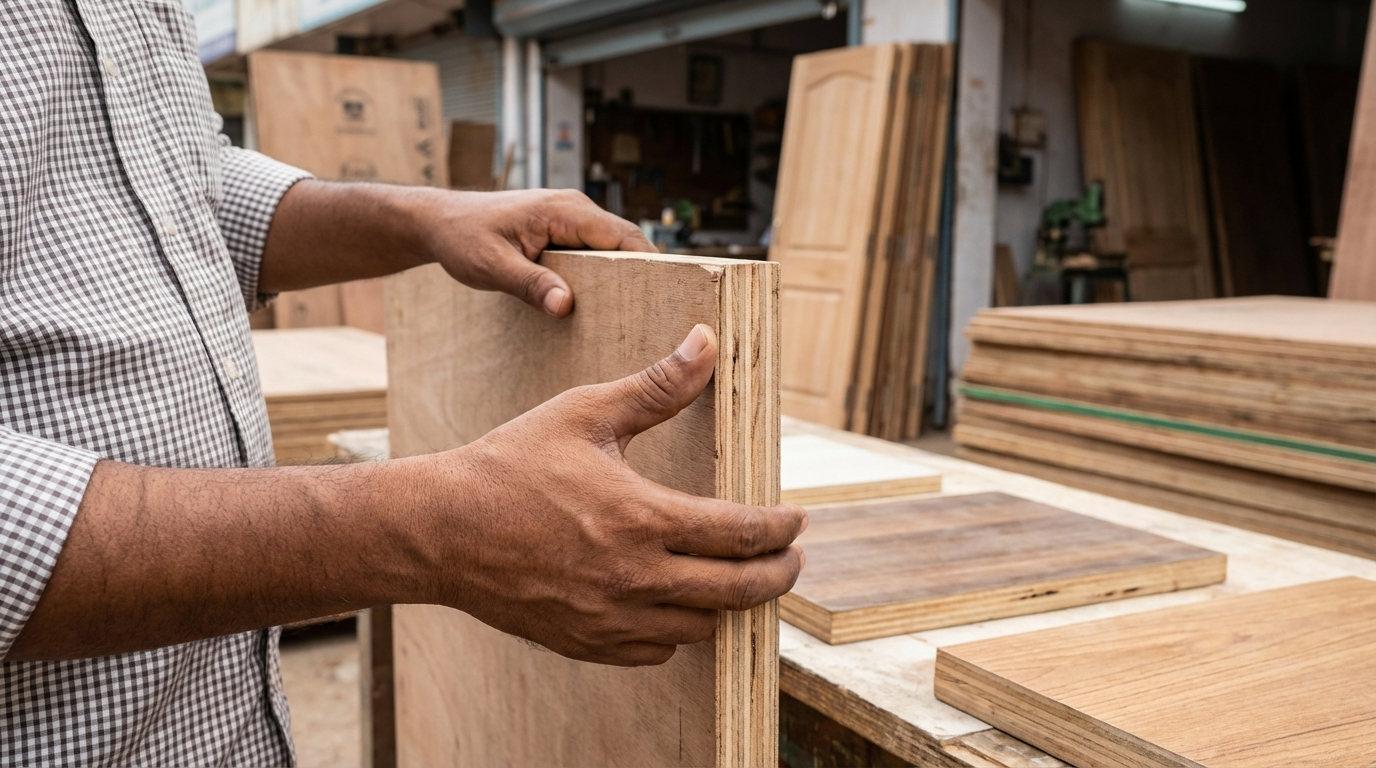
Before loading, assess sheets at the dealer yard or warehouse. Check for pre-existing defects: edge dings from forklifts, surface dents, or veneer lifts. In India's dealer ecosystem, where stacks sit exposed outdoors, select from middle layers to avoid weathered top sheets.
- Count and measure bundles to match vehicle capacity—overloading risks collapse.
- Cover with tarpaulin preemptively; uncoated MR plywood absorbs moisture rapidly, swelling up to 10-15% in transit.
- Label bundles by grade (BWR for interiors, BWP for exteriors) to prioritize protection for higher-value stock.
For bulk hauls common among Tamil Nadu contractors, wrap edges in 2-4 mil polyethylene film. This low-cost step (under Rs 50 per sheet equivalent) prevents abrasion during stacking.
Selecting the Appropriate Vehicle for Indian Roads
India's transport landscape demands vehicle choice based on distance, sheet count, and route roughness. Small loads (10-20 sheets) suit Tata Ace or Eicher Pro 2075 tempos; larger contractor volumes (100+ sheets) require 10-20 ton trucks like Ashok Leyland Ecomet.
| Load Size | Recommended Vehicle | Key Considerations | Capacity (Sheets, 18mm thick) |
|---|---|---|---|
| 1-20 sheets | Pickup/Tempo (e.g., Mahindra Bolero Pik-Up) | Maneuverable in city traffic; flatbed for easy access | 20-40 |
| 20-100 sheets | Medium truck (Eicher Pro 2049) | Side rails for strapping; enclosed optional for rain | 100-200 |
| 100+ sheets | Heavy truck/trailer (BharatBenz 2823) | Full sideboards; crane for loading | 500+ |
Avoid open jeeps for long hauls—vibration amplifies edge stress. Ensure flatbeds have non-slip surfaces; rusty beds scratch finishes like laminates on HDHMR.
Mastering Loading Techniques to Minimize Breakage
Stacking Order and Weight Distribution
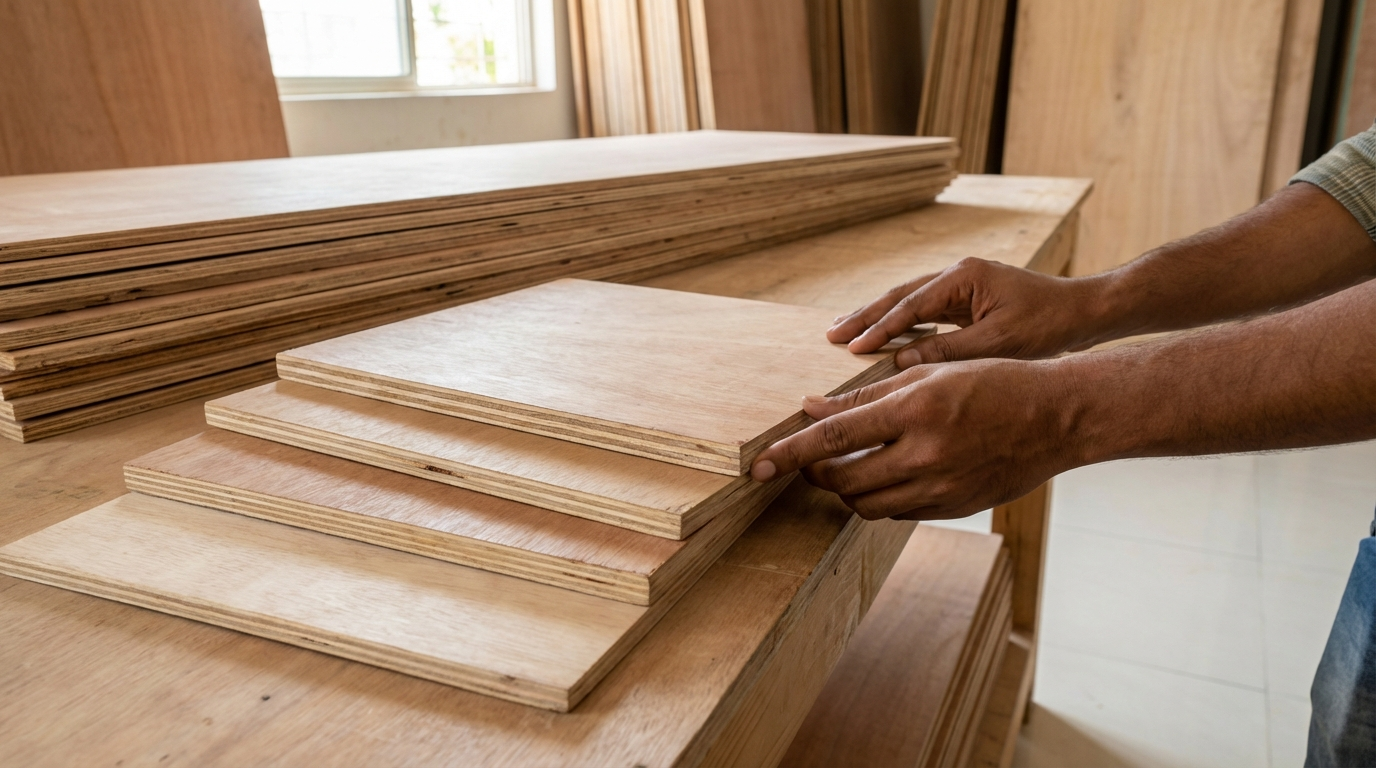
Load heaviest sheets (18-25mm thick) at the bottom, progressing to thinner ones atop. Uneven stacks shift during turns, crushing lower edges. In India, where trucks navigate sharp bends on ghat roads, aim for 1.5-2m stack height max—beyond this, center-of-gravity rises, risking topple.
Distribute weight evenly fore-aft: 60% over rear axle for stability. Use spacers (50x50mm wooden battens) every 1m along length to allow air circulation, curbing moisture trap in humid transits like Chennai to Hyderabad.
Sheet Orientation: Vertical vs Flat
Flat stacking suits most scenarios but increases footprint. For space efficiency in tempos, stand sheets on edge (90 degrees), banded in groups of 8-10. This method halves space but demands rigid framing to prevent bowing.
- Flat: Ideal for smooth highways; protects face veneers.
- Vertical: For narrow vehicles; brace with cross-members to counter lateral sway.
Test stability by pushing the stack—minimal movement indicates readiness.
Securing the Load: Straps, Ropes, and Bracing
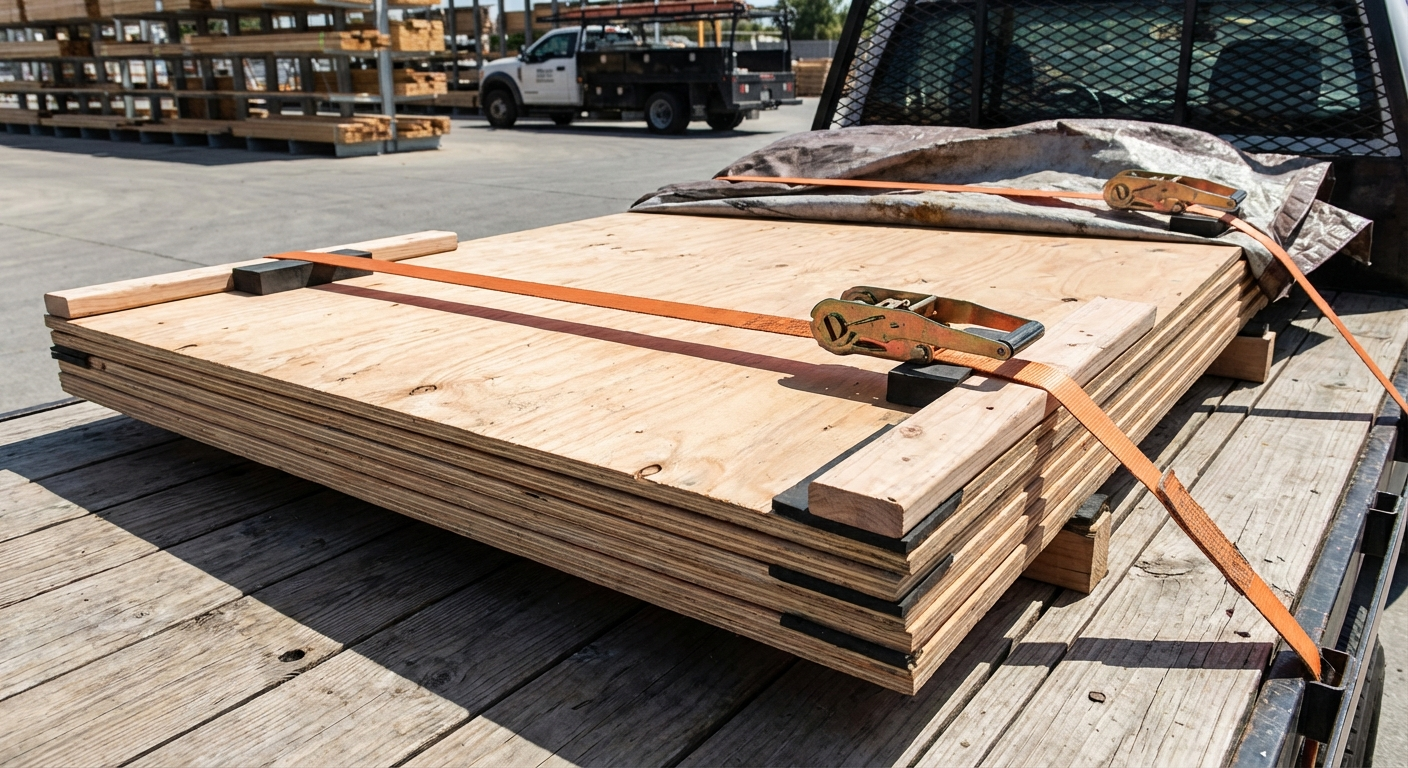
Movement causes 70% of transit damage. Use ratchet straps over ropes—nylon straps (2-3 inch wide, 5000kg breaking strength) conform better, costing Rs 300-500 per set.
| Method | Pros | Cons | Best For |
|---|---|---|---|
| Ratchet Straps (4-6 points) | Adjustable tension; quick release | Higher upfront cost | Long-haul trucks |
| Poly Ropes + Knots (double figure-8) | Cheap (Rs 20/m); flexible | Slips if wet; hard to tension | Short urban trips |
| Overhead Netting | Full coverage; wind-resistant | Bulky storage | Monsoon-exposed loads |
Anchorage points: Secure to vehicle D-rings or hooks, never cab roof. Cross-strapping (X-pattern) counters shear forces on corners. For vertical stacks, add vertical braces—2x4 timber poles lashed at 45 degrees.
Edge and Surface Protection Strategies
Plywood edges, with exposed glue lines, fracture easiest. Apply corner protectors (plastic L-channel, Rs 10-20/m) before bundling. For faces, use foam padding or old carpets between sheets—scratch prevention vital for decorative veneers used in modular kitchens.
Moisture Barriers for Indian Conditions
Monsoon downpours or dew on overnight halts delaminate MR grades. Double-layer tarpaulin (blue PE sheets, Rs 150 for 20x20ft) tucked under edges; elevate stack 10-15cm off bed with pallets to drain water. BWP holds better but still warps if saturated.
In high-humidity zones like coastal Gujarat, silica gel packs in bundles absorb condensation.
Navigating Transit Challenges on Indian Routes
Bumpy roads (e.g., Mumbai-Pune Expressway patches) induce flexing; stop every 100km to retighten. Avoid peak traffic—braking jolts dislodge loads. For multi-day hauls from mills in other states, park under cover overnight.
Driver training: Smooth acceleration, no sudden swerves. GPS routes via apps like MapMyIndia to dodge flood-prone areas during July-September rains.
Safe Unloading Procedures
Unloading mirrors loading—reverse order to avoid toppling. Use two-person teams for sheets over 12mm; tilt stacks gradually. Forklifts for bulk, but manual for small lots: Grip edges with gloves, lift knees-not-back.
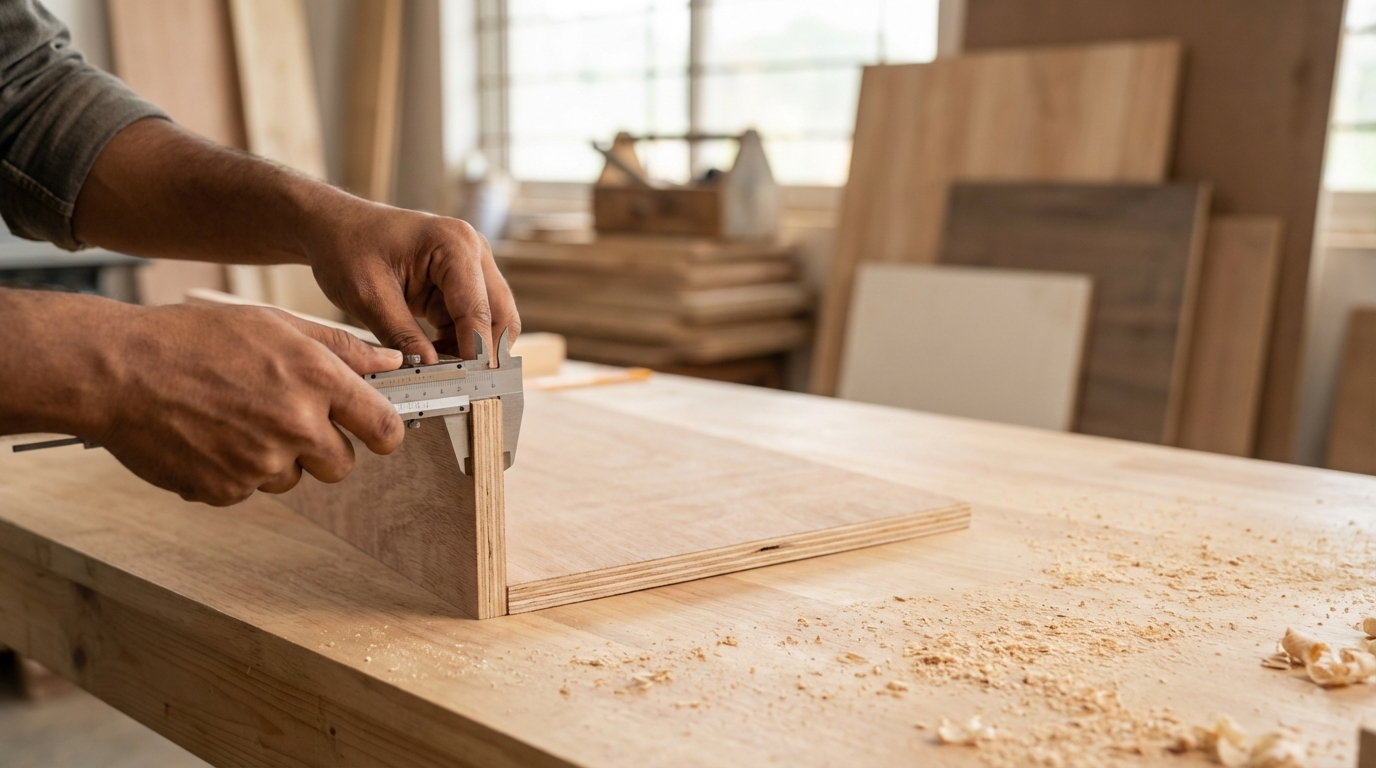
Inspect post-unload: Tap edges for cracks, measure flatness with straightedge. Document damage photos for dealer claims—common in fragmented supply chains.
Essential Tools and Materials Checklist
| Category | Items | Why Essential |
|---|---|---|
| Securing | Ratchet straps (4x), ropes (50m), bungee cords | Prevent shift on vibrations |
| Protection | Corner guards, tarpaulin (2x), foam sheets | Shield edges/surfaces |
| Handling | Gloves, trolleys, spacers/battens | Safe manual moves |
| Inspection | Tape measure, spirit level, marker | Verify integrity |
Source from hardware markets like Delhi's Chawri Bazar; budget Rs 2000-5000 for a full kit, reusable across hauls.
Common Pitfalls and Prevention Tactics
Overlooking weight limits leads to fines (Rs 2000+ under MV Act). Wet ropes slip—dry and recoat with wax. Ignoring orientation: Vertical stacks bow on heat (40°C+ summers). Case from Karnataka contractors: 20% loss from unsecured urban deliveries—fixed by routine checks.
For architects specifying on-site delivery, mandate supplier SOPs including GPS tracking.
Cost Implications of Safe vs Risky Transport
Damage rates drop 80% with proper methods, per industry observations. A warped 18mm BWR sheet (higher mid-range pricing) incurs full replacement—escalating project costs 5-10%. Contractors save via bulk kits; homeowners opt minimal setups for DIY pickups.
Long-term: Consistent practices build dealer trust, unlocking volume discounts in competitive markets like Hyderabad's plywood hubs.
Related guides on PlyPrice
Want Plywood Suggestions?
Share a few details and a PlyPrice specialist will suggest suitable brands and connect you to responsive dealers.