Fire Resistant Plywood: IS 5509 Grades, Uses and How FR Ply Works
Fire resistant (FR) plywood is chemically treated, often with ammonium phosphate or borates, so it forms an insulating char layer that slows flame spread and cuts smoke. In India, check IS 5509 compliance before using it in kitchens and offices.
What Makes Plywood Fire Retardant?
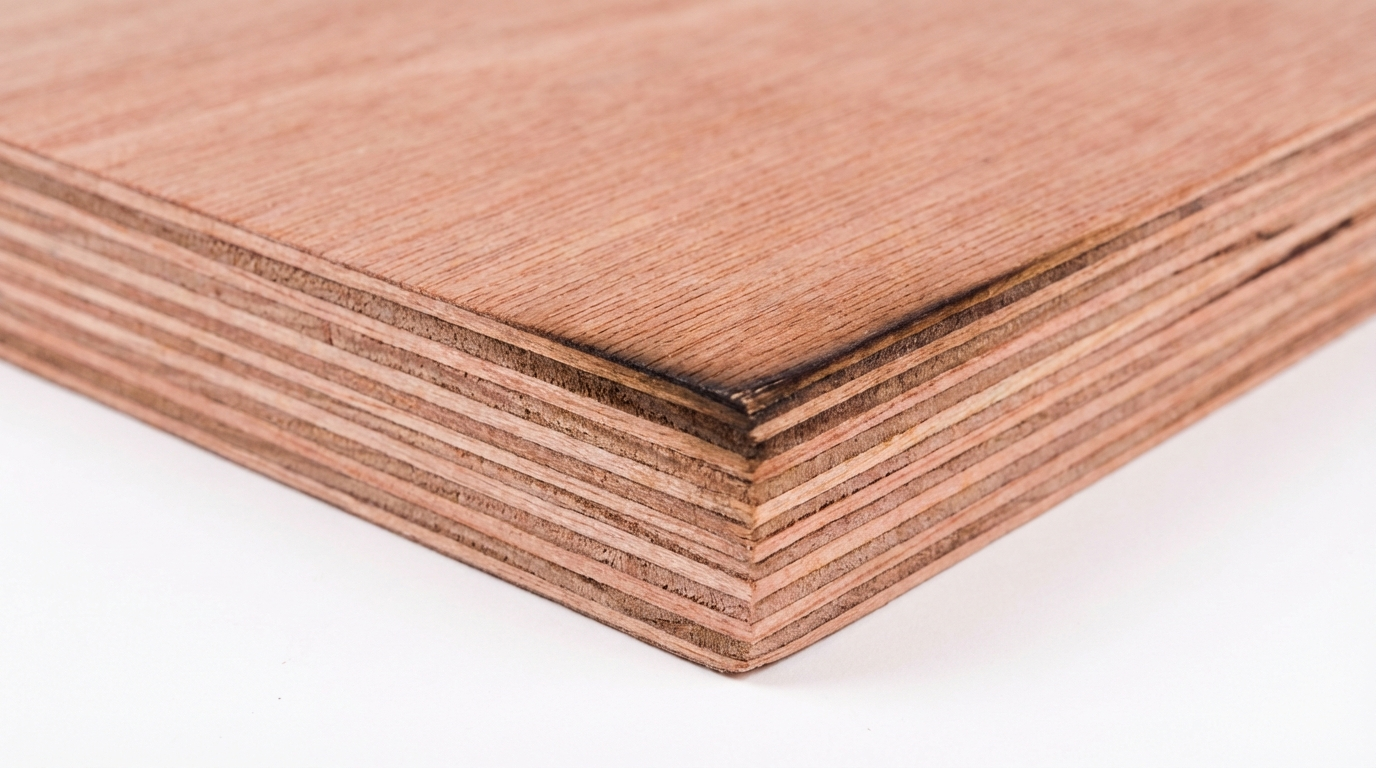
Standard plywood, made from wood veneers glued with resins, ignites readily under heat due to its organic composition. Fire retardant (FR) plywood undergoes chemical treatment during manufacturing to alter this behavior. Impregnation with compounds like ammonium phosphate, borates, or synthetic polymers forms a char layer when exposed to flame. This char insulates the core, slowing combustion while releasing non-flammable gases that dilute oxygen around the surface.
In India's variable climate—marked by monsoon humidity and dry seasons—untreated plywood absorbs moisture, accelerating degradation and fire risk. FR treatment penetrates veneers up to 90% of thickness, providing consistent performance. Unlike surface coatings that wear off, this integral modification withstands sanding and finishing, crucial for furniture and joinery in humid coastal regions like Mumbai or Chennai.
Chemical Mechanisms Behind Fire Delay
- Endothermic Reaction: Treatments absorb heat, decomposing into water vapor and inert ash, raising ignition temperature from 250°C (regular ply) to over 400°C.
- Char Formation: Carbonizes outer layers, blocking heat transfer to inner veneers.
- Smoke Suppression: Limits volatile gas release, reducing toxic smoke density by 40-60% compared to untreated boards.
These properties align with buyer needs in fire-prone areas: delaying spread buys evacuation time in apartments or offices, where narrow corridors amplify risk.
Key Indian Safety Standards: IS 5509 Explained
IS 5509:2000, issued by the Bureau of Indian Standards (BIS), sets benchmarks for FR plywood. It mandates testing for flame spread, ignition time, and rate of burn using a radiant panel apparatus. Compliance requires plywood to achieve Class 1 or 2 ratings, where Class 1 limits flame spread to under 30% surface area.
Unlike voluntary MR or BWR grades (IS 303), FR certification demands third-party lab validation. Look for BIS license numbers etched on edges—absence signals non-compliance, common in unbranded dealer stock. Post-2020 amendments emphasize smoke toxicity limits, addressing urban high-rise concerns under National Building Code (NBC) Part 4.
IS 5509 Grading Breakdown
| Grade | Flame Spread (%) | Smoke Density | Typical Use |
|---|---|---|---|
| FR-1 (Class 1) | <30 | Low (<75% obscuration) | High-risk: Hotels, theaters, hospitals |
| FR-2 (Class 2) | 30-60 | Moderate | Offices, kitchens, residential partitions |
| Non-FR Baseline | >60 | High | Avoid in enclosed spaces |
This table highlights why architects specify FR-1 for public buildings, while FR-2 suits cost-sensitive modular kitchens.
How FR Plywood Delays Fire Spread and Cuts Smoke
Regular plywood flames propagate at 0.5-1 mm/sec; FR variants cap at 0.1-0.3 mm/sec due to intumescent expansion—treatments swell 5-10 times, forming a barrier. In a kitchen fire from gas leakage, common in Indian households, this delay (15-30 minutes vs. 5 minutes) allows fire extinguisher use.
Smoke reduction stems from incomplete pyrolysis: fewer hydrocarbons volatilize, dropping CO/CO2 ratios. Tests per IS 5509 show FR ply emitting 50% less particulates, vital in offices with AC recirculation where smoke lingers.
Real-World Fire Scenario Comparison
| Scenario | Regular Plywood | FR Plywood (IS 5509) | Outcome Difference |
|---|---|---|---|
| Kitchen Cabinet Blaze | Ignites in 2 mins, full burn in 8 mins | Sustained glow, no flashover till 20 mins | Evacuation window doubles |
| Office Partition Fire | Heavy black smoke in 5 mins | Minimal smoke, char only | Visibility maintained longer |
Ideal Applications in Indian Kitchens and Offices
Kitchen Installations
Modular kitchens dominate urban India, with plywood carcasses exposed to oil splatter and heat. FR grade prevents ember spread from stoves, mandatory in gated communities under local fire bylaws. Pair with SS hardware for synergy; avoids warping in steamy Indian cooking environments.
Contractors favor 18mm FR for base units—thicker cores resist sagging under utensils.
Office and Commercial Spaces
Partitions, false ceilings, and reception desks in IT parks (Bengaluru, Hyderabad) use FR to meet NBC fire separation norms. In humid offices, it outperforms gypsum boards by handling minor water exposure without delaminating.
Architects select FR-2 for open-plan layouts, balancing safety with acoustics via perforations.
Other High-Risk Zones
- Hotels: Wardrobe backs, room dividers
- Schools: Blackboard surrounds, stage backdrops
- High-rises: Lift lobbies, stairwells
Types of Fire Retardant Plywood Available in India
FR treatments overlay base grades:
- FR-MR: Moisture-resistant base, economical for interiors; swells post-wetting.
- FR-BWR: Boiling water-resistant, suited for humid kitchens; 72-hour boil test pass.
- FR-BWP: Boiling water-proof, premium for coastal offices; marine-like durability.
- HDHMR-FR: High-density HDF variant, denser core for superior char; heavy-duty furniture.
Hardwood vs. softwood cores affect rigidity—teak core FR for load-bearing shelves.
Testing, Certification, and Verification Tips
BIS labs like NPL Delhi conduct IS 5509 tests: glow wire at 650°C, no ignition for 30 seconds. Independent bodies (CBRI Roorkee) issue reports; demand these from dealers.
On-site checks:
- Burn a scrap edge: FR chars white, doesn't flame.
- Smell test: Chemical odor indicates treatment.
- Edge stamp: BIS CM/L number + FR grade.
Fakes abound in tier-2 markets—verify via BIS portal app.
Buying Guide: Decision Factors for Buyers
Step-by-Step Selection Process
- Assess Risk: Kitchen/office? FR-2 suffices; public? FR-1.
- Match Environment: Humid? BWP base. Dry interiors? MR saves cost.
- Thickness Logic: 12mm for shelves, 18-25mm for cabinets.
- Source Wisely: Authorized dealers over wholesalers; regional mills (Kerala, Punjab) vary quality.
- Compare Alternatives: FR vs. fire-rated MDF (cheaper, less rigid) or calcium silicate boards (non-combustible, brittle).
Cost Drivers and Budgeting
FR plywood costs 25-60% more than regular due to chemicals (10-15% weight) and testing. Thicker sheets amplify premiums; certified brands add 10-20%. Regional swings: North India lower (proximity to mills), South higher (transport).
| Factor | Cost Impact | Buyer Tip |
|---|---|---|
| Base Grade (MR/BWR/BWP) | Low/Med/High | Skip BWP unless wet-prone |
| FR Class (1 vs 2) | +15-30% | Class 2 for most homes |
| Thickness (12/18/25mm) | Progressive rise | Optimize per load |
| Volume Purchase | Dealer discounts 5-15% | Contractors negotiate bulk |
Limitations and Maintenance Advice
FR plywood isn't fireproof—prolonged exposure (over 45 mins) leads to structural failure. Avoid direct flame zones; moisture over 20% reverses treatments. Seal edges with FR putty; repaint every 5 years in smoky kitchens.
Vs. metal/GI alternatives: More aesthetic, easier machining, but needs ventilation in enclosed installs.
Common Myths About Fire Retardant Plywood
- Myth: All branded ply is FR. No—check labels; many market "flame guard" paints, not true FR.
- Myth: FR equals waterproof. Base grade dictates moisture resistance.
- Myth: Too expensive for homes. ROI via insurance discounts in fire-vulnerable cities.
FR Plywood Buying Checklist: What to Verify
- BIS IS 5509 certification?
- FR-1/2 grade match for use?
- Base grade (MR/BWR/BWP) suitable?
- Lab test report available?
- Edge burn test passed?
- Cost justified by risk?
This framework empowers homeowners negotiating with carpenters, contractors sizing projects, and designers specifying for tenders.
Related guides on PlyPrice
Want Plywood Suggestions?
Share a few details and a PlyPrice specialist will suggest suitable brands and connect you to responsive dealers.