Best Plywood for Storage Cabinets and Lofts: Commercial vs BWR Grades
Commercial plywood suits dry utility cabinets on a budget, while BWR adds moisture protection for damp corners and lofts. For heavy loads such as water drums and stacked luggage, bending strength, thickness and screw holding matter most.
Last updated: . Grades and standards checked against current BIS standards.
Storage Cabinets Under Strain: Why Durability Defines Longevity
Storage cabinets in Indian households bear constant loads from household items, seasonal gear, and bulk purchases. Unlike kitchen counters exposed to spills or bathroom units facing steam, these spaces prioritize structural integrity over aesthetics. Heavy boxes, water drums, or stacked luggage test the plywood's bending strength and screw-holding capacity. In humid coastal regions or termite-prone interiors, untreated wood warps or crumbles within years, turning organized storage into sagging shelves.
Buyers—homeowners retrofitting homes, contractors fitting apartments, or designers specifying for rentals—seek plywood that withstands 5-10 years of use without reinforcement. First-principles logic: Plywood's cross-laminated veneers distribute weight evenly, outperforming solid wood that splits under uneven stress. For storage, focus on glue line strength (measured by boil tests) over surface gloss.
Core Recommendations: Commercial and BWR Plywood Lead for Utility
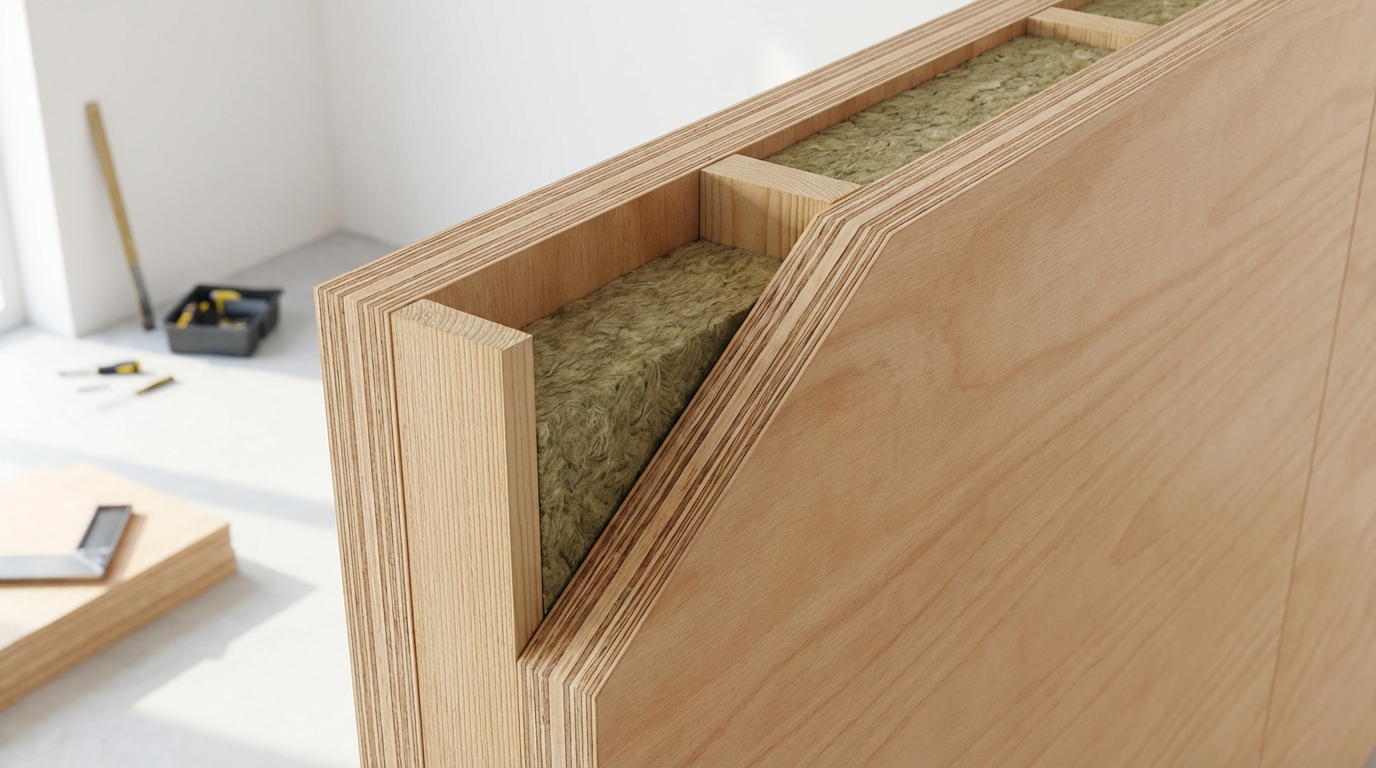
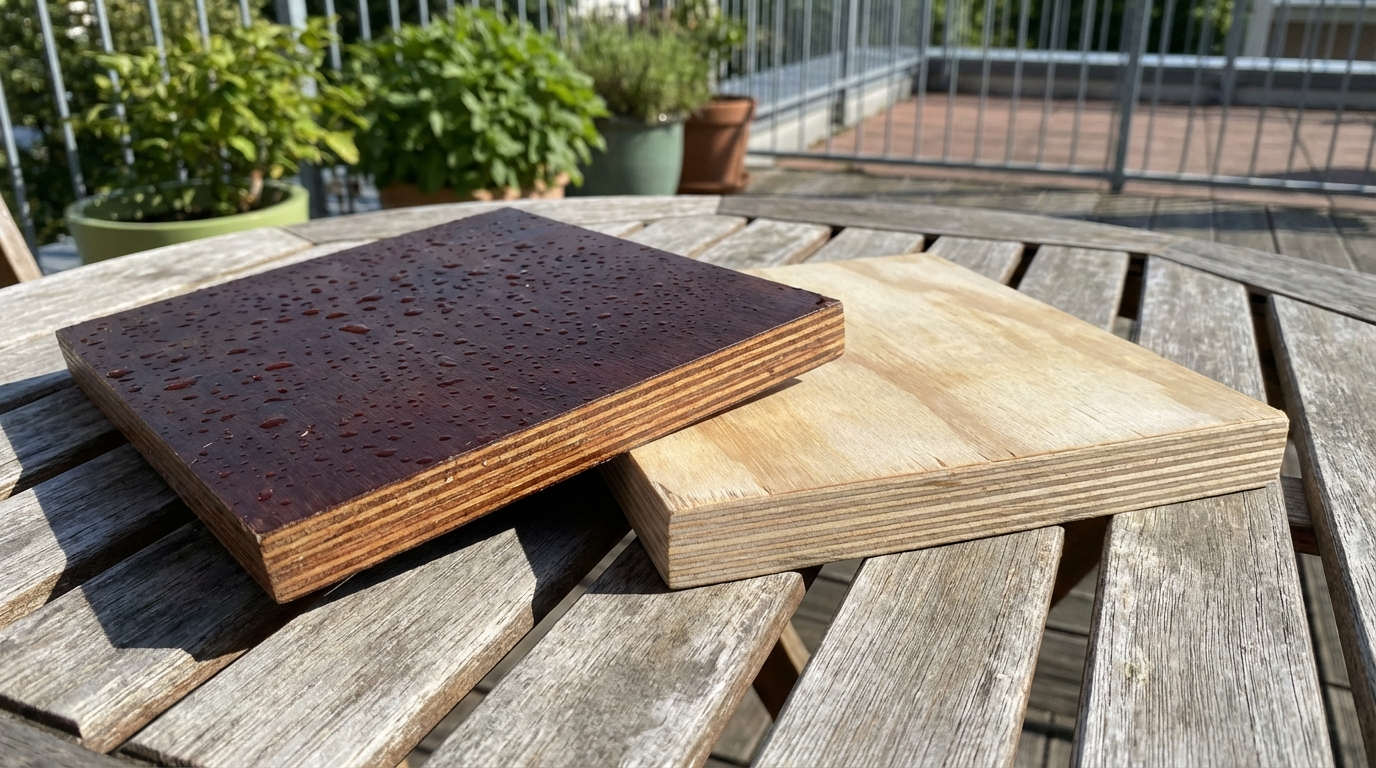
Commercial (MR-grade) and Boiling Water Resistant (BWR) plywood form the backbone for storage applications. Commercial suits dry interiors like bedrooms or living room lofts, where moisture stays below 20%. BWR steps up for semi-exposed areas like utility zones near balconies or garages, passing three cycles of 8-hour boiling and 16-hour drying under IS 303.
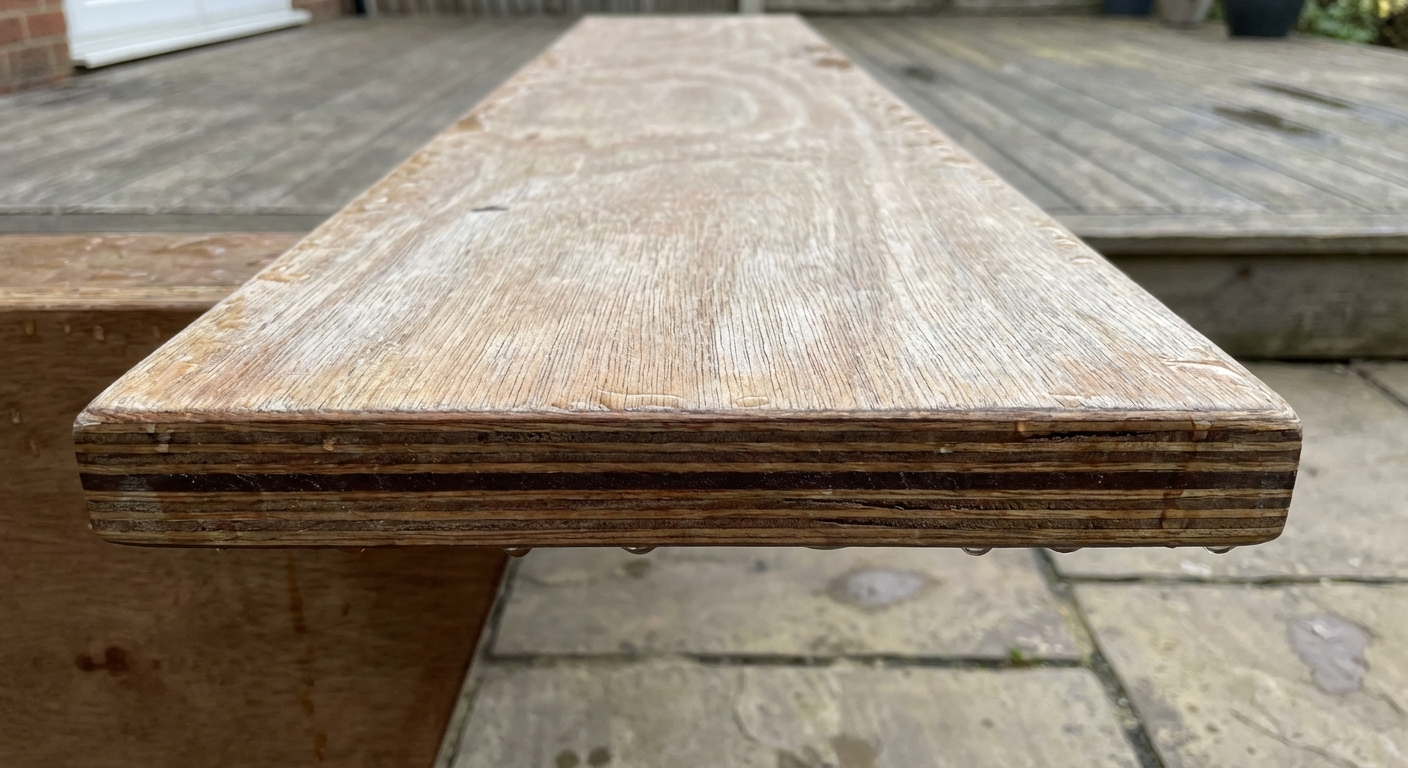
Why these over premium grades? Marine (BWP) resists full boiling but costs 40-60% more, overkill for non-wet zones. MR-grade, bonded with urea-formaldehyde, handles everyday humidity swings in air-conditioned spaces. BWR's phenolic resins add cross-linking for superior delamination resistance, ideal where monsoon leaks or cleaning splashes occur.
- Commercial MR: Entry-level utility; economical for high-volume storage like godowns or kids' toy lofts.
- BWR: Balanced performer; default for middle-class home cabinets holding groceries or linens.
Utility Cabinets: Matching Plywood to Heavy-Duty Needs
Utility cabinets in kitchens, balconies, or service areas stack pressure cookers, buckets, and cleaning supplies. Vertical loads exceed 50kg per shelf, demanding 18mm thickness minimum to prevent bowing. Commercial plywood suffices in covered spots, but BWR prevents glue failure from detergent vapors or pipe drips.
Contractor logic: In Mumbai high-rises, opt for BWR with 0.5mm laminate facing to block grease stains. Homeowners in Delhi prioritize termite-proof variants, as untreated cores attract infestations in ground-floor units. Real-world test: Shelves holding 100kg+ rice bags show BWR sagging 20% less than MR after 2 years.
Thickness guide:
| Load Type | Recommended Thickness | Plywood Grade | Span Between Supports |
|---|---|---|---|
| Light (books, clothes) | 12mm | Commercial MR | Up to 60cm |
| Medium (groceries, tools) | 15-18mm | BWR | 60-90cm |
| Heavy (drums, luggage) | 18-25mm | BWR or Structural | 45-60cm |
Lofts and Overhead Storage: Overhead Strength Imperatives
Loft shelves above wardrobes or beds maximize vertical space in compact Indian apartments. Accessed sporadically, they endure static loads from suitcases or festive decor. Key risk: Vibration from ceiling fans or earthquakes in seismic zones like Gujarat.
BWR plywood excels here, with face veneers resisting peel under pull-out forces. Pair with metal cleats for spans over 80cm. In humid Pune homes, commercial MR warps from attic condensation; BWR maintains flatness. Designer tip: Calibrated panels (error <1mm) ensure level installation, preventing dust traps.
Regional nuance: South Indian villas use 18mm BWR for spice lofts, where aromatic oils test glue bonds. North-Eastern buyers lean commercial for lighter bamboo-alternative storage.
General Storage Units: Versatile Builds Across Scenarios
From garage racks to linen cupboards, general units vary by exposure. Enclosed bedroom storage favors commercial plywood for cost savings—20-30% cheaper per sheet. Semi-open puja room cabinets need BWR to fend off incense humidity.
Decision matrix for buyers:
| Storage Type | Moisture Exposure | Best Plywood | Alternatives if Budget Tight |
|---|---|---|---|
| Bedroom wardrobes | Low | Commercial MR, 15mm | HDHMR (if flat-pack) |
| Balcony utility | Medium | BWR, 18mm | Commercial with melamine polish |
| Garage racks | High | BWR, 25mm | Blockboard for screw grip |
Architect insight: Modular units benefit from groove-cut BWR, enabling tongue-and-groove joints without extra framing.
Thickness, Finish, and Treatments: Layered Performance Factors
Thickness drives 70% of strength; 12mm for uppers, 18mm+ for lowers. Finishes like laminate or veneer add abrasion resistance—PU polish suffices for painted cabinets. Treatments matter: Termite oil in core for虫-prone Bihar; anti-fungal for Kerala basements.
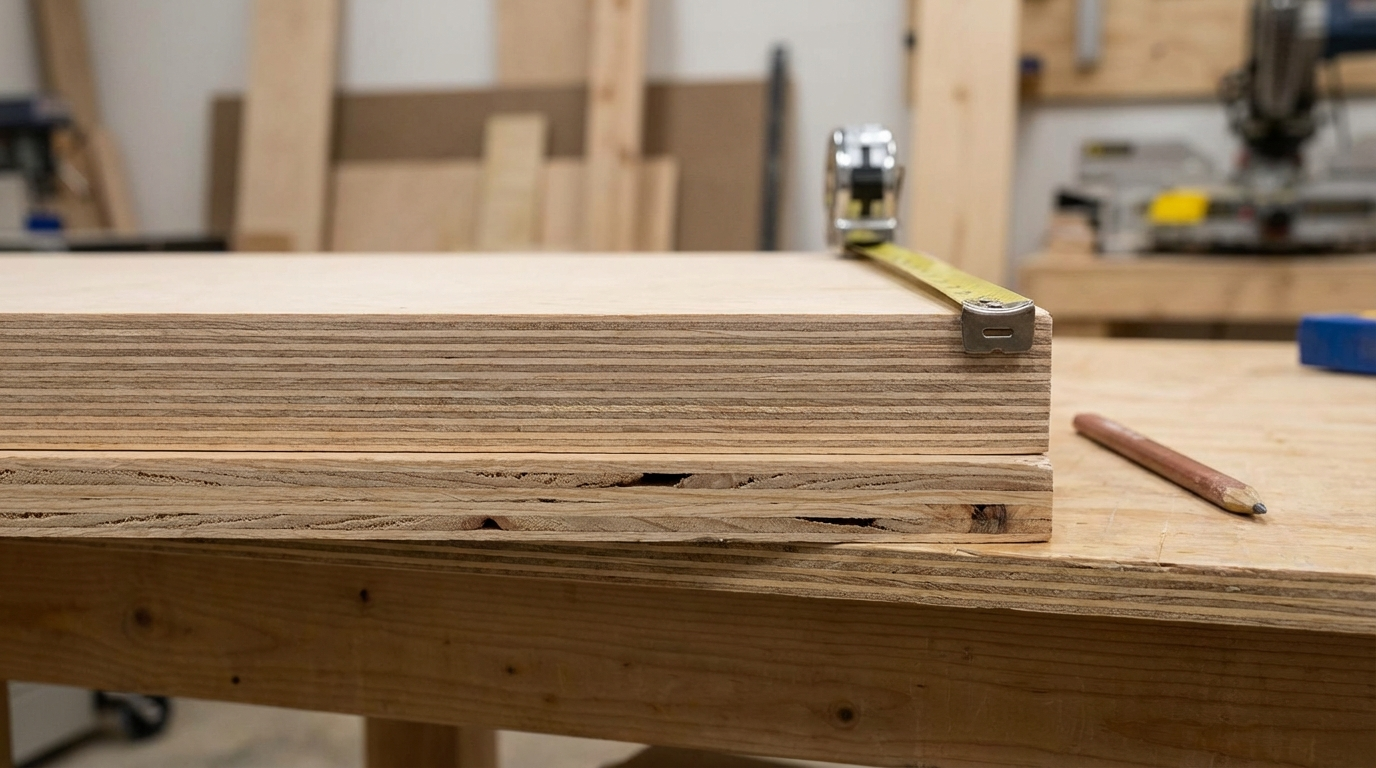
ISI norms (IS:303 for commercial, IS:710 for BWR) verify boil resistance, but check dealer stamps—fakes flood Tier-2 markets. First-principles: Higher plies (9+ for 18mm) disperse stress; avoid 5-ply budget sheets prone to telegraphing.
Plywood Grades Comparison: Storage-Specific Metrics
Beyond grades, evaluate by end-use metrics. Commercial offers density around 500kg/m³, sufficient for static loads. BWR hits 550-600kg/m³, edging in screw retention (200kg pull-out vs 150kg).
| Attribute | Commercial MR | BWR | Why It Matters for Storage |
|---|---|---|---|
| Water Resistance | 3-hour soak at 60°C, three cycles | 8-hour boil, three cycles | Prevents shelf collapse from leaks |
| Screw Holding | Good | Excellent | Supports adjustable shelves |
| Cost Relative | Baseline | 20-40% higher | Balances upfront vs lifecycle |
| Termite Resistance | With treatment | Enhanced resins | Long-term in Indian climates |
MDF/HDHMR alternatives: Uniform for doors but swells under spills; reserve for painted panels, not load-bearers.
Cost Drivers and Regional Pricing Logic
Plywood pricing hinges on gum quality, veneer count, and logistics. Commercial starts lower in plywood hubs like Kerala (proximity mills), 15-25% premium in Rajasthan due to transport. BWR adds resin costs, varying 10-20% by brand adherence to specs.
Dealer vs retail: Contractors negotiate 10-15% off for bulk; homeowners pay list at hardware stores. Value equation: BWR's durability offsets initial outlay by avoiding repairs. Avoid rock-bottom deals—signal poor glue (pops under heat).
Procurement and Installation: Contractor and Homeowner Playbooks
Source from BIS-licensed mills via authorized dealers; inspect for uniform color, no voids. Cut panels on-site to fit odd angles in Indian layouts. Fix with 5x75mm screws at 15cm centers; reinforce corners with L-brackets.
Maintenance: Wipe with damp cloth (BWR tolerant); ventilate to curb mustiness. In flood-prone areas, elevate bases 10cm.
Pitfalls in Storage Plywood Selection: Lessons from Field Failures
Common errors: Underspeccing thickness (12mm for heavy loads bows 5cm+); ignoring edge banding (exposes core to humidity); skipping calibration (uneven shelves collect water). Contractors overlook BWR in "dry" zones, facing callbacks post-monsoon.
Pro tip: Prototype one shelf with intended load before full build. For rentals, commercial suffices—tenants prioritize affordability over longevity.
This framework equips decisions for resilient storage, aligning material science with practical Indian use cases.
Related guides on PlyPrice
Want Plywood Suggestions?
Share a few details and a PlyPrice specialist will suggest suitable brands and connect you to responsive dealers.