Best Plywood for Kitchen Cabinets: BWP, BWR or MR Grade?
BWP plywood made to IS:710 is the safest choice for Indian kitchen cabinets, because MR plywood with urea-formaldehyde glue can delaminate within 1-2 years when steam and monsoon humidity reach 80-90%. See the right thickness, how to spot genuine BWP and installation tips.
Last updated: . Grades and standards checked against current BIS standards.
Kitchen Environments: Why Standard Plywood Fails
In Indian households, kitchens are high-activity zones exposed to relentless moisture from cooking steam, frequent spills, sink splashes, and monsoon humidity seeping through walls. Unlike dry areas like bedrooms, cabinets here endure constant dampness cycles—up to 80-90% relative humidity in coastal cities like Mumbai or Chennai during rains. Standard MR-grade plywood, reliant on urea-formaldehyde glues, delaminates within 1-2 years under these conditions, leading to warped doors, sagging shelves, and mold growth.
Termites add another layer of risk; kitchens store grains and spices, attracting infestations that plywood's core vulnerabilities amplify. Homeowners report cabinet failures costing 20-30% of renovation budgets in callbacks. The logical choice starts with matching plywood's glue and construction to these stressors, prioritizing boiling waterproof (BWP) grades certified to IS:303 (or marine plywood to IS:710).
Plywood Grades Decoded: MR, BWR, and BWP Explained
Plywood grading hinges on glue type and boil-test performance, derived from core veneers bonded under heat and pressure. Here's the breakdown using first-principles:
- MR (Moisture Resistant): Urea-formaldehyde glue offers basic humidity tolerance but fails immersion tests. Suitable for low-moisture interiors; kitchens expose its limits quickly.
- BWR (Boiling Water Resistant): Phenol-formaldehyde glue passes three cycles of 8-hour boiling and 16-hour drying in tests. Better for bathrooms, but kitchen steam cycles (repeated short exposures) degrade it over 3-5 years.
- BWP (Boiling Waterproof): Fully synthetic phenol-formaldehyde resins pass a 72-hour boil test per IS:303 (IS:710 covers marine). Core remains intact, ideal for perpetual wet zones like kitchens.
IS:710 certification mandates 100% waterproof glue, balanced veneers (no softwood fillers), and formaldehyde emission limits (E1/E0). Non-certified "BWP" labels mislead; genuine ones bear BIS stamps and lab reports.
IS:710 Standards: What They Guarantee for Cabinets
Developed for India's tropical climate, IS:710 requires plywood to endure 72-hour boiling without more than 10% thickness swell or delamination. Testing simulates kitchen abuse: glue lines must retain 90% bond strength post-immersion. This contrasts with softer international grades, as Indian norms factor monsoon-driven humidity spikes (RH >95%). For cabinets, BWP ensures dimensional stability—critical for hinge alignment and drawer slides amid daily use.
Why BWP (IS:303) is Non-Negotiable for Kitchen Cabinets
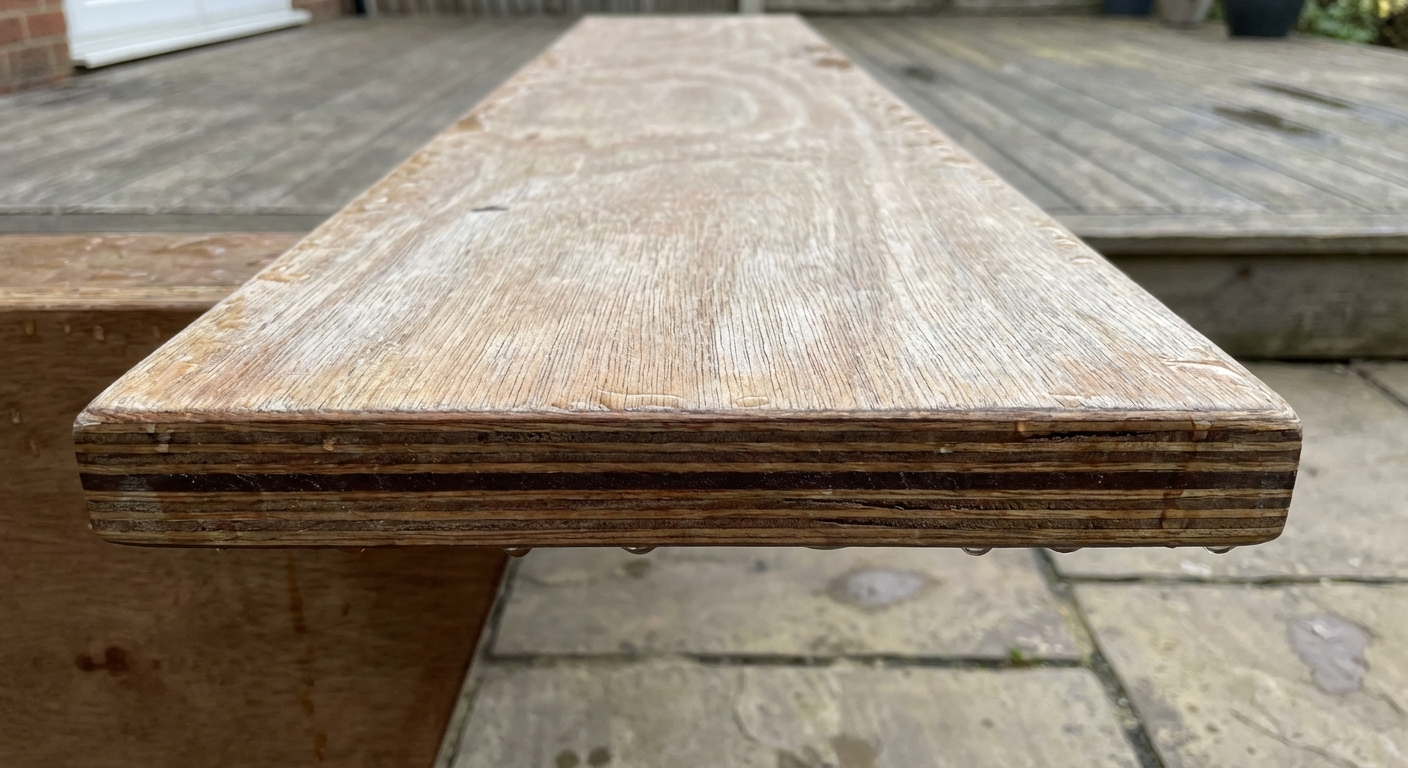
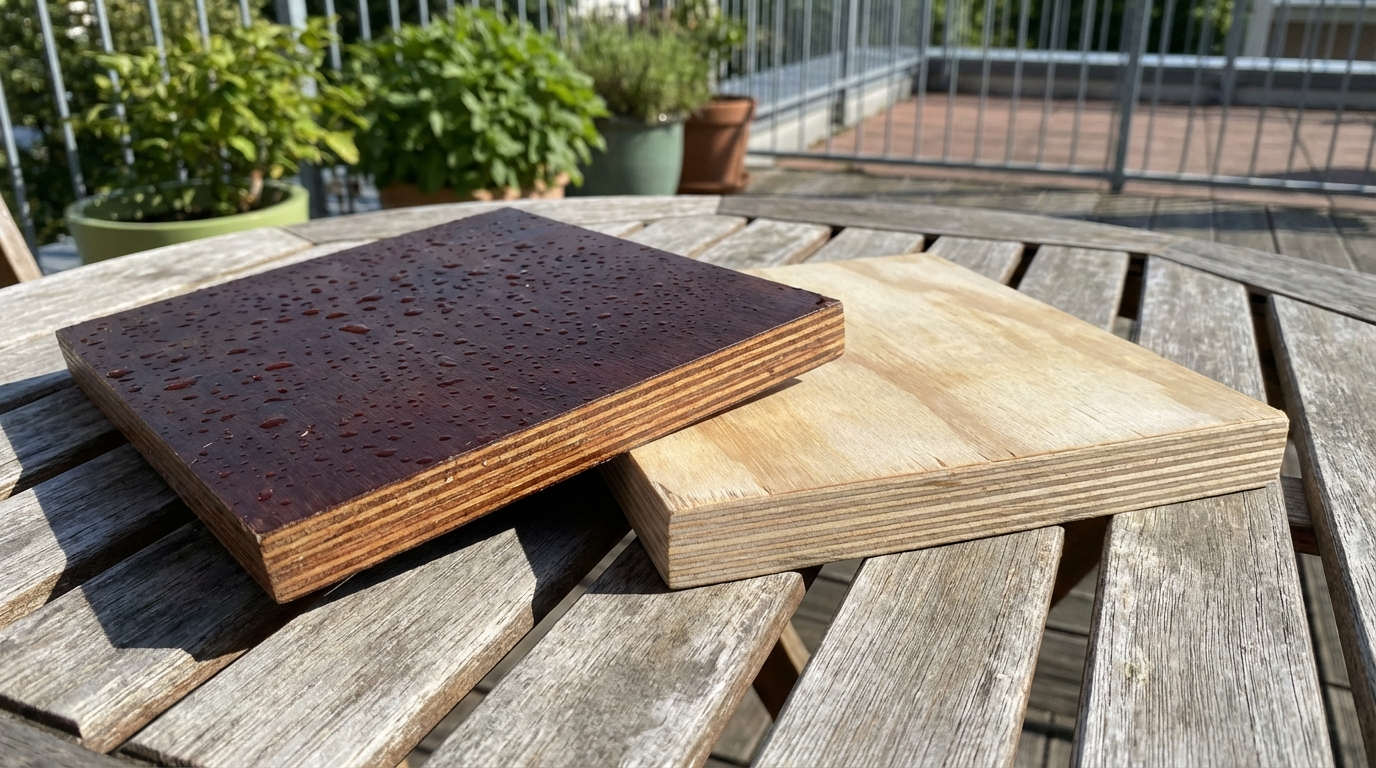
Moisture isn't uniform; kitchens generate vapor from gas stoves (up to 2-3 liters/hour in Indian cooking), condensing inside cabinets. Non-BWP plywood absorbs 20-30% water, expanding cores and cracking laminates. BWP limits swell to under 5%, preserving flatness.
Termite resistance stems from dense hardwoods (gurjan, sal) in quality BWP, plus preservatives. MR grades, often poplar-core, invite colonies via sapwood. In termite-prone regions like Kerala or Uttar Pradesh, untreated plywood halves lifespan.
Long-term data from architects shows BWP cabinets lasting 15-20 years versus 4-7 for BWR, factoring maintenance costs. For modular kitchens (L-shaped or island designs), uniform strength prevents sagging under utensil loads (20-50kg/shelf).
| Grade | Moisture Tolerance (Boil Test) | Kitchen Lifespan (Years) | Termite Risk | Cost Relative to MR |
|---|---|---|---|---|
| MR | 3-hour soak at 60°C, three cycles | 2-4 | High | Base |
| BWR | 8-hour boil, three cycles | 4-7 | Medium | 20-40% higher |
| BWP (IS:303) or marine (IS:710) | 72-hour boil | 15-20 | Low | 40-70% higher |
Note: Lifespans assume proper sealing and ventilation; costs vary by thickness/region.
Thickness and Specifications for Optimal Cabinet Builds
Kitchen cabinets demand layered thicknesses for strength:
- 18mm: Carcasses and shutters—handles 50kg+ loads without deflection.
- 12mm: Partitions and shelves—balances weight and weight.
- 6-9mm: Backs and toe spaces—minimal but sealed.
Standard sizes: 8x4 ft sheets yield efficient cuts for 10-12 ft linear cabinets. Opt for cross-band veneers (0.5-1mm) to boost screw-holding power. Face veneers (1.0-1.5mm) accept laminates or veneers seamlessly.
Sealing and Finishing: Maximizing BWP Performance
Even BWP needs edge sealing with 2-3 coats of PU varnish or epoxy to block micro-capillary absorption. Interior designers recommend PVC edge-banding (1-2mm thick) for high-wear zones. Laminates (1mm) or acrylics add abrasion resistance against masala spills.
Cost Drivers and Value Analysis for Indian Buyers
BWP pricing reflects glue (40% cost), hardwood cores (30%), and certification overheads. Expect 40-70% premium over MR, influenced by:
- Region: North India (Delhi-NCR) 10-20% cheaper than South (due to transport).
- Thickness/Quality: 18mm premium hardwood > poplar mixes.
- Dealer vs Retail: Dealers offer 10-15% bulk discounts; verify BIS via QR codes.
ROI calculation: Initial outlay recovers via zero replacements. Contractors favor BWP for warranty claims; homeowners prioritize modularity for resale value.
| Grade | Material Cost Range | Total Install (incl. Hardware) | 5-Year Maintenance Savings |
|---|---|---|---|
| MR | Base | Base | Low |
| BWR | +25% | +20% | Medium |
| BWP | +50% | +35% | High (No warping fixes) |
Buyer Decision Framework: Homeowner vs Contractor vs Designer
Homeowners
Prioritize lab-tested BWP from local dealers; check boil-test videos or third-party reports. Avoid "commercial BWP" hybrids lacking full certification.
Contractors
Stock 18/12mm combos; negotiate volume for projects. BWP reduces site callbacks by 50% in humid belts.
Interior Designers/Architects
Specify IS:710 with E0 emissions for health-conscious clients. Pair with SS hinges and soft-close drawers for premium kitchens.
Common Pitfalls and How to Spot Genuine BWP
Fakes flood markets: Thin glues mimic labels. Tests:
- Weight Check: Genuine BWP feels denser (45-55 kg/sheet for 18mm).
- Edge Inspection: Uniform glue lines, no voids.
- BIS Verification: Scan license numbers on cbis.gov.in.
- DIY Boil Test: Submerge scrap 24 hours—intact = good.
Dealer red flags: Unrealistic discounts (>20% off list), missing test certs.
Installation Best Practices for Longevity
Wall-mount cabinets 1.5m above floor to evade floor moisture. Use 25mm screws into studs; ventilate with 5-10mm gaps. Post-monsoon, inspect seals annually.
For retrofits, BWP panels slot into existing frames, minimizing downtime.
Alternatives to Solid BWP: When They Fall Short
HDHMR offers density but inferior boil resistance. MDF warps instantly. Marine plywood matches BWP but costs 20-30% more without cabinet-specific balancing. Stick to certified BWP for cabinets.
Which Plywood Should You Use for Kitchen Cabinets?
In summary, BWP plywood (IS:303, or IS:710 for marine) aligns directly with kitchen rigors, moisture-proofing cores against delamination and termites via proven glue science. While upfront costs rise, durability slashes long-term expenses, suiting India's variable climates and cooking habits. Consult certified suppliers, verify standards, and design with ventilation for cabinets that endure generations.
Related guides on PlyPrice
Want Plywood Suggestions?
Share a few details and a PlyPrice specialist will suggest suitable brands and connect you to responsive dealers.