Best Plywood for Hotel Furniture: Grades for Rooms and Lobbies
BWP marine plywood is the benchmark for hotel furniture that faces bathroom humidity and heavy guest use, BWR suits controlled air-conditioned rooms, and HDHMR is a modern option for some fit-outs. Beds and wardrobes can carry 200-300 kg every day.
Last updated: . Grades and standards checked against current BIS standards.
Hotel Furniture Challenges: Matching Plywood to High-Traffic Demands
In India's hospitality sector, hotel furniture faces relentless wear from guest turnover, humid climates, and frequent cleaning. Rooms endure moisture from attached bathrooms and varying AC usage, while lobbies handle spills, heavy furniture shifting, and constant foot traffic. Plywood selection hinges on balancing structural integrity under these stresses with a refined surface that conveys luxury. Decisions start with understanding load-bearing needs—beds and wardrobes support daily weights up to 200-300 kg—against surface vulnerabilities like delamination from monsoon humidity or abrasive cleaning agents common in Indian hotels.
Core Requirements for Durability in Hospitality Settings
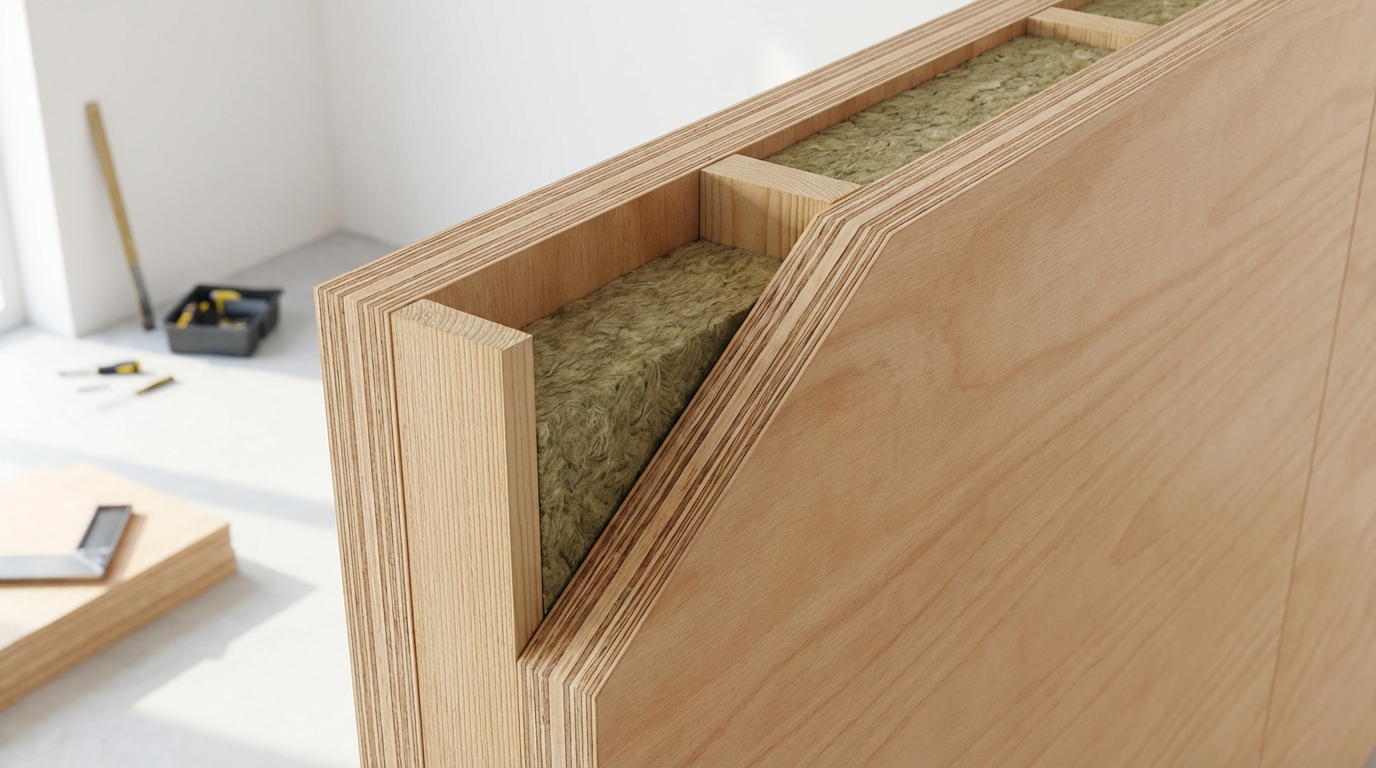
Durability stems from plywood's core construction: face veneers, crossbands, and central plies bonded with synthetic resins. In hotels, prioritize boil-water-proof (BWP) or boiling-water-resistant (BWR) grades per ISI IS:303 standards, as MR-grade fails quickly in humid zones like coastal Mumbai or Kerala resorts. BWP withstands prolonged boiling, mimicking steam cleaning and high humidity, while BWR suffices for semi-controlled interiors but risks edge swelling in monsoons.
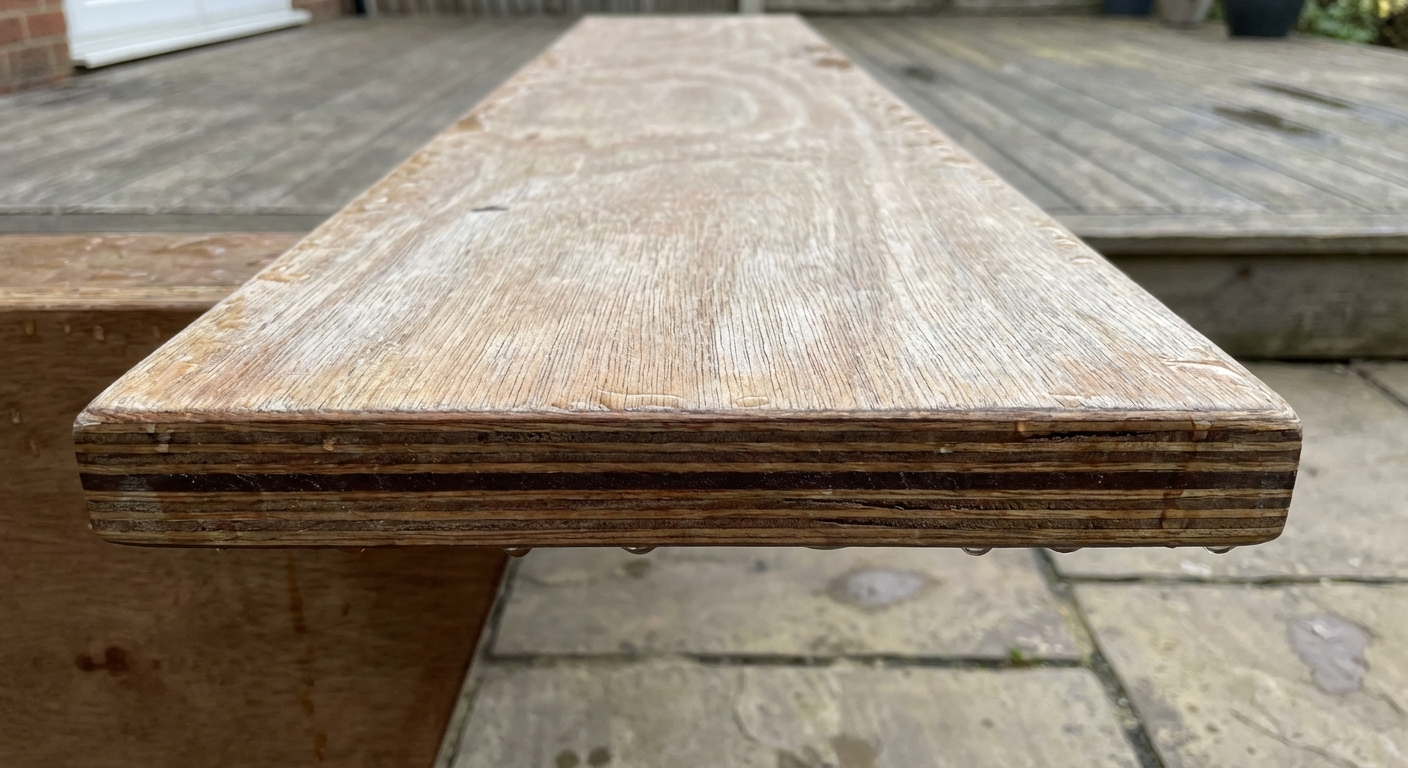
- Moisture Resistance: Hotel bathrooms generate vapor; plywood edges absorb unless sealed with PU finishes. Opt for 100% waterproof glues to prevent core rot.
- Wear and Impact: Lobbies see trolleys and chairs scraping surfaces; hardface veneers like teak or oak resist dents better than softwoods.
- Load Capacity: 18-25 mm thickness for freestanding units; thinner 12 mm for partitions if reinforced.
High-Grade Plywood Types Tailored for Hotel Interiors
Hospitality demands plywood beyond standard commercial grades. High-grade options feature consistent density (600-750 kg/m³), minimal voids, and uniform glue lines, ensuring furniture holds shape under cyclic loading from check-ins and housekeeping.
BWP Marine Plywood: The Benchmark for Premium Hotel Use
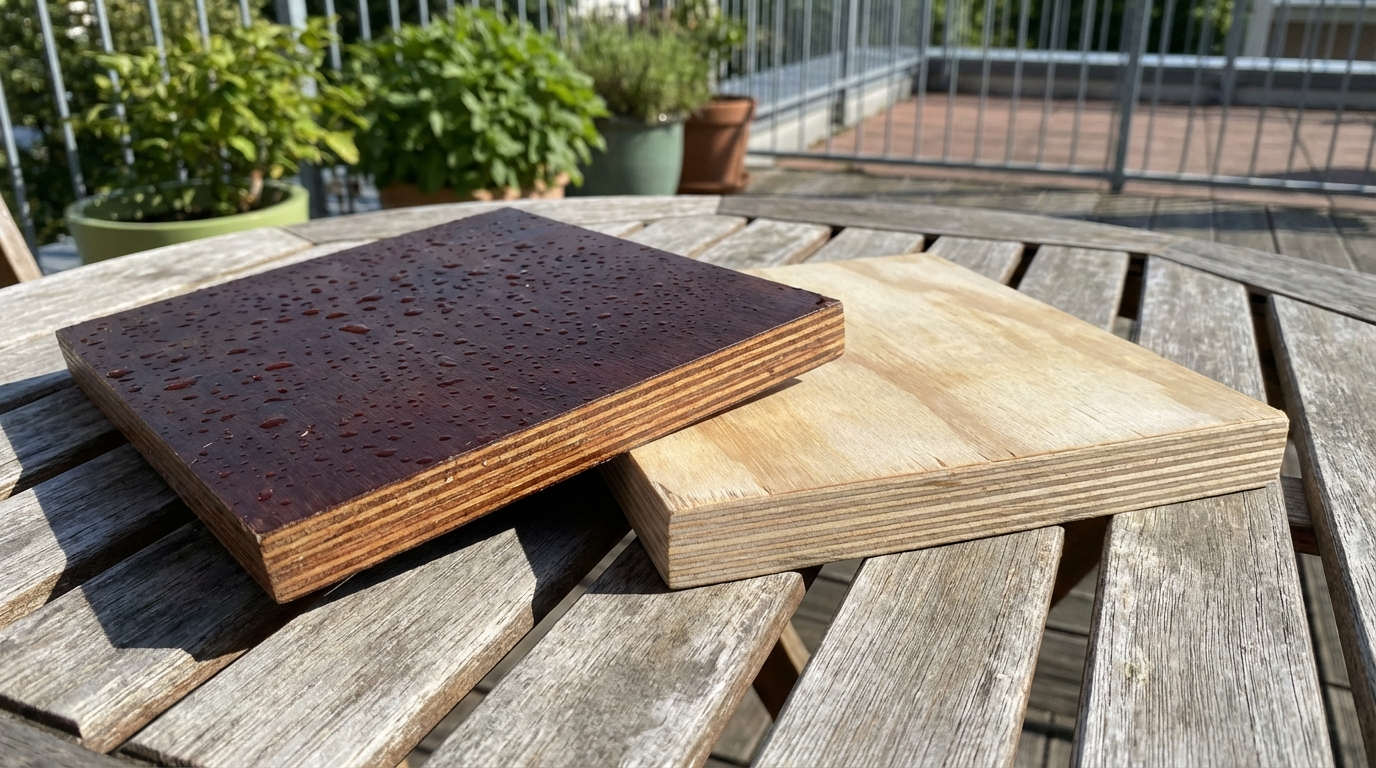
BWP, often termed marine plywood, uses phenolic resins for full waterproofing. Ideal for room wardrobes and bathroom vanities where steam exposure is routine. In India, ISI-certified BWP from hardwoods like gurjan core offers superior screw-holding—critical for hinges on frequently opened doors. Drawback: Higher upfront cost due to imported face veneers, but lifecycle savings from reduced replacements in 5-7 year hotel refresh cycles.
BWR Plywood: Balanced Option for Controlled Environments
BWR employs urea-formaldehyde with moisture modifiers, resisting short boils but not immersion. Suits air-conditioned lobbies or executive suites with lower humidity. Contractors favor it for cost efficiency in mid-tier hotels in drier Delhi-NCR, pairing with laminate overlays for spill protection. Limitation: Edges need meticulous sealing; unsealed units warp in Rajasthan summers exceeding 45°C.
HDHMR and Engineered Alternatives: Modern Contenders
High-Density High-Moisture-Resistant (HDHMR) boards, denser than plywood (850+ kg/m³), excel in flat-pack furniture like modular headboards. They machine cleanly for intricate lobby reception desks but lack plywood's natural flexibility for curved elements. Use where fire ratings matter—HDHMR meets basic IS:5509 norms better than untreated plywood.
Application-Specific Recommendations: Rooms vs. Lobbies
Hotel zones dictate plywood specs. Rooms prioritize concealed durability; lobbies emphasize visible elegance under harsh use.
| Area | Recommended Plywood | Thickness Range | Key Features | Why It Fits Indian Hotels |
|---|---|---|---|---|
| Guest Rooms (Beds, Wardrobes) | BWP Marine | 18-25 mm | Teak/oak face, gurjan core, full waterproofing | Resists bathroom vapor, guest spills; holds heavy linens and luggage |
| Room Partitions/Cabinets | BWR or HDHMR | 12-18 mm | Pre-laminated options | AC-controlled; cost-effective for bulk fit-outs in chains like OYO |
| Lobbies (Tables, Counters) | BWP with veneer finish | 19-25 mm | Hardwood face, edge-banded | Endures cleaning chemicals, trolley impacts; premium sheen for 24/7 visibility |
| Restaurant/Banquet Furniture | BWR reinforced | 16-22 mm | Flame-retardant additives | Handles food spills, high turnover in wedding venues |
Finishing Touches for a Luxury Aesthetic
Premium looks demand 0.6-1.2 mm veneers in quarter-cut teak for chatoyancy under lobby lights. Laminate overlays (1.0 mm thick) on BWR cut costs while mimicking wood grains. In India, UV-polished PU coatings (matt/semi-gloss) protect against turmeric stains from banquet services, maintaining gloss over 3-5 years.
Factors Driving Plywood Performance in Humid Indian Conditions
India's climate—90%+ RH in monsoons—forces plywood choices beyond grades. Core material matters: Poplar swells easily; hardwood cores like teak resist compression. Testing via BIS methods (boil test, screw withdrawal) reveals fakes; genuine high-grade holds 200+ cycles without delamination.
- Glue Line Uniformity: Multiple thin lines outperform thick ones for shear strength in furniture joints.
- Veneer Quality: IS-grade faces (S1/S2) minimize telegraphing—plywood texture showing through finishes.
- Environmental Fit: Southern hotels need full BWP; northern ones can tier down to BWR with dehumidifiers.
Cost Considerations and Value Analysis for Hotel Projects
Plywood costs scale with grade, thickness, and face quality—BWP runs 1.5-2x BWR due to resin and core premiums. Regional variations: Coastal dealers charge 20-30% more for humidity-tested stock; bulk contractor buys yield 10-15% discounts. Lifecycle math favors high-grade: A mid-tier hotel replacing MR ply yearly vs. BWP every 5 years offsets initial outlay.
| Grade | Relative Cost | Durability Span (Hotels) | Best For |
|---|---|---|---|
| MR | Baseline | 1-2 years | Avoid; temporary setups |
| BWR | 1.3-1.6x | 3-5 years | Budget rooms/lobbies |
| BWP | 1.8-2.5x | 7+ years | Luxury zones, heavy use |
Procurement Logic for Architects and Contractors
Specify ISI marks and test certificates; reject visual-only grades. Dealer ecosystems in hubs like Bhubaneswar or Indore offer cut-to-size services, reducing waste. For chains, centralized tenders ensure consistency across properties.
Installation and Maintenance Best Practices
Proper assembly amplifies plywood life. Use SS hinges (avoid iron rusting in humidity); D3/D4 adhesives for joints. Maintenance: Wipe with pH-neutral cleaners; re-seal edges annually. In high-use lobbies, schedule bi-annual inspections for ply separation.
Common Pitfalls and How to Avoid Them
- Underspeccing Thickness: 12 mm warps under bed slats; always load-test prototypes.
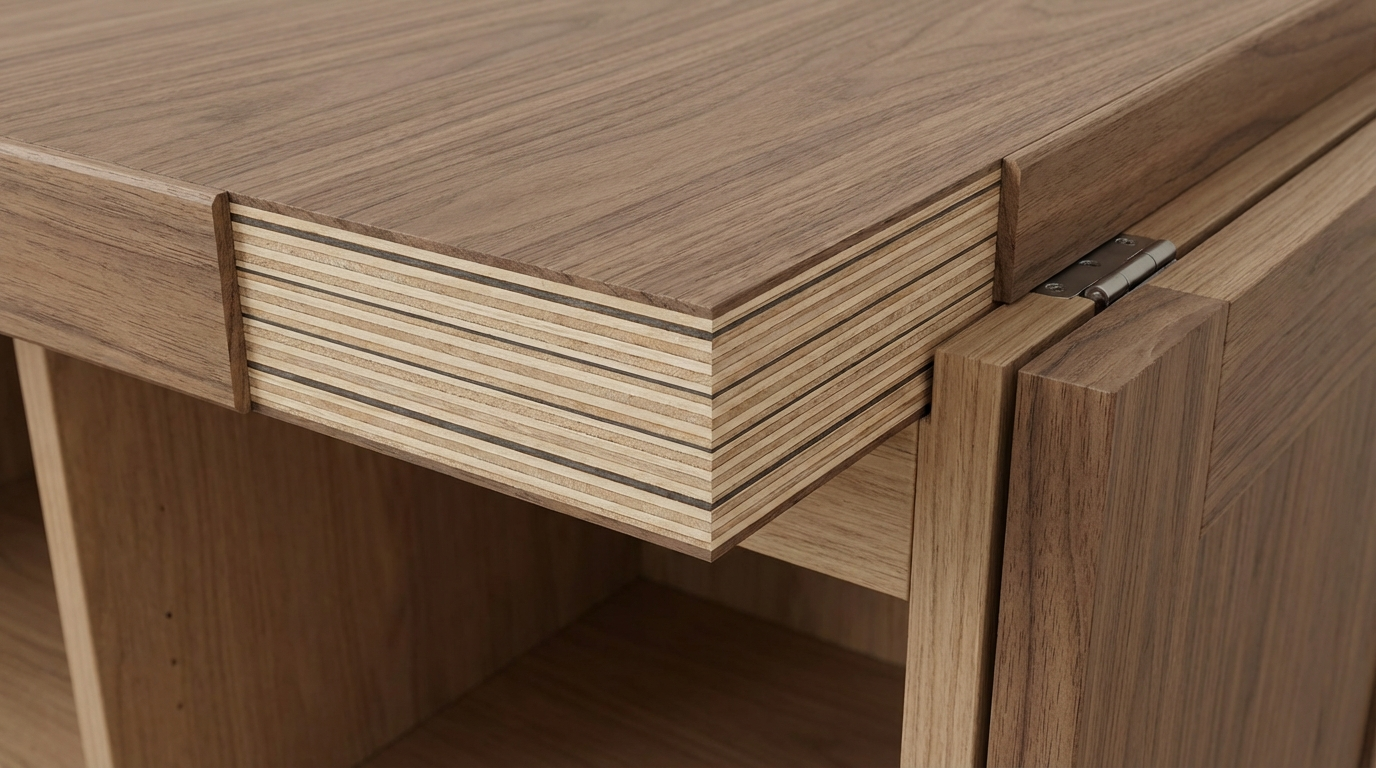
- Ignoring Edge Treatment: Exposed edges delaminate first—band with matching veneer.
- Fake Certifications: Verify BIS holograms; cross-check with lab tests for boil resistance.
Decision Framework: Selecting Plywood for Your Hotel Project
Weigh traffic volume, budget, and zone humidity. For 4-5 star properties, default to BWP across rooms; tier to BWR for economy segments. Consult local architects for hybrid specs—e.g., HDHMR cores with plywood faces. This approach aligns durability with India's variable hospitality demands, ensuring furniture outlasts economic cycles.
Related guides on PlyPrice
Want Plywood Suggestions?
Share a few details and a PlyPrice specialist will suggest suitable brands and connect you to responsive dealers.