Best Plywood for Home Furniture: Beds, TV Units, Tables and Wardrobes
The best plywood for home furniture depends on the piece and the room: dry bedroom and living room furniture can use good MR or BWR grade, while dining tables and kitchen-adjacent units are safer in BWR. Termite treatment is non-negotiable everywhere.
Why Plywood Selection Shapes Long-Term Furniture Durability in Indian Homes
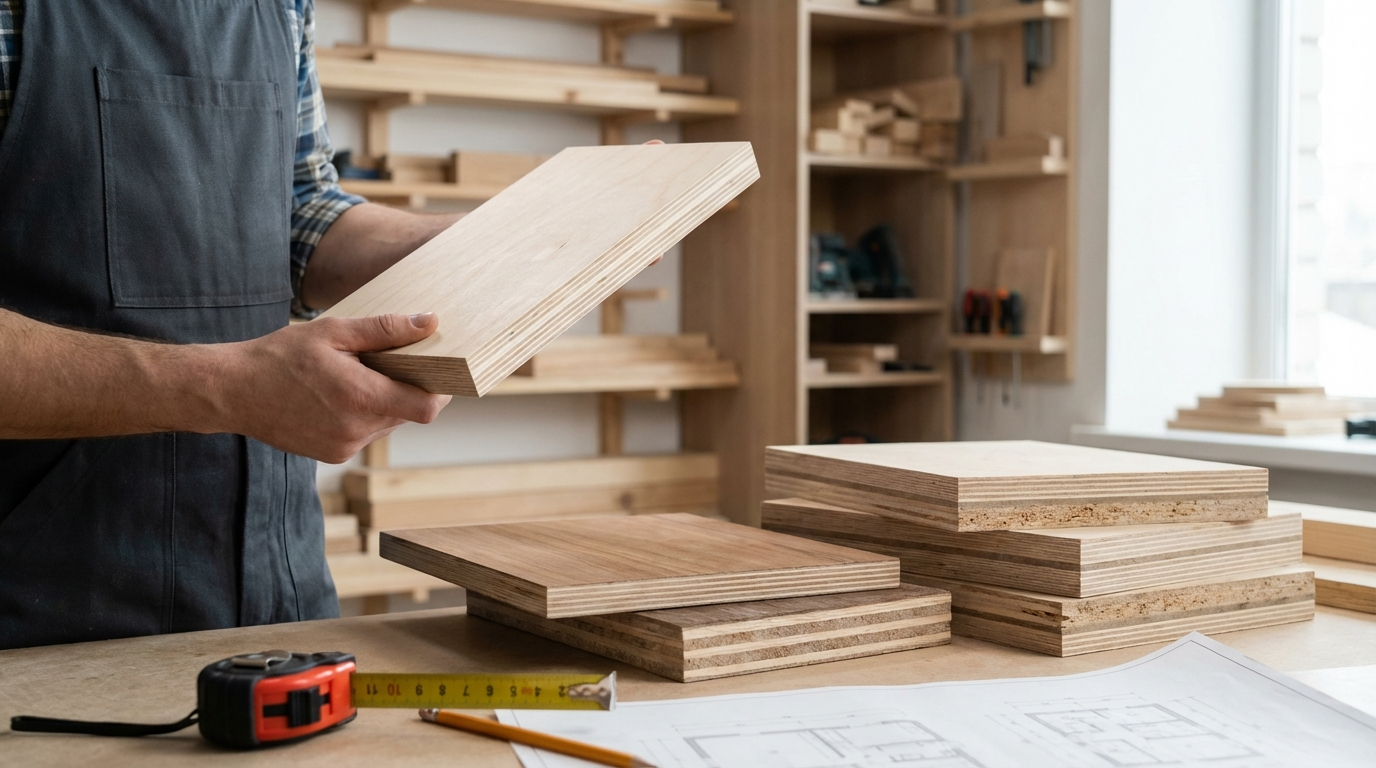
In India's diverse climates—from coastal humidity to inland dry heat—home furniture faces constant stress from moisture fluctuations, daily wear, and occasional spills. Selecting plywood isn't just about initial appearance; it's a decision rooted in how the material responds to these conditions over years. Homeowners often prioritize surface-level aesthetics, but contractors and interior designers focus on core properties like glue line integrity and face veneer quality. This guide breaks down plywood choices by room and furniture type, using practical logic tied to Indian usage patterns, without pushing any single grade as universally superior.
Plywood Fundamentals: Grading and Properties for Furniture Applications
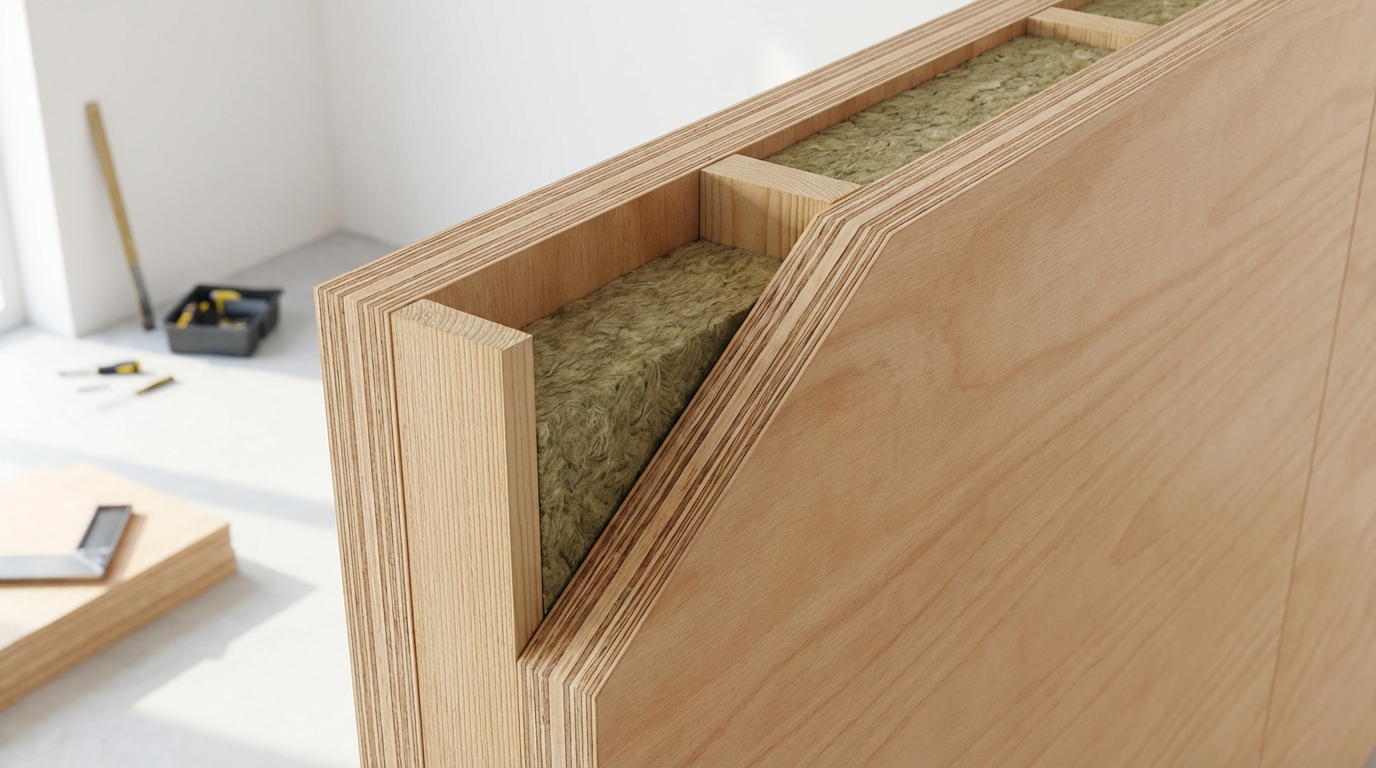
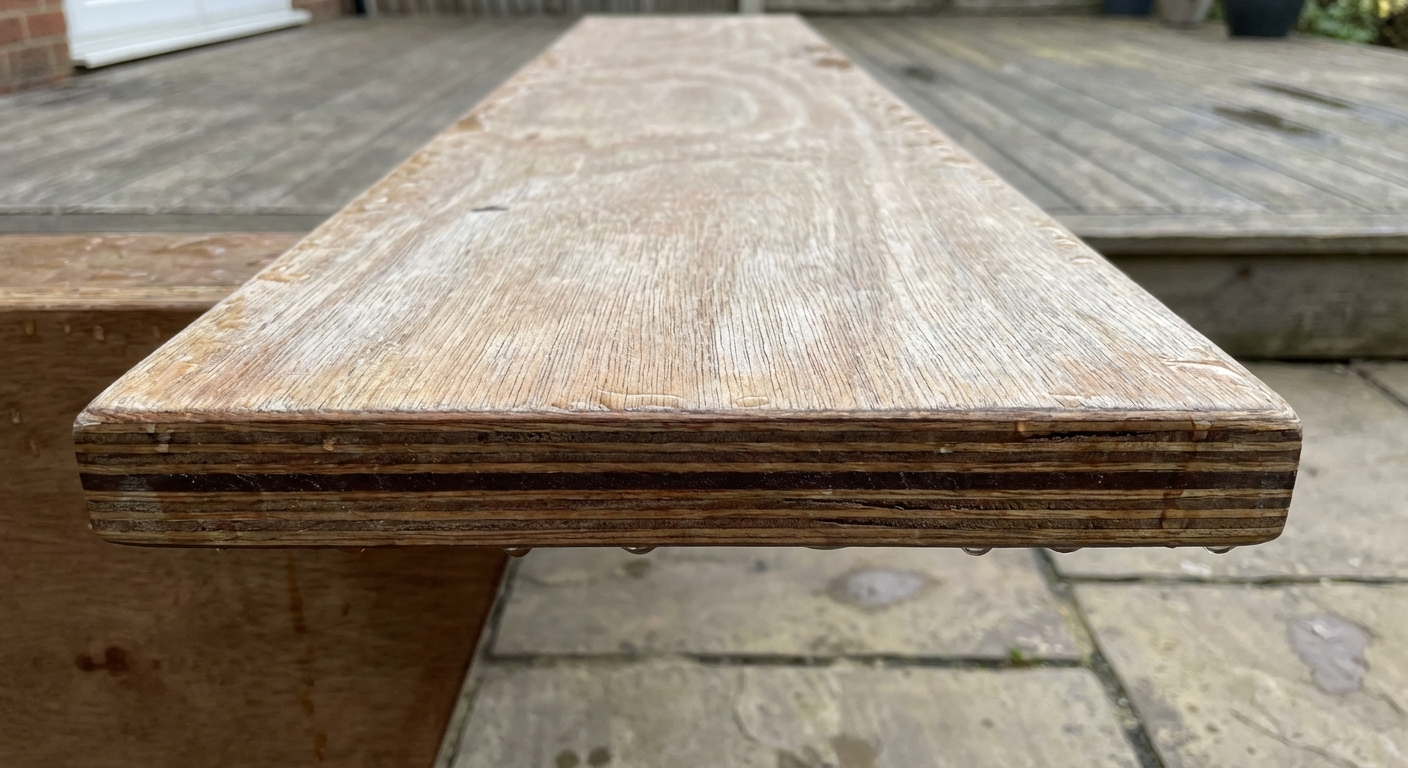
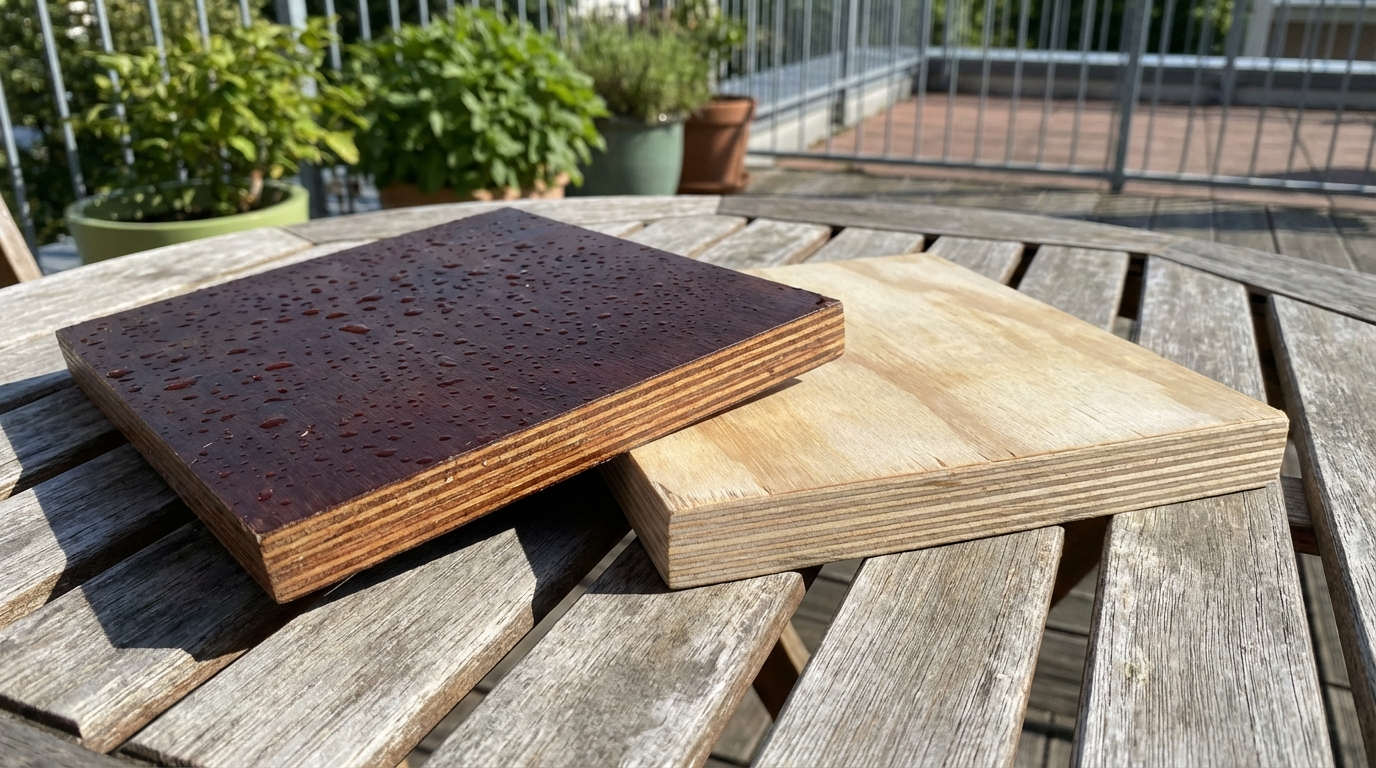
Plywood for furniture derives from thin wood veneers glued under heat and pressure, creating a stable panel. Indian standards classify it primarily by moisture resistance and boiling-water resistance, denoted as MR (Moisture Resistant), BWR (Boiling Water Resistant), and BWP (Boiling Water Proof). These aren't arbitrary labels; they reflect lab-tested glue performance under simulated monsoon soaking or steam exposure.
| Grade | Core Strength | Moisture Tolerance | Ideal Furniture Role | Limitations in Indian Homes |
|---|---|---|---|---|
| MR | Basic (softwood core) | Short-term dampness (e.g., 24-hour submersion) | Low-exposure shelves, partitions | Swells in humid areas like Mumbai; not for spills |
| BWR | Medium (mixed hardwood) | 72-hour boiling cycles | Bed frames, table tops with sealing | May delaminate over 5-7 years in coastal zones |
| BWP | High (hardwood throughout) | Repeated boiling without failure | High-wear TV units, sofa bases | Higher upfront cost; overkill for dry interiors |
Thickness matters too: 18mm for load-bearing frames (beds, sofas), 12mm for panels (doors, sides). Face veneers (0.6-1.2mm) determine polish adhesion, crucial for modular furniture popular in urban India.
Termite and Pest Resistance: A Non-Negotiable Layer
Beyond grades, look for panels treated with preservatives. Untreated plywood invites subterranean termites common in South India, leading to hidden core damage within 2-3 years. Opt for IS:303 compliant boards with added chemicals, verified via dealer test reports.
Bedroom Furniture: Prioritizing Stability for Beds and Wardrobes
Bedrooms demand plywood that withstands body weight (up to 200kg per side), humidity from morning showers, and wardrobe storage of damp clothes. Here, load distribution trumps surface gloss.
Beds: Frame and Baseboard Recommendations
For bed frames, BWR in 18-19mm thickness handles flexing without sagging. Why? The glue lines resist the shear forces from mattress weight and sleepers' movements. In humid Delhi summers or Chennai monsoons, pair it with edge banding to block moisture ingress.
- Platform beds: BWP 18mm core for direct mattress support; avoids middle leg needs.
- Storage beds: BWR with plywood drawers; ensures sliders don't warp.
- Avoid: MR for headboards—polish peels under AC condensation.
Wardrobes follow suit: 18mm BWR carcasses with 12mm doors. Internal shelves use 12mm BWP to prevent sagging under linen stacks. In pest-prone Pune, insist on C-grade cores (fewer knots) for smoother internal finishes.
Common Pitfalls in Bedroom Applications
Many opt for thin MR to cut costs, but it bows under 50kg loads. Test logic: Press the center of a sample panel; deflection over 2mm signals weakness.
Living Room Furniture: TV Units and Sofa Frames Under Spotlight
Living rooms see spills from tea/coffee, direct sunlight fading, and guest traffic. TV units bear electronics weight (30-50kg), while sofas endure seating flex.
TV Units: Balancing Weight and Aesthetics
BWP 18mm is standard for shelves holding TVs and speakers—its density prevents vibrations. In air-conditioned Bangalore homes, BWR suffices if sealed, but coastal Goa demands BWP to counter salt-laden air.
| Component | Recommended Ply | Thickness | Reasoning |
|---|---|---|---|
| Main shelf | BWP | 18mm | 50kg+ electronics; no bowing |
| Sides/backs | BWR | 12mm | Low moisture; cost balance |
| Doors | BWP | 6-9mm | Smooth hinge action; polish hold |
Sofa frames use 19mm BWR for seat bases—strong enough for 4-5 adults. Armrests in 12mm BWP resist scuffs. Upholstery hides the core, but untreated ply leads to squeaks from glue failure.
Humidity's Hidden Impact on Living Room Pieces
In Kerala interiors, unsealed BWR edges absorb moisture, causing panel cupping. Solution: Factory-laminated edges or post-purchase melamine coating.
Dining and Multi-Purpose Tables: Everyday Resilience
Dining tables face hot curries, water rings, and family gatherings. Study tables add book stacks (20-40kg). Durability hinges on surface resistance and leg stability.
Table Top and Leg Choices
18mm BWP tops excel: withstand 2-hour hot utensil exposure without impressions. Legs in 19mm BWR provide rigidity. For extendable dining sets, uniform BWP prevents mismatched warping.
- 6-seater dining: Full BWP; handles monsoon-season steam.
- Coffee/study tables: BWR 15-18mm; sufficient for dry zones like Rajasthan.
- Glass-top hybrids: BWR frame; ply not exposed.
In joint-family homes, opt for reinforced cores to counter heavy steel utensils. Thickness below 15mm risks cracking under point loads.
Sealing Strategies for Table Longevity
Post-assembly PU polish (2-3 coats) amplifies moisture barriers. Annual re-touching extends life by 30% in spill-prone households.
Kitchen Adjacents and Modular Extensions: When Furniture Meets Utility
While not core furniture, wall-mounted cabinets or breakfast nooks blur lines. BWP 18mm mandatory—kitchen vapors mimic boiling tests. In modular apartments, integrate with bathroom vanities using matching grades.
Thickness, Sizing, and Customization Logic
Standard sheets: 8x4 feet. Cut-to-size services suit urban flats, but verify kerf losses (3-5mm per cut). For curved headboards, flexible 6mm BWR veneers bend without cracking.
| Furniture | Frame Thickness | Panel Thickness | Sheet Optimization |
|---|---|---|---|
| Beds/Sofas | 18-19mm | 12mm | 2-3 sheets per queen bed |
| TV Units/Tables | 18mm | 9-12mm | 1 sheet per unit |
Quality Checks at Dealer Yards: Beyond Labels
Labels lie—peel back edges for glue squeeze-out (white residue signals fresh bonds). Tap for hollow sounds (delamination). Sand face: Smooth grains accept veneer overlays.
- Source from BIS-marked mills; regional dealers in Kerala/UP vary quality.
- Avoid water-logged godowns—warped stacks.
- Batch consistency: Test 10% of order.
Cost Dynamics: Balancing Budget and Lifespan
MR starts lowest, BWP 2-3x higher per sheet, driven by hardwood volume and glue (PF vs UF resins). Furniture ROI: BWP lasts 15+ years vs MR's 5, amortizing over time. Regional swings: 20-30% premium in metros due to transport. Dealers quote per sq ft; factor 10-15% waste.
Hybrid approach: BWP cores with BWR faces for 20% savings without compromise. Architects favor this for client budgets under ₹50,000 per room.
Maintenance Routines to Maximize Any Plywood Investment
Dust with microfiber weekly; avoid direct hose cleaning. In termite belts, annual fumigation. Re-polish every 3 years preserves aesthetics.
Decision Framework: Matching Ply to Your Home Profile
| Home Type | Primary Grade | Backup Option | Expected Lifespan |
|---|---|---|---|
| Coastal/Humid | BWP | BWR + sealing | 12-15 years |
| Inland Dry | BWR | MR upgraded | 8-10 years |
| Budget Modular | BWR frames | MR panels | 5-7 years |
This room-by-room logic equips you to brief carpenters confidently, sidestepping common regrets like sagging beds or peeling TV shelves.
Related guides on PlyPrice
Want Plywood Suggestions?
Share a few details and a PlyPrice specialist will suggest suitable brands and connect you to responsive dealers.