Best Plywood for False Ceiling: Light, Sag-Resistant and Screw-Holding
The best plywood for a false ceiling is light enough to hang safely yet stiff enough not to sag, with a core that holds screws for lights, fans and edges. In humid regions, moisture management matters as much as weight.
Why False Ceilings Rely on Specific Plywood Properties
False ceilings, a staple in Indian homes and offices, transform open spaces by concealing wiring, improving acoustics, and adding design layers. In India's diverse climates—from humid coastal regions to dry interiors—plywood must balance multiple demands. Homeowners prioritize aesthetics and longevity, contractors focus on installation ease, while interior designers seek seamless finishes.
The core challenge: suspended panels endure their own weight plus fixtures like lights and fans. Material choice hinges on density for lightness, core stability for strength, face quality for painting, and bonding for screw retention. Overlooking these leads to sagging over time, especially under monsoons or AC drips.
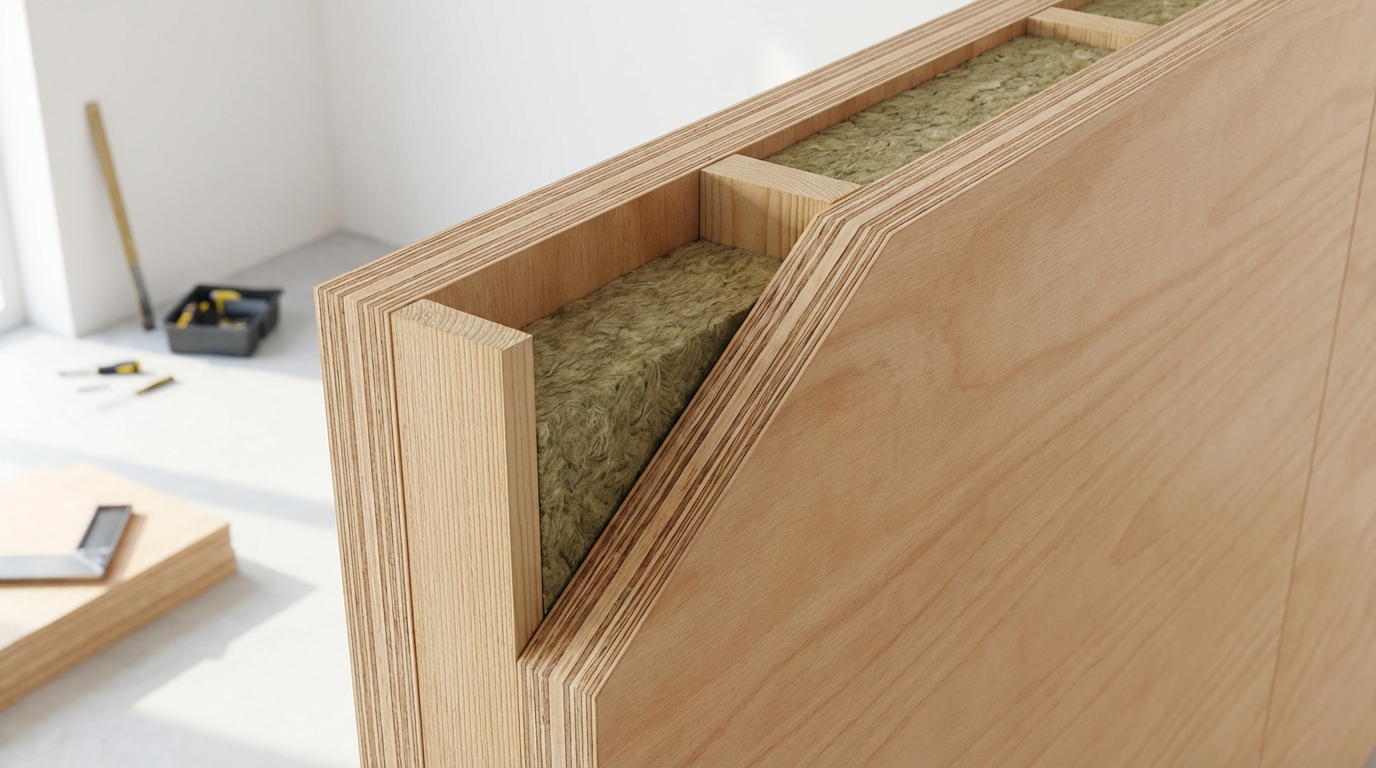
Engineered wood edges out gypsum boards here due to superior screw-holding in humid conditions, but not all plywood qualifies. Prioritize options under 500-600 kg/m³ density to keep the framework light, reducing strain on metal channels.
Essential Traits for False Ceiling Plywood
Lightweight Design Without Compromising Structure
Density drives weight: lower means easier handling during installation on aluminum or GI channels spaced 300-450mm apart. Poplar or eucalyptus cores, common in Indian mills, achieve 400-550 kg/m³, lighter than hardwood alternatives at 650+ kg/m³. This matters in multi-story apartments where ceiling loads affect RCC slabs.
First-principles test: a 4x8 sheet at 5mm should weigh under 15-18kg for solo handling. Heavier variants strain installers, raising labor costs by 20-30% in metro cities like Mumbai or Delhi.
Strength to Prevent Sagging Over Years
Sag resistance stems from uniform core lamination and cross-band strength. Indian standards (IS 303 for MR grade) emphasize minimum modulus of elasticity—think of it as the wood's "springiness" under load. Panels spanning 600mm+ between supports need at least 2,500-3,000 MPa to avoid deflection beyond 1/300th of span.
In practice, multi-layer plies (5-7) with finger-jointed strips distribute stress. Avoid single-veneer boards that warp under humidity swings from 40-80% RH, common in Kerala or Bengal homes.
Screw-Holding Power for Fixtures and Edges
False ceilings host recessed lights, speakers, and cove designs—each demanding 4-6 screws per panel edge. Plywood excels over MDF (which crumbles) due to end-grain fibers gripping self-tapping screws. Ideal pull-out strength: 100-150N per screw in face, 80-120N in edge.
Tip for contractors: Pre-drill 3mm holes; untreated softwood cores hold better than resin-heavy ones, preventing stripping during retrofits.
Moisture Management in Indian Conditions
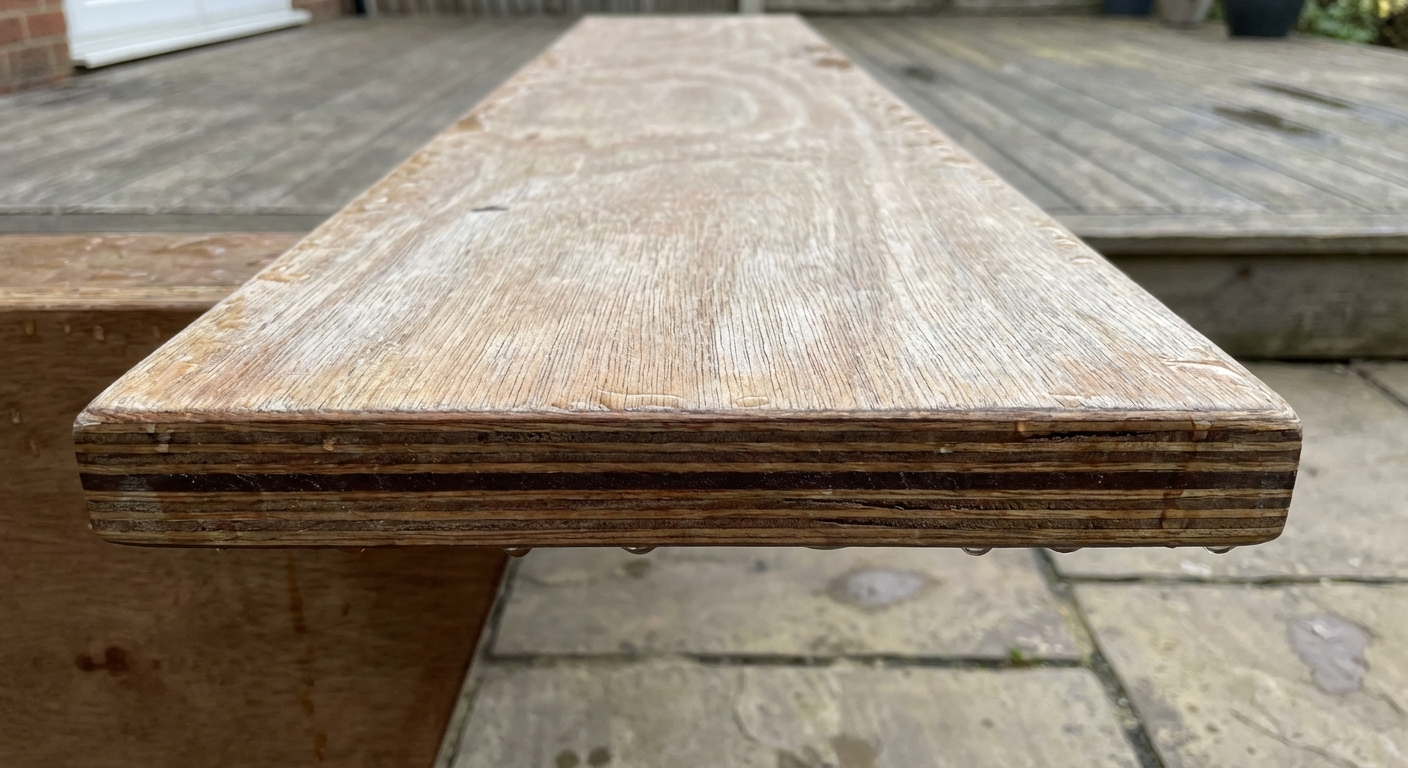
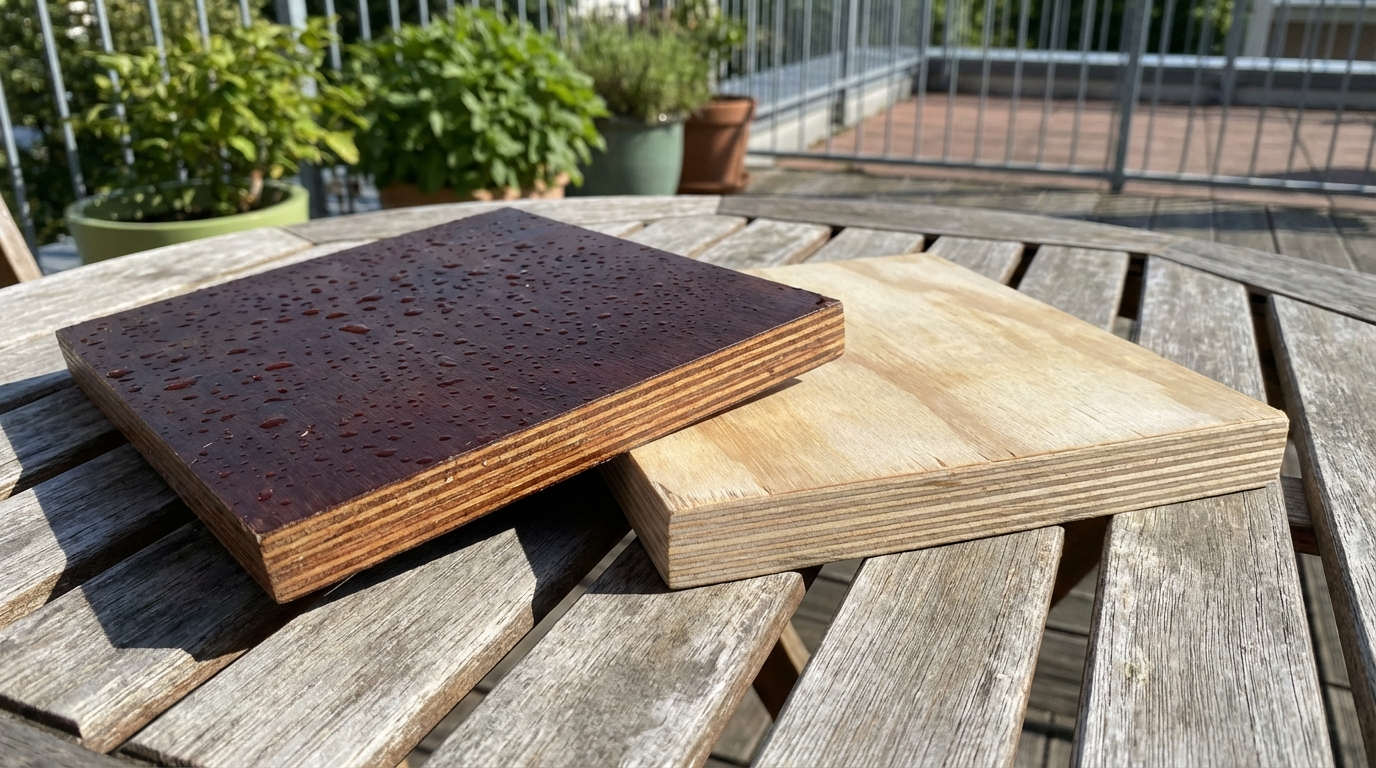
Not fully waterproof—BWP grades overkill and heavy—but BWR (boiling water resistant) suits semi-humid interiors. MR grade works for air-conditioned spaces but delaminates in kitchens or bathrooms without vapor barriers. Look for urea-formaldehyde bonds with low formaldehyde emission (E1/E0) for health-conscious buyers.
Top Plywood Recommendations for False Ceilings
Focus on 4-6mm thicknesses; thinner risks fragility, thicker adds unnecessary weight. Here's a curated selection based on mill practices and field performance:
| Category | Core Material | Density Range (kg/m³) | Best For | Grade | Relative Cost Driver |
|---|---|---|---|---|---|
| Lightest Option | Poplar | 400-500 | Large spans, DIY installs | MR/BWR | Lower due to imported face veneers |
| Balanced Strength | Eucalyptus Mix | 450-550 | Fixtures-heavy designs | BWR | Moderate; regional availability |
| Premium Screw Grip | Hardwood Core (Gurjan lite) | 500-600 | High-end offices | BWR | Higher from denser plies |
| Avoid | Mango/Sheesham | 650+ | Not suitable | N/A | Heavy, prone to sag |
Poplar leads for 70% of urban false ceilings—light, paints evenly, sourced from North Indian mills. Eucalyptus suits South India for cost parity with local timber.
Thickness Guide by Span and Load
- 300-450mm channels, no fixtures: 4mm suffices, saving 15-20% material.
- 450-600mm spans or fans: 5mm mandatory.
- 600mm+ or recessed lights: 6mm with edge supports.
Architects note: Undersizing by 1mm doubles sag risk in 2-3 years under thermal expansion.
Comparing Plywood to Alternatives
| Material | Weight (per sqm at 5mm) | Screw Hold | Sag Resistance | Humidity Tolerance | India Cost Relative |
|---|---|---|---|---|---|
| Plywood (Poplar) | Light (2-3kg) | Excellent | High | Good (BWR) | Baseline |
| Gypsum Board | Very Light (1-2kg) | Poor (needs anchors) | Medium | Fair | 10-20% lower |
| MDF | Medium (4-5kg) | Fair | Low | Poor | Similar |
| HDHMR | Medium-Heavy | Good | Medium | Excellent | 20-30% higher |
Plywood wins for screw-dependent designs; gypsum cheaper for plain ceilings but fails with add-ons. HDHMR denser, better for cabinets but overkill here.
Installation Realities in Indian Projects
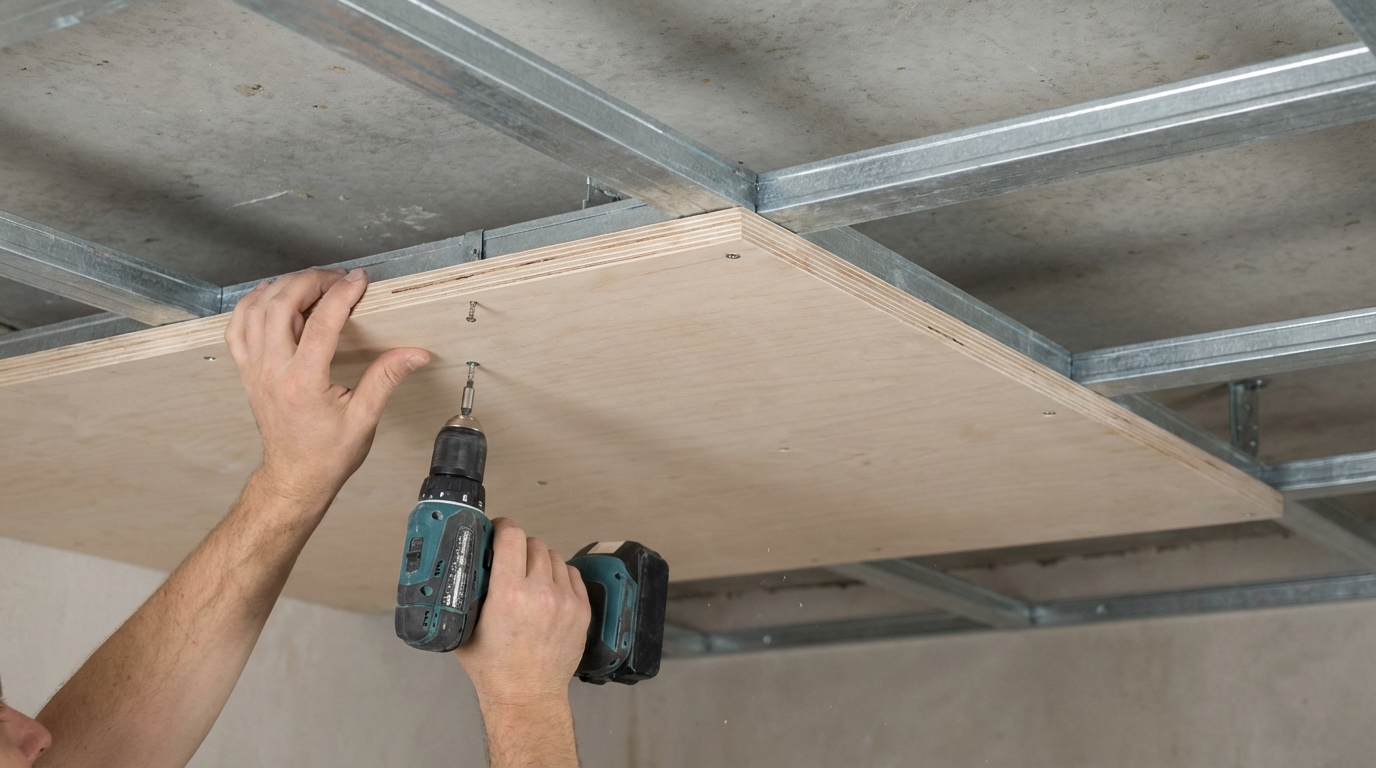
Channels at 400mm c/c, plywood joints staggered 150mm. Use 1.5" wood screws at 150mm intervals. In humid zones, prime both sides with oil-based sealer to block moisture migration.
Contractor pitfalls: Skipping ISI 303/710 marks leads to 20% failure rate. Test sample: Soak edge 2hrs—no delam. Dealers in Tier-2 cities push ungraded stock; verify core via edge inspection.
How Pricing Varies Across India
Expect baseline for 5mm BWR poplar: influenced by veneer import (10-15% swing), mill location (North cheaper by 5-10%), and dealer margins (retail 20% over wholesale).
- Metro (Delhi/Mumbai): Higher logistics, premium faces.
- South (Chennai/Bangalore): Abundant eucalyptus, competitive.
- East/North-East: Local poplar, lowest but quality variance.
Volume buys drop 15%; compare per-sheet landed cost including transport. Avoid "economical" labels—often single-ply fakes.
Buyer Decision Framework
For Homeowners
Assess room humidity and span. Budget 10-15% of interior fitout for material. Insist on lab-tested samples from dealer.
For Contractors/Architects
Spec BWR 5mm poplar, density certified. Factor 5-year warranty clauses. In monsoons, add polythene sheeting during storage.
Red Flags to Avoid
- Visible core gaps or uneven plies.
- No edge sealing on samples.
- Missing BIS hallmark (IS 303 for MR, 710 for BWR).
Long-Term Performance Factors
Post-install: Ventilation prevents condensation. Repaint every 3-5 years. In coastal areas, BWR extends life 2x over MR. Track via annual tap-test: Dull thud signals delam.
ROI logic: Lightweight choice cuts framework steel by 10-15kg per 100sqft, offsetting material cost.
False Ceiling Plywood Selection Checklist
- Thickness: 4-6mm based on span.
- Core: Poplar/eucalyptus under 550kg/m³.
- Grade: BWR for most; MR if dry.
- Test: Screw pull-out, 24hr humidity exposure.
- Source: ISI-marked, dealer with returns.
This framework equips you to select plywood that stays taut, grips securely, and weathers India's conditions—delivering value without excess weight or cost.
Related guides on PlyPrice
Want Plywood Suggestions?
Share a few details and a PlyPrice specialist will suggest suitable brands and connect you to responsive dealers.