Best Plywood for Doors
Making doors? Learn which plywood or blockboard works best. Tips on waterproofing, weight, and preventing warping in main & bathroom doors.
Door Construction Basics: Why Material Choice Matters in Indian Conditions
In Indian homes and buildings, doors endure daily wear from humidity swings, dust, and frequent use. Main entrance doors face direct weather exposure during monsoons, while interior and bathroom doors battle trapped moisture and temperature shifts. Selecting the right core material—plywood or blockboard—directly impacts longevity, stability, and maintenance costs. Flush doors, the standard in most urban apartments and bungalows, rely on these engineered woods for a flat, paintable surface. The decision hinges on balancing dimensional stability against weight and cost, especially in regions like coastal Maharashtra or Kerala where relative humidity often exceeds 80%.
Flush Doors Explained: The Role of Plywood and Blockboard Cores
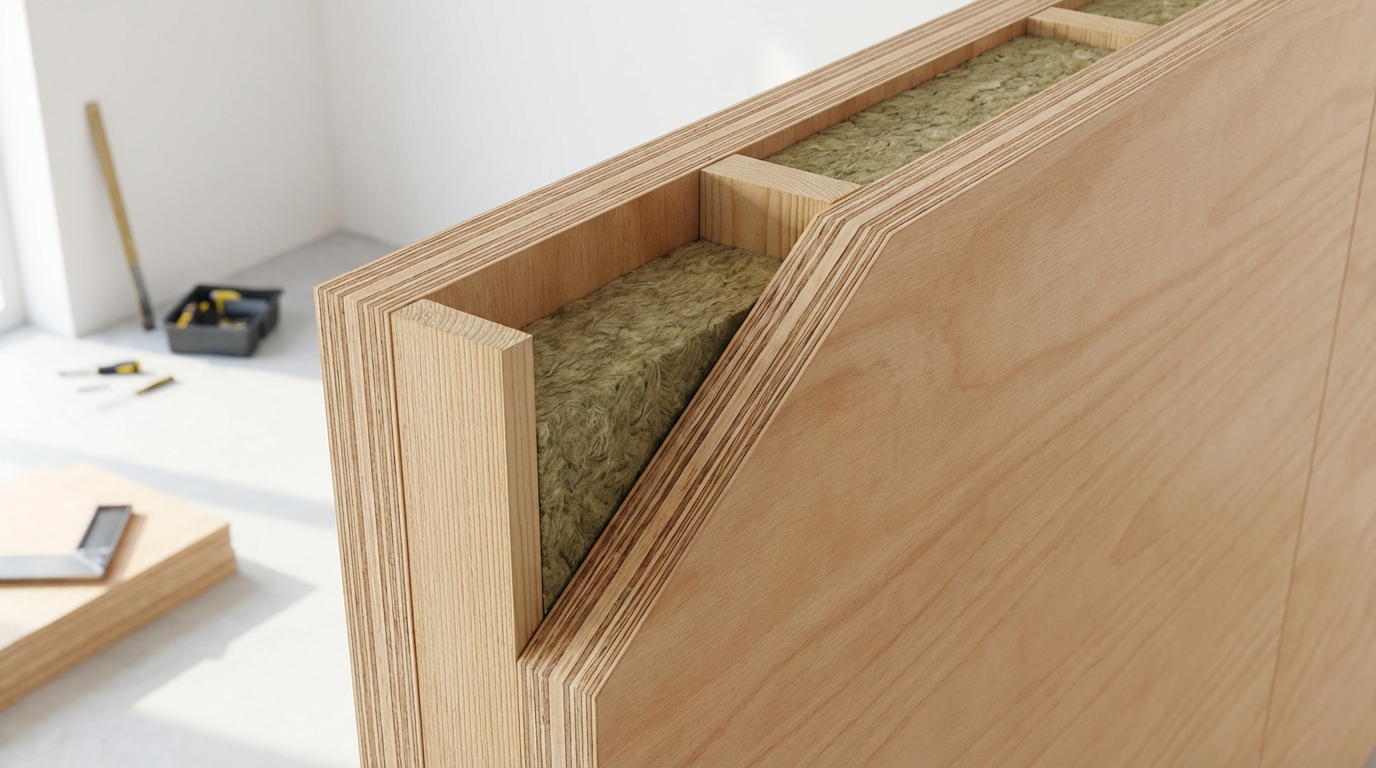
Flush doors consist of a lightweight frame, solid core for rigidity, and thin veneer faces for finishing. Unlike panel doors with stiles and rails, flush designs prioritize smooth aesthetics and ease of installation in modular interiors. In India, 90% of residential doors are flush types due to their affordability and compatibility with veneer or laminate overlays.
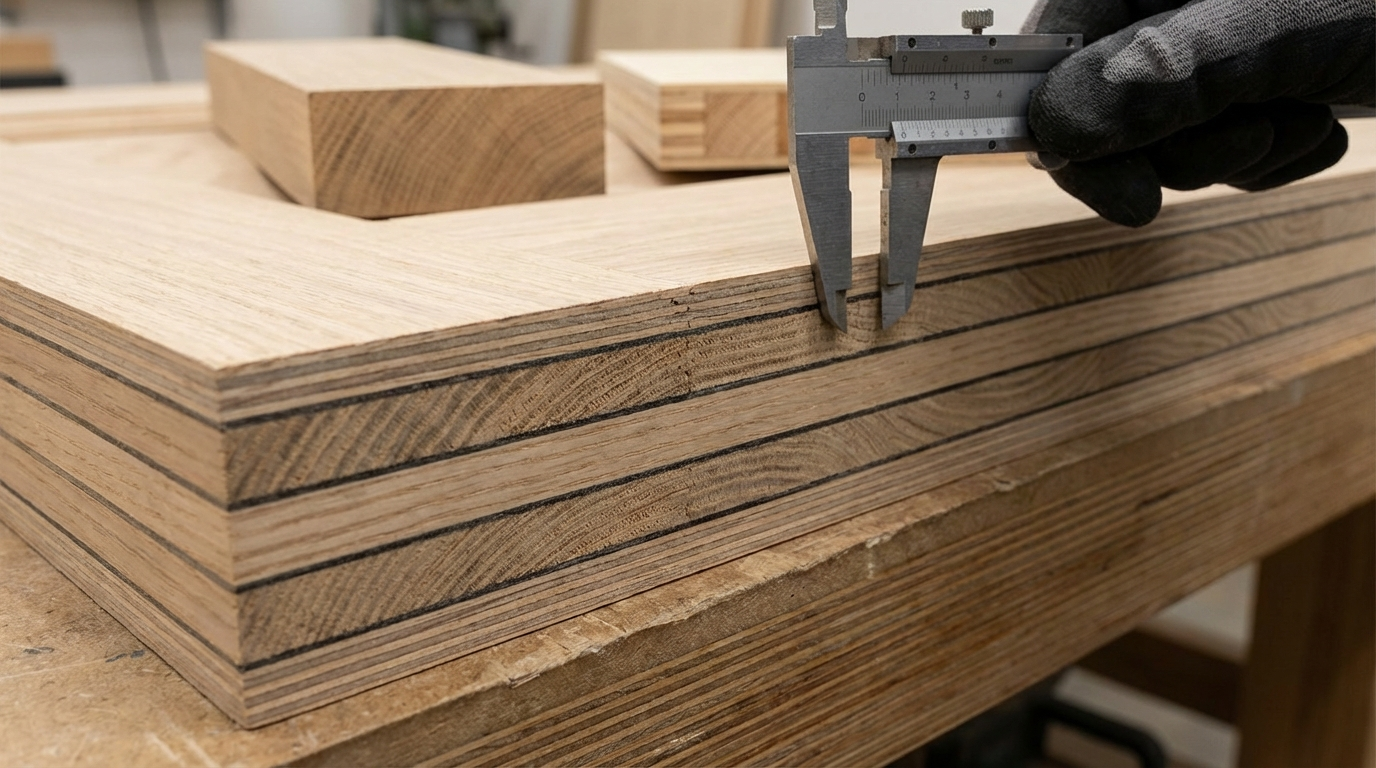
Plywood cores use multiple thin veneer layers glued cross-grain for strength. Blockboard employs wide softwood strips (like eucalyptus) edge-glued into a slab, then faced with plywood. Both prevent sagging under their own weight, but their performance diverges in moisture-prone setups.
Structural Breakdown of Flush Door Components
- Core (70-80% thickness): Provides bulk and screw-holding strength for hinges and locks.
- Frames (perimeter): Pine or salwood battens for edge protection.
- Faces: 3-6mm plywood veneers, often pre-laminated.
- Adhesives: Synthetic resins determining moisture resistance.
Plywood vs Blockboard for Doors: A Side-by-Side Analysis
Contractors often debate plywood's uniformity against blockboard's proven track record in door manufacturing. Plywood offers tighter construction with minimal voids, ideal for high-rise apartments where doors must resist twisting from uneven settling. Blockboard, cheaper per square foot, suits budget projects but risks delamination if strips shift.
| Aspect | Plywood Core | Blockboard Core |
|---|---|---|
| Composition | 5-13 cross-laminated veneers (poplar/eucalyptus) | 25-30mm wide softwood strips + face veneers |
| Weight (per sqm, 30mm thick) | Lighter by 10-15% due to thin layers | Heavier, increases hinge stress |
| Screw Holding | Superior (even distribution) | Good centrally, weaker at edges |
| Warping Resistance | High (cross-bands balance expansion) | Moderate (depends on strip quality) |
| Cost Driver | Layer count and glue grade | Strip width and density |
| Best For | Premium interiors, frequent handling | Economical main doors |
From first principles, plywood's orthogonal grain orientation counters bidirectional swelling—veneers expand laterally while compressing longitudinally, netting near-zero net movement. Blockboard strips, aligned parallel, mimic solid timber's vulnerability to cupping in humid cycles.
Optimal Choices for Main Entrance and Interior Doors
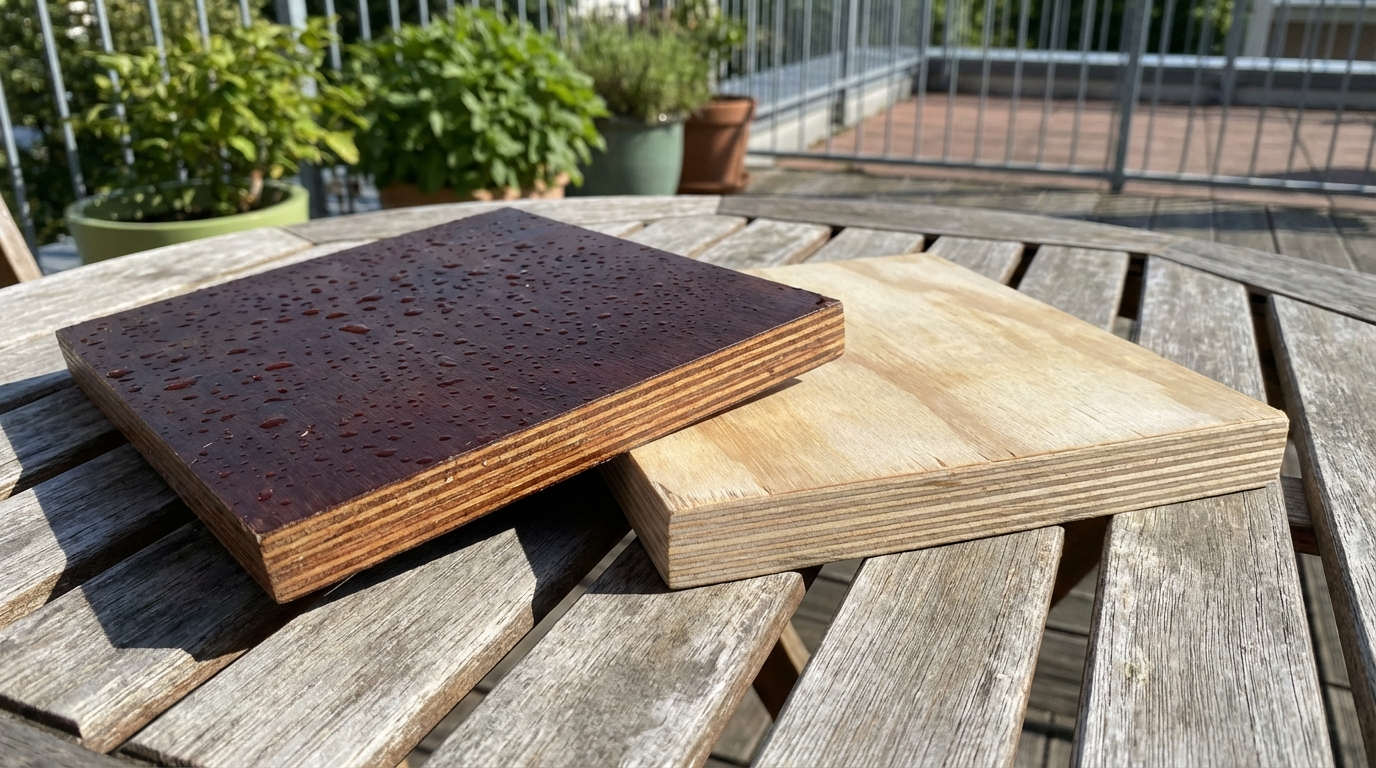
Main doors demand robustness against rain splashes and heat. Boiling Water Resistant (BWR) grade plywood, per IS:303 standards, handles 72-hour submersion without delamination, outperforming Moisture Resistant (MR) options that fail post-monsoon. For interiors, MR suffices if sealed properly, but upgrading to BWR adds 20-30% lifespan in steamy kitchens or corridors.
Blockboard shines here for its solid feel—homeowners perceive it as "sturdier." Pair it with kiln-dried strips (moisture content <12%) to minimize initial shrinkage. In North India’s dry winters, this combo prevents cracking; South India contractors favor it for quick assembly in labor-short sites.
Regional Variations in Main Door Preferences
Coastal buyers lean toward denser cores to combat salt-laden air; inland opt for lighter weights to ease transport. Architects specify 30-35mm thickness for fire-rated doors, where blockboard's uniformity aids compliance.
Waterproofing Strategies for Bathroom and Moisture-Heavy Doors
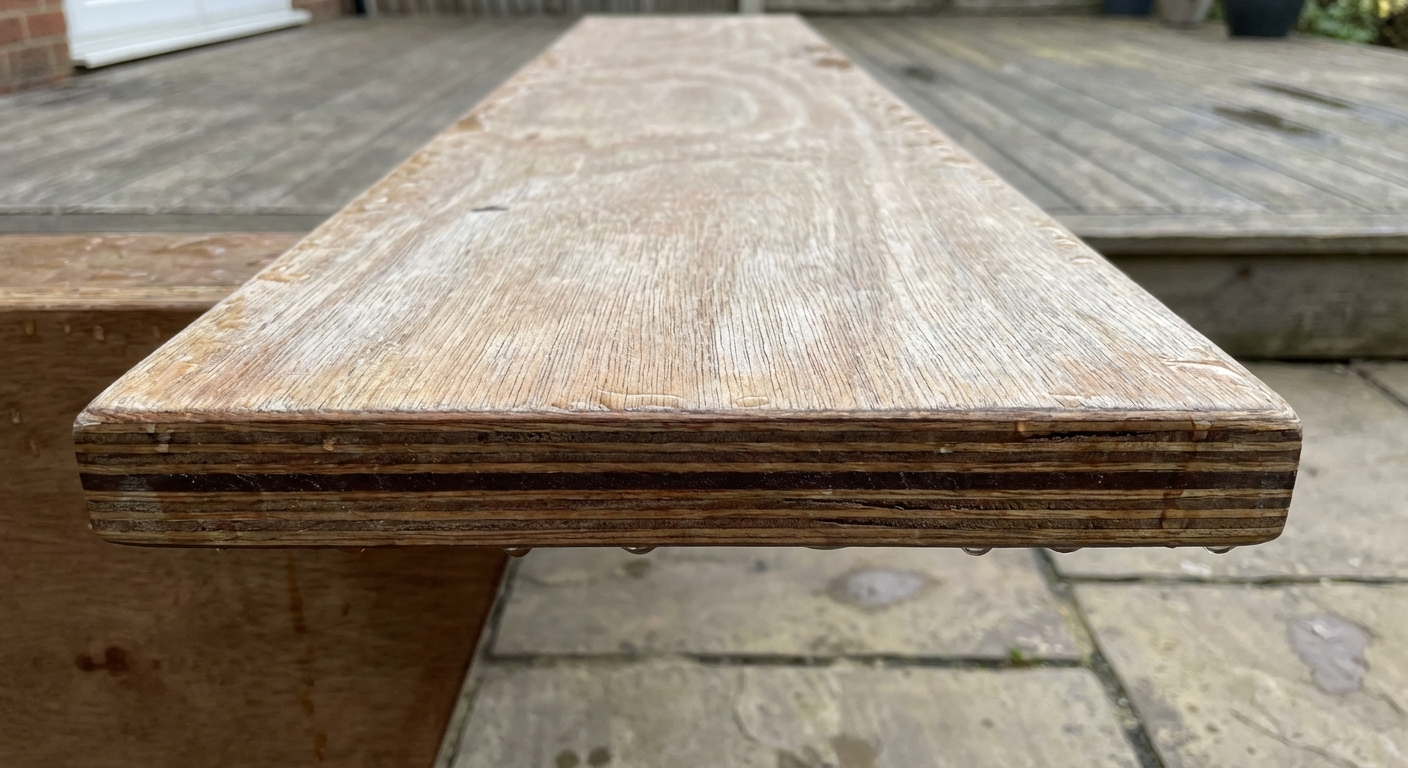
Bathroom doors trap steam, demanding Boiling Water Proof (BWP) or marine-grade plywood. These use phenolic resins surviving 4-hour boils, unlike urea-formaldehyde in MR grades that hydrolyze above 70% RH. Blockboard struggles here—strips absorb water edgewise, swelling 5-8% faster than plywood layers.
Enhance any core with edge sealing: Apply two coats of polyurethane varnish before framing. For ultimate protection, embed doors in PVC lipping, common in Mumbai high-rises.
| Door Location | Recommended Core | Glue Grade | Thickness | Extra Protection |
|---|---|---|---|---|
| Main Entrance | BWR Blockboard or Plywood | BWR | 32-35mm | Metal oxide primer |
| Interior | MR Plywood | MR | 28mm | Laminate overlay |
| Bathroom | BWP Plywood | BWP | 30mm | Epoxy edge sealant |
Managing Weight: Lighter Doors Without Sacrificing Strength
Heavy doors strain hinges and complicate installation—critical for elderly-accessible homes under RERA norms. Plywood cores shave 2-4kg per door versus blockboard, easing DIY fits in retrofits. Yet, undensified poplar plywood risks denting; specify 550+ kg/m³ density for balance.
Weight reduction tactics:
- Hybrid cores: Blockboard center with plywood wings.
- Thinner faces (2.5mm) on rigid frames.
- Paulownia veneers for ultra-light premium builds.
Contractors note: Lighter doors cut labor by 15-20%, vital in tier-2 cities with rising wages.
Preventing Warping: Engineering Stability from the Core Out
Warping stems from differential moisture absorption—faces swell faster than cores, bowing the panel. Plywood mitigates via balanced construction; each veneer layer offsets the next. Blockboard requires tight strip gluing (<2mm gaps) and balanced faces.
Proven fixes:
- Pre-treatment: Kiln-dry to 8-10% MC; acclimate onsite 48 hours.
- Assembly logic: Frame doors square (<1mm diagonal variance); use cross-bracing.
- Finishing: Oil-based paints seal better than waterborne in humid zones.
- Installation: 10mm clearance top/bottom for ventilation; adjustable hinges for settling.
In practice, doors warp 2-3x faster without these, per field observations in Delhi-NCR sites post-winter rains.
Testing for Warping Risk Before Purchase
Tap test: Uniform thud indicates void-free core. Weigh sample: Excessive lightness flags low-density fillers. Flex ends: Minimal deflection (<5mm under hand pressure) signals strength.
Manufacturing Insights for Custom Door Builders
Small workshops dominate India's door market. Sequence: Core cutting → frame notching → glue-up under clamps (24hr cure) → sanding → lipping. Use hydraulic presses for even pressure, avoiding hand-clamping inconsistencies. For BWP doors, steam-cure adhesives at 100°C for cross-linking.
Common pitfalls: Undersized frames lead to core exposure; mismatched veneers cause telegraphing under paint.
Dealer and Site Buying Guide: Spotting Quality
Dealers stock MR blockboard cheapest, BWP plywood priciest—expect 1.5-2x markup retail vs wholesale. Verify BIS certification (IS:1659 for blockboard, IS:303 for plywood); faded holograms signal fakes. Demand cut samples: Check glue lines (golden-brown for BWR), no resin lumps.
Purchasing logic:
- Homeowners: Prioritize BWR+ for 15+ year life; avoid mill-grade rejects.
- Contractors: Bulk-buy MR for volume; negotiate 10% off for 50+ sheets.
- Architects: Spec core density >600kg/m³; insist on lab reports.
Regional pricing drivers: Transport from Punjab mills hikes South rates 15-20%; monsoon stockpiles inflate spot prices.
Long-Term Performance: What Field Data Reveals
In 5-10 year audits, BWP plywood doors retain flatness 85% better than MR blockboard in bathrooms. Main doors fare evenly if sealed, but coastal failures trace to untreated edges. Emerging HDHMR cores promise density without weight, though adoption lags at 5% market share.
ROI calculation: Initial 25% premium on quality cores saves repainting/replacement costs tripling over a decade.
Frequently Asked Questions on Door Plywood Choices
Is blockboard better than plywood for flush doors?
Blockboard offers value for solid-core feel in main doors; plywood edges ahead in uniformity and weight for interiors.
Which plywood grade for waterproof bathroom doors?
BWP exclusively—MR or BWR degrade within 2 years under steam.
How to reduce door weight without compromising durability?
Opt for high-density thin-ply plywood or hybrid designs; test hinge load capacity.
Can regular plywood be made waterproof for doors?
Partial success via heavy sealing, but core saturation limits it—reserve BWP for reliability.
What causes most door warping in Indian homes?
Uneven moisture from poor sealing and monsoon exposure; balanced construction counters it effectively.
Want Plywood Suggestions?
Share a few details and a PlyPrice specialist will suggest suitable brands and connect you to responsive dealers.