Best Plywood for Dining Table: Moisture-Resistant Grades That Take Polish
The best plywood for a dining table is a moisture-resistant grade with a stable core and a smooth face, because daily spills, hot dishes and monsoon humidity make basic boards swell or delaminate. It should also take veneer or polish cleanly.
Last updated: . Grades and standards checked against current BIS standards.
Understanding the Unique Demands of Dining Tables on Plywood
In Indian households, dining tables serve as the heart of family gatherings, enduring daily spills from chai, curries, and festive feasts. Unlike wardrobe shutters or wall panels, these surfaces face constant exposure to liquids, heat from hot dishes, and mechanical stress from plates and elbows. Plywood selected here must prioritize moisture resistance to prevent swelling or delamination, while offering a stable base for veneers or polishes that enhance aesthetics. Homeowners and interior designers often overlook how ambient humidity—peaking during monsoons in coastal regions like Mumbai or Kolkata—amplifies these risks, leading to premature warping if inferior grades are used.
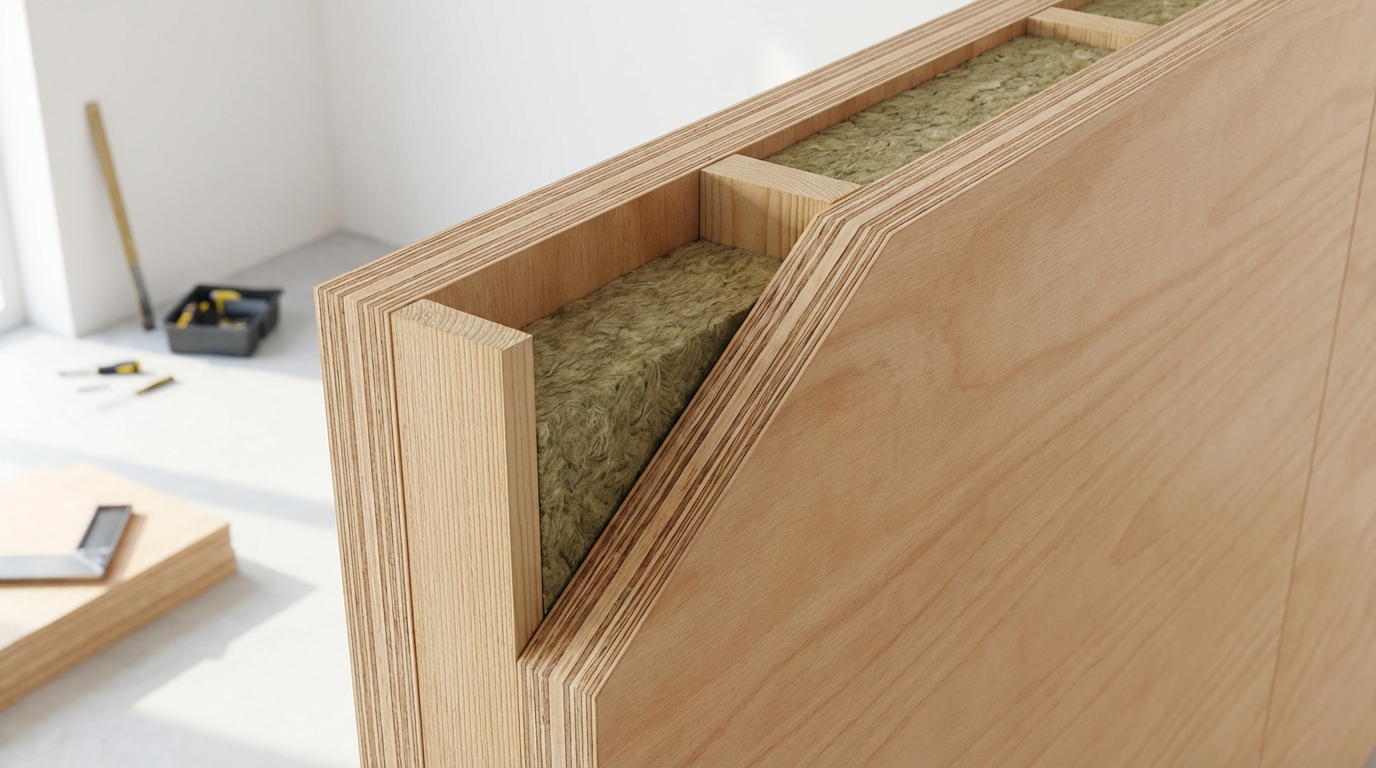
From a materials science perspective, plywood's layered construction relies on glue lines bonding veneers. Water infiltration weakens these bonds, causing layers to separate. For dining tables, the top surface bears the brunt, demanding grades engineered for repeated wetting and drying cycles without compromising integrity.
Essential Properties for Plywood in Dining Applications
Moisture Resistance: The Primary Defense Against Spills
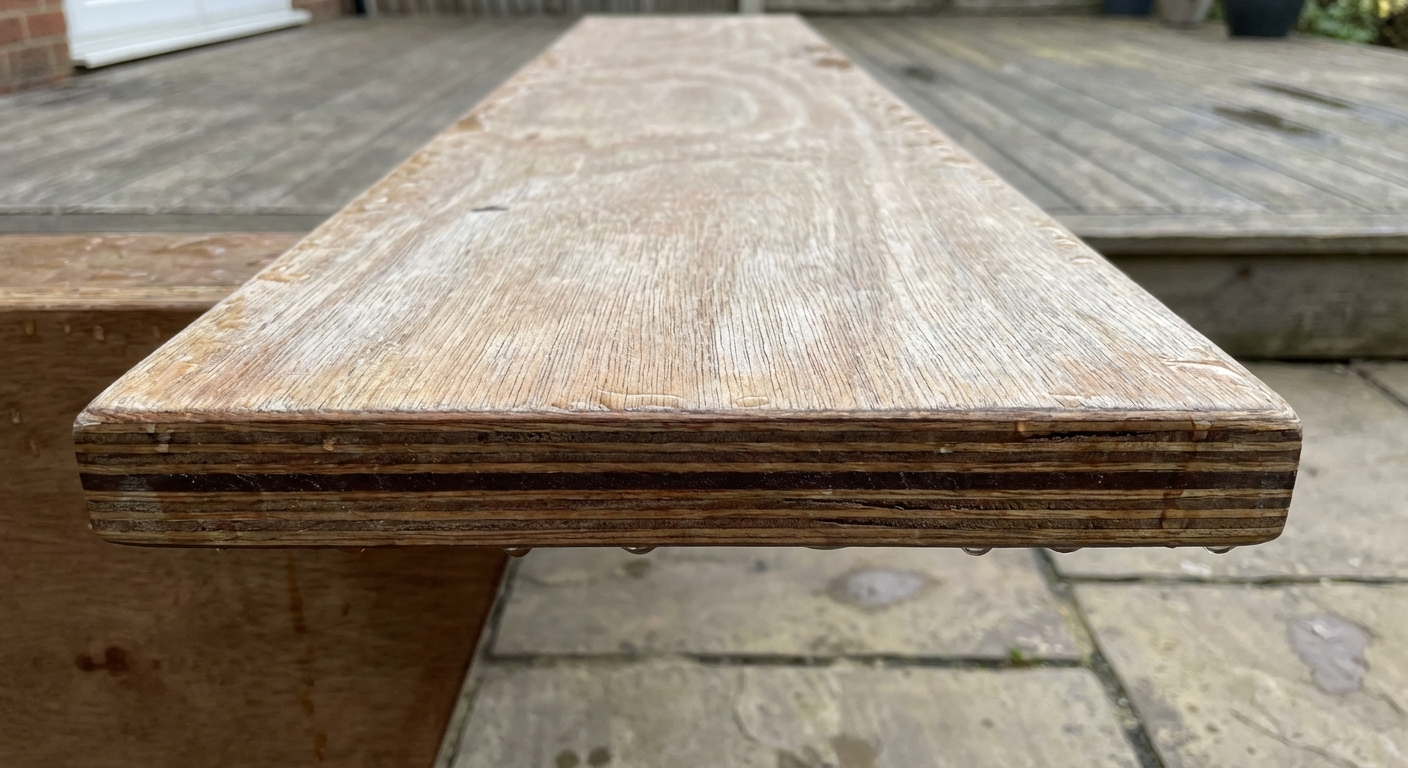
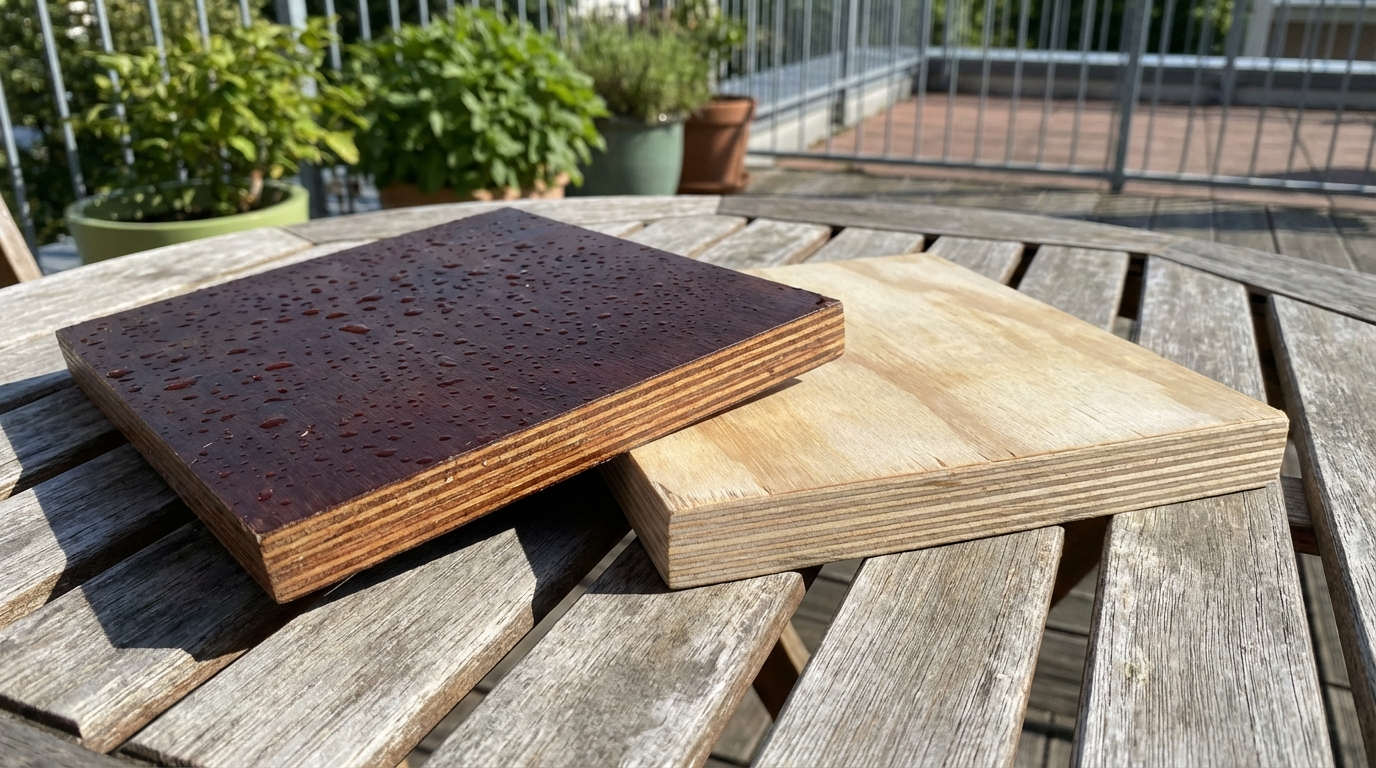
Spills are inevitable—think dal tadka splashing during lunch or wet glasses from summer coolers. Boiling water resistant (BWR) or boiling water proof (BWP) grades outperform moisture-resistant (MR) plywood here. BWR withstands short-term boiling without delaminating, ideal for tabletops wiped frequently but not submerged. BWP goes further, resisting prolonged boiling, suited for high-humidity zones or households with young children prone to accidents.
In practice, test a sample by pouring water and observing after 24 hours. MR grades may bubble or soften edges, while BWR/BWP maintain flatness. Indian Standards Institute (ISI) certification (IS:303 for MR, BWR and BWP; IS:710 for marine) verifies this via soak and boil tests, though enforcement varies by mill, so always check markings on edges.
Structural Stability for Long-Term Durability
A dining table spans 4-6 feet, supporting 100-200 kg during meals. Plywood must resist sagging under load, especially in 18-25 mm thicknesses common for tabletops. High-density hardwood plywood (HDHMR) or marine-grade options provide superior screw-holding strength, preventing loose hinges on extendable tables.
Factors like core composition matter: poplar core offers lightness but lower density; hardwood core (e.g., eucalyptus-gum mixes prevalent in South India) delivers rigidity. In seismic-prone areas like Gujarat, stability reduces vibration transmission, enhancing user comfort.
Surface Suitability for Polish and Veneer Finishes
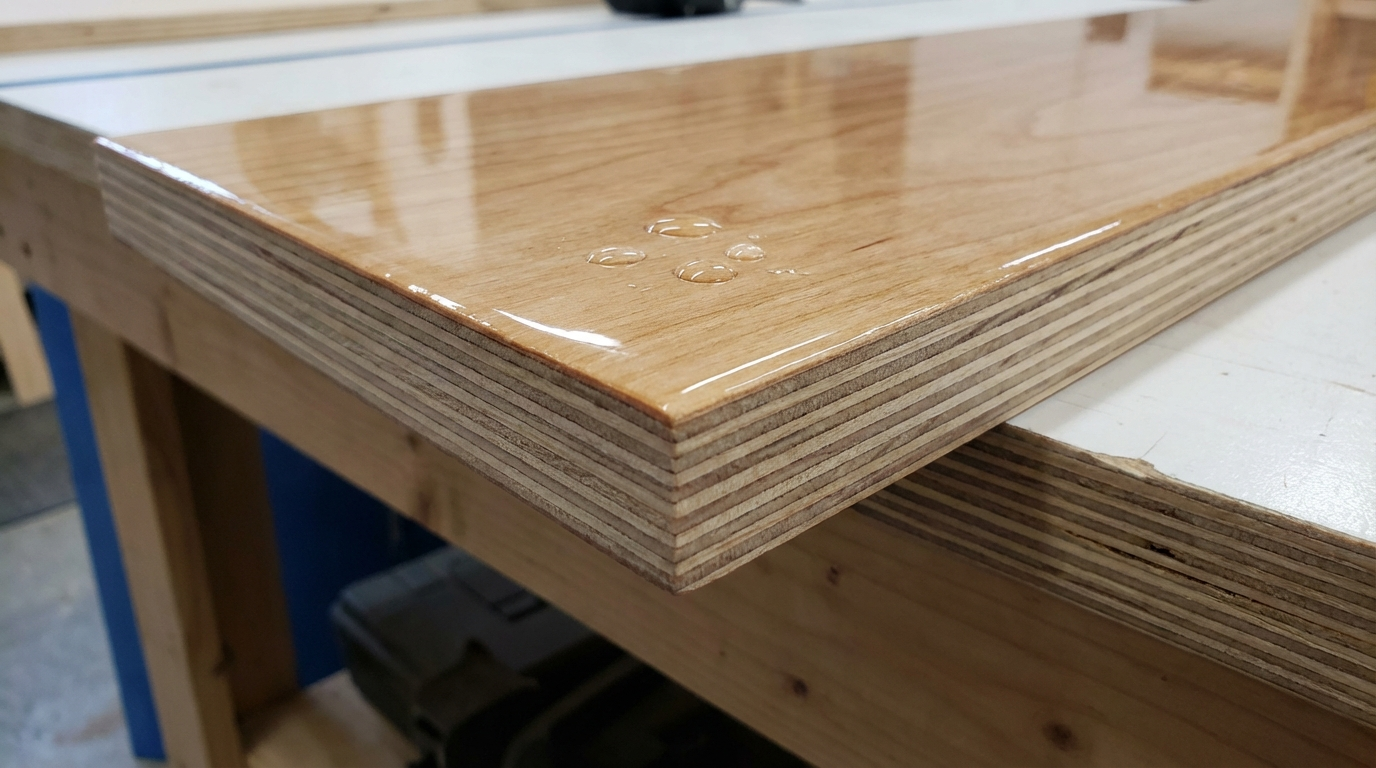
Dining tables demand a smooth, uniform face for melamine polish, PU finishes, or teak/oak veneers—staples in modular furniture showrooms. Plywood with consistent veneer thickness (1.5-3 mm face) sands evenly, minimizing polish absorption inconsistencies that lead to patchy shines.
Veneer adhesion thrives on BWR/BWP due to resilient glue lines. In humid Kerala homes, MR grades under veneer may telegraph moisture damage as bubbles. Opt for pre-sanded (calibrated) sheets to cut finishing time for carpenters, ensuring a glass-like polish after 3-4 coats.
Top Recommended Plywood Grades for Dining Tables
Based on performance metrics rather than brand hype, prioritize BWR for most urban homes and BWP for premium or coastal setups. Here's a breakdown:
| Grade | Moisture Resistance | Best For | Finish Compatibility | Typical Thickness Range | Cost Relative to MR |
|---|---|---|---|---|---|
| MR (Moisture Resistant) | Moderate (short spills) | Budget interiors, dry climates | Good for basic polish | 12-19 mm | Baseline |
| BWR (Boiling Water Resistant) | High (repeated wetting) | Urban dining tables, monsoons | Excellent for veneer & PU | 18-25 mm | 20-40% higher |
| BWP (Boiling Water Proof) | Superior (prolonged exposure) | Premium homes, coastal areas | Optimal for high-gloss finishes | 18-25 mm | 40-70% higher |
| HDHMR | High (engineered density) | Modern minimalist tables | Superior uniformity for laminates | 16-25 mm | 15-30% higher than BWR |
Cost variations stem from glue quality (PF vs UF resins), face veneer species, and regional sourcing—North Indian mills charge less for eucalyptus cores versus South's rubberwood premiums. Dealers in Tier-2 cities like Jaipur offer 10-15% discounts on bulk, but verify ISI stamps to avoid rejects.
Optimal Thickness and Construction Details
For a standard 4x6 ft dining table seating 6-8, 18-19 mm BWR suffices for fixed tops, providing a strength-to-weight ratio that carpenters favor. Extendable designs or heavy marble overlays demand 25 mm to counter deflection.
Layer count influences performance: 13-15 plies in 18 mm ensure even load distribution. Edge banding with matching veneer prevents moisture entry at joints, a common failure point in DIY assemblies. In frame-less construction popular among architects in Bangalore, full-sheet plywood cuts waste and boosts seamlessness.
Core Material Choices and Their Implications
Poplar cores lighten the table for easy relocation but risk denting under hot utensils. Hardwood cores (gurjan or mixed tropical) dominate Indian production for their density, ideal for polished surfaces resisting scratches from cutlery. Avoid softwood cores in spill-prone zones—they compress under sustained weight.
Regional and Climatic Influences in India
India's diverse climates dictate choices: Delhi's dry winters suit MR with edge sealing, but Hyderabad's humidity calls for BWR. Coastal Goa or Chennai homes lean BWP to combat salt-laden air accelerating glue breakdown.
Contractors in Mumbai often specify BWP (IS:303) or marine (IS:710) plywood for builder floors, while Pune homeowners balance with BWR for cost savings. Monsoon testing reveals BWP's edge—MR tables in Kerala interiors show 20-30% more warping after six months.
Practical Buying and Installation Guide
- Assess Usage Intensity: Family of 4-6 with kids? BWR minimum. Occasional use? MR viable with precautions.
- Inspect at Dealer: Tap edges for voids (hollow sound indicates rejects). Check glue lines for even brown color—no white patches signaling urea-formaldehyde weakness.
- Source Wisely: Reputed distributors in industrial hubs like Bhopal or Yamunanagar offer traceability; avoid roadside vendors pushing unbranded stock.
- Finishing Protocol: Sand to 220 grit, apply 2 primer coats, then 3-4 polish layers. Veneer first for textured appeal.
- Maintenance: Wipe spills immediately; re-polish annually in humid areas.
Architects should specify in drawings: "18 mm BWR ISI-certified, hardwood core." This streamlines contractor procurement and minimizes callbacks.
Potential Pitfalls and How to Sidestep Them
Overlooking core quality leads to internal bubbling, visible post-polish. Thin sheets (under 16 mm) bow under center loads—test by placing 50 kg sandbags. Uncalibrated surfaces demand extra sanding, inflating carpenter bills by 10-20%.
Buyers chasing lowest quotes often get MR masquerading as BWR—demand boil test demos at mills. In dealer ecosystems, volume trumps quality; insist on third-party lab reports for high-value projects.
Comparing Plywood to Alternatives for Dining Tables
| Material | Moisture Handling | Finish Versatility | Cost Driver | Drawbacks for Dining |
|---|---|---|---|---|
| Plywood (BWR/BWP) | Excellent | High | Balanced | Requires sealing |
| MDF/HDHMR | Moderate-High | Very High | Lower upfront | Lower screw hold; swells faster |
| Solid Hardwood | Superior (sealed) | Premium | 2-3x plywood | Warps with humidity; heavy |
| Blockboard | Low-Moderate | Moderate | Cheaper | Soft core dents easily |
Plywood strikes the optimal balance for Indian budgets and climates—lighter than solid wood, tougher than blockboard. MDF suits laminate tops but falters under veneer due to density inconsistencies.
Decision Framework for Homeowners, Contractors, and Designers
Homeowners: Prioritize BWR for 80% needs; allocate 15-20% budget premium for longevity.
Contractors: Stock 18 mm BWR sheets—versatile across projects, minimal wastage.
Designers: Pair BWP with live-edge veneers for bespoke luxury; specify density minima in specs.
Ultimately, the "best" plywood aligns plywood's inherent layered strength with your table's exposure profile, ensuring decades of reliable service amid India's variable conditions.
Related guides on PlyPrice
Want Plywood Suggestions?
Share a few details and a PlyPrice specialist will suggest suitable brands and connect you to responsive dealers.