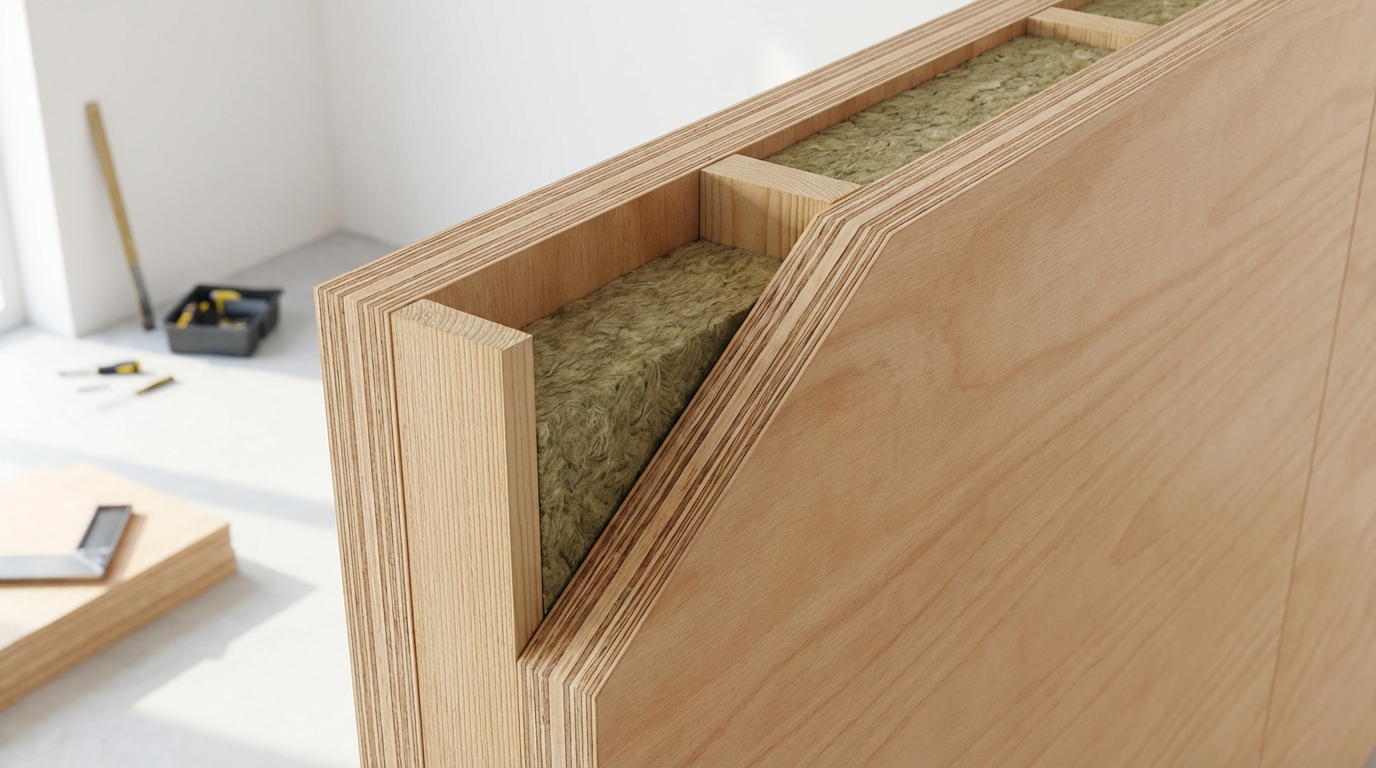
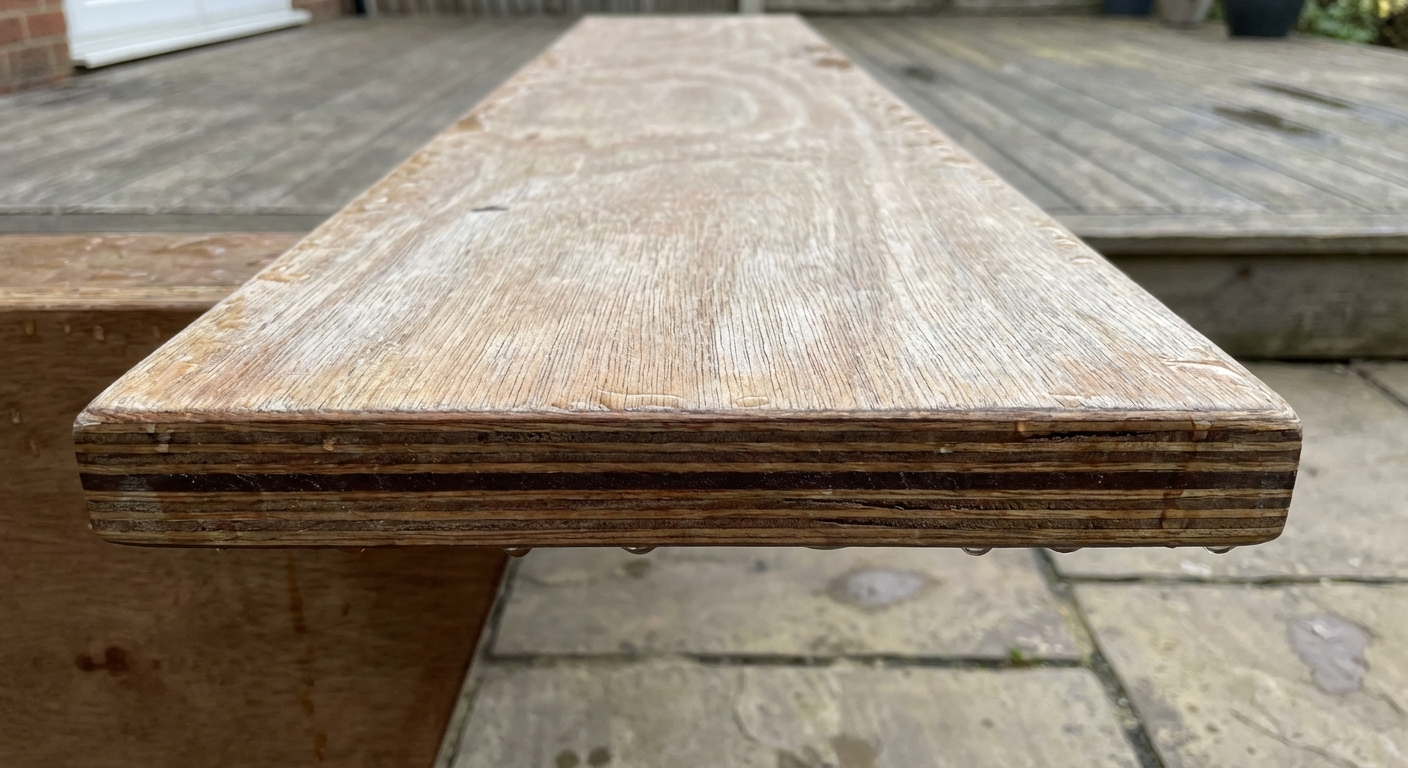
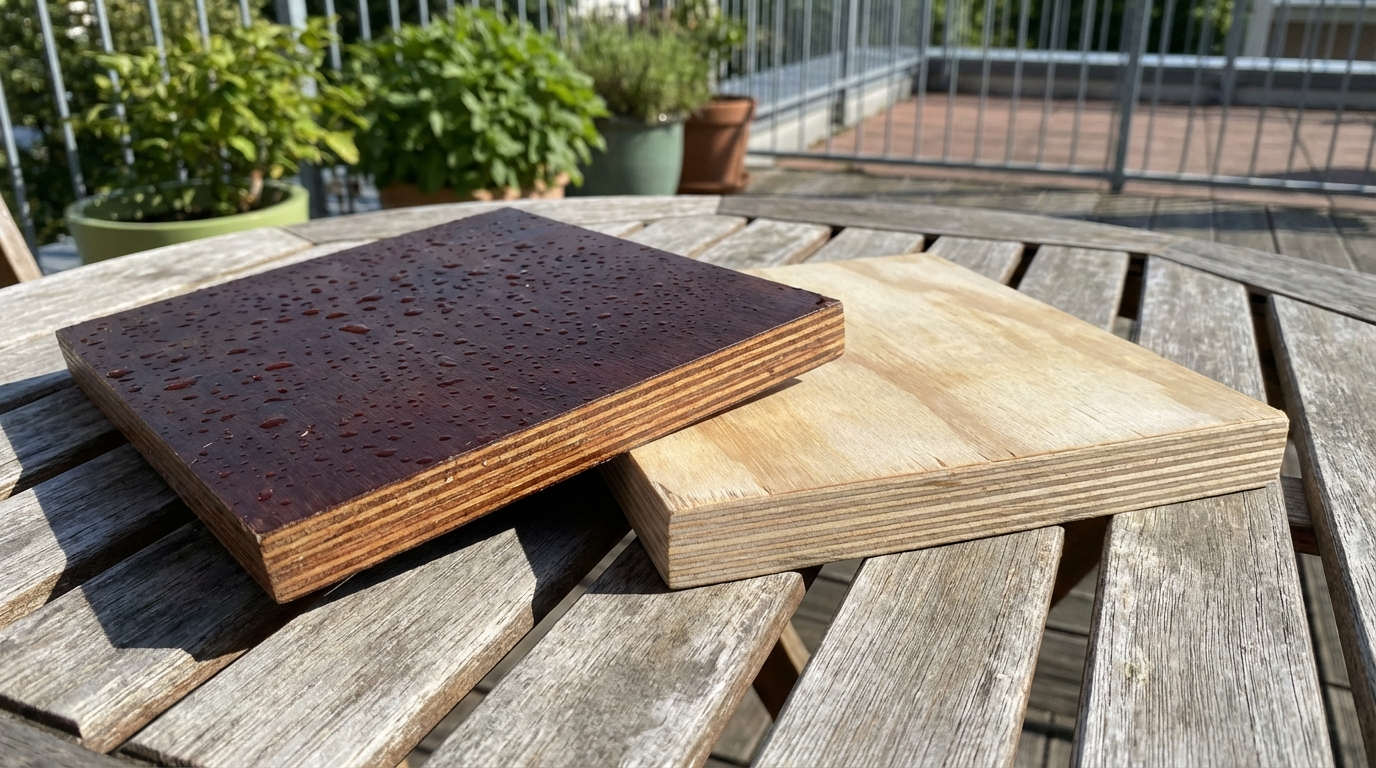
Best Plywood for Commercial Interiors: Offices, Showrooms and Retail
For most dry office and showroom interiors, commercial MR plywood is the baseline, BWR is worth it for busy offices and humid coastal cities, and fire-retardant plywood belongs in public areas where safety rules apply. Pair the core with laminates or veneers that survive heavy footfall.
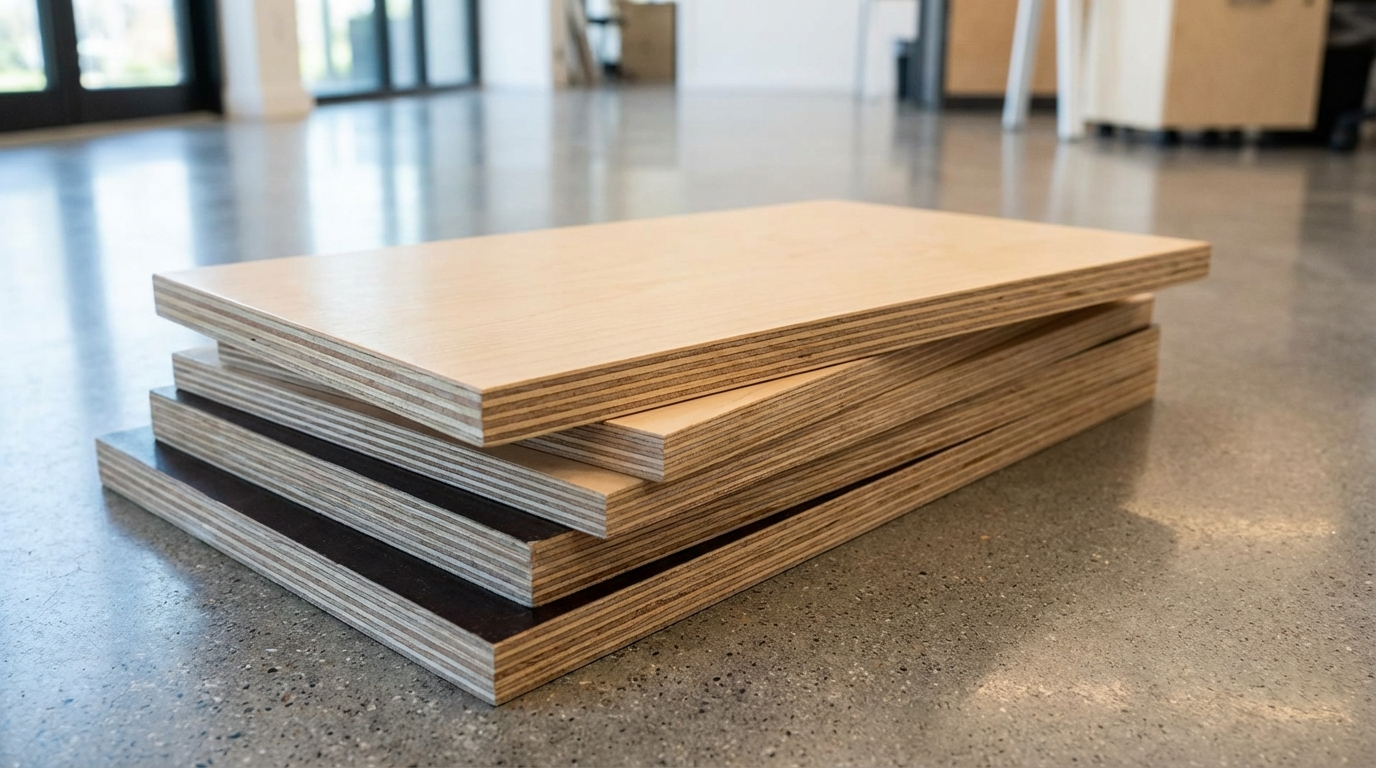
Demands of Commercial Interiors in India
Commercial spaces like offices, showrooms, retail outlets, and conference rooms face unique stresses in India's diverse climates. High footfall from clients and staff accelerates wear on furniture, partitions, and cabinetry. Monsoon humidity in coastal cities such as Mumbai or Chennai tests material stability, while dry heat in Delhi interiors demands resistance to cracking. Architects and interior designers prioritize plywood that withstands daily impacts without compromising visual appeal—think sleek reception desks in showrooms or modular workstations in IT parks.
Buyers in this segment—often contractors or facility managers—evaluate based on lifecycle costs, not just upfront spend. A poorly chosen sheet leads to callbacks, repainting, or full replacements amid tight project deadlines. Fire safety emerges as a critical factor, given National Building Code (NBC) guidelines for public-access areas, pushing demand for treated variants.
Essential Properties for Plywood in High-Traffic Spaces
Effective plywood selection hinges on matching material traits to usage intensity. Structural strength prevents sagging in overhead cabinets or false ceilings. Surface smoothness ensures laminates or veneers adhere without bubbling, vital for branded showroom aesthetics.
- Load-Bearing Capacity: Commercial environments load shelves with files, samples, or inventory—thicker cores (18-19mm) distribute weight evenly.
- Moisture Tolerance: Even interiors encounter spills or AC condensation; boiling water resistance outperforms basic moisture resistance in variable humidity.
- Fire Performance: Retardant treatments limit flame spread, mandatory for occupancy above 500 sqm per local fire bylaws.
- Finish Compatibility: Uniform glue lines and knot-free faces support high-gloss polishes or fabric wraps without delamination.
These traits derive from core composition: hardwoods like poplar or eucalyptus in layered construction provide the backbone, with adhesives dictating performance under stress.
Grading Commercial Plywood: MR vs BWR vs Specialized Options
Commercial MR Plywood: Baseline for Dry Interiors
Moisture-resistant (MR) commercial plywood suits controlled environments like air-conditioned offices. Its urea-formaldehyde glue handles occasional dampness but falters in prolonged exposure. Ideal for vertical panels or drawer bases where aesthetics drive choice—smooth faces accept PU finishes seamlessly.
Thickness matters: 12mm for partitions, 18mm for tabletops. In tier-2 cities like Pune, dealers stock these at volume for cost-sensitive SME offices.
BWR Plywood: Step-Up for Demanding Offices
Boiling water-resistant (BWR) grades use phenolic resins, enduring submersion tests better than MR. This makes them suitable for cafeteria counters or executive cabins prone to beverage spills. Enhanced screw-holding power resists pull-out in modular furniture assemblies.
Contractors favor BWR for showrooms displaying wet products (e.g., kitchens or apparel with humidity), as it maintains flatness post-installation in humid belts like Kerala.
BWP and Marine Alternatives: Overkill or Necessary?
Boiling water-proof (BWP) plywood, often mislabeled as "marine" for interiors, offers top-tier water immersion resistance. Reserve for wet zones like office pantries, but its density increases weight and fabrication effort. In premium commercial fits like luxury brand outlets in Bandra, BWP cores underpin veneered facades for longevity.
Fire-Retardant Plywood: Prioritizing Safety in Public Spaces
India's commercial boom amplifies fire risks—dense wiring, lighting, and occupancy demand proactive materials. Fire-retardant (FR) plywood incorporates ammonium polyphosphate or similar compounds, achieving Class 1 or BS 476 ratings by charring instead of igniting.
Key differentiators:
- Sealants penetrate glue lines, slowing propagation.
- Compatible with MR or BWR bases, adding treatment without core compromise.
- Essential for malls, hotels, or co-working spaces per NBC Part 4 guidelines.
Facility managers verify via lab reports, not surface coatings that wash off. In retrofits, FR sheets minimize downtime, balancing compliance with uninterrupted operations.
Balancing Aesthetics and Durability: Veneers, Laminates, and Core Synergy
Aesthetics define commercial success—showrooms sell on visual impact, offices on professional sheen. Yet, flashy faces on weak cores fail fast. Prioritize "commercial bro" faces (B/BB grade) with minimal defects for pre-laminate application.
| Aspect | High Aesthetic Focus (Showrooms) | Durability Focus (Offices) |
|---|---|---|
| Face Quality | Veneered teak/oak (0.6mm+), gloss laminates | Plain MR with matte laminate |
| Core Strength | BWR 18mm, edge-banded | FR-commercial 16mm |
| Finish Longevity | UV-resistant topcoat | Anti-scratch laminate |
| Cost Driver | Veneer premium (20-30% uplift) | Core grade primary |
Veneer matching elevates perceived value in retail, while laminates dominate offices for wipeability. Test adhesion via boil tests during sampling.
Comparative Overview: Matching Plywood to Commercial Needs
Decision logic varies by space type. Use this framework to align specs with project realities.
| Plywood Type | Moisture Resistance | Fire Option | Best Applications | Relative Cost | Durability Rating (1-10) |
|---|---|---|---|---|---|
| Commercial MR | Moderate (interior dry) | Add-on FR | Partitions, cabinets | Baseline | 6 |
| BWR Commercial | High (spills common) | Integrated FR | Workstations, counters | 15-25% higher | 8 |
| FR-BWP Hybrid | Superior | Standard | Public lobbies, malls | 30-50% higher | 9 |
Cost escalates with resin quality and treatment; bulk dealer buys in North India yield better margins than retail in metros.
Offices and Co-Working Spaces
Modular desks demand screw-retentive cores. FR-BWR at 16mm balances budget and code compliance.
Showrooms and Retail
Display units prioritize veneer-ready faces. Thicker MR with edge sealing handles customer handling.
Buyer Decision Framework for Contractors and Designers
- Assess Exposure: Map humidity, traffic, and fire load—dry offices lean MR; high-use zones need BWR.
- Verify Certifications: ISI BIS 303 (IS:1658 for FR) via holograms; reject verbal claims.
- Sample Protocol: Hammer test for delams, knife probe for glue voids, moisture meter under 12%.
- Source Strategically: Direct mills in Punjab/Gujarat for volume; local dealers for urgency. Negotiate based on sheet size uniformity.
- Factor Lifecycle: Thicker gauges cut maintenance; FR avoids fines.
Architects simulate loads via spans; contractors compute wastage from sheet dimensions (8x4 ft standard).
Installation Nuances for Longevity
Pre-drill screws to avoid splits; acclimate sheets 48 hours pre-fit. Seal cut edges with putty to block humidity ingress. In seismic zones like Gujarat, flexible adhesives enhance quake resilience.
Maintenance: Wipe with neutral cleaners; avoid abrasives on veneers. Annual checks catch early warps.
Buying Commercial Plywood from Indian Dealers
Quality clusters regionally—Kerala for BWP, North for commercial volumes. Dealers grade informally (A/B/C); insist on lab sheets. Post-monsoon, demand surges, inflating mid-range quotes 10-20%.
Avoid pitfalls: Over-spec BWP for dry areas (weight penalty), ignoring FR in rentals (compliance snags), or skimping on thickness (sag risks). Consult multiple suppliers for trend-aligned advice.
For evolving needs like sustainable options, track FSC sourcing amid green building mandates in commercial tenders.
Related guides on PlyPrice
Want Plywood Suggestions?
Share a few details and a PlyPrice specialist will suggest suitable brands and connect you to responsive dealers.