Plywood Price in Mangalore: Grade Rates and Why BWP Leads
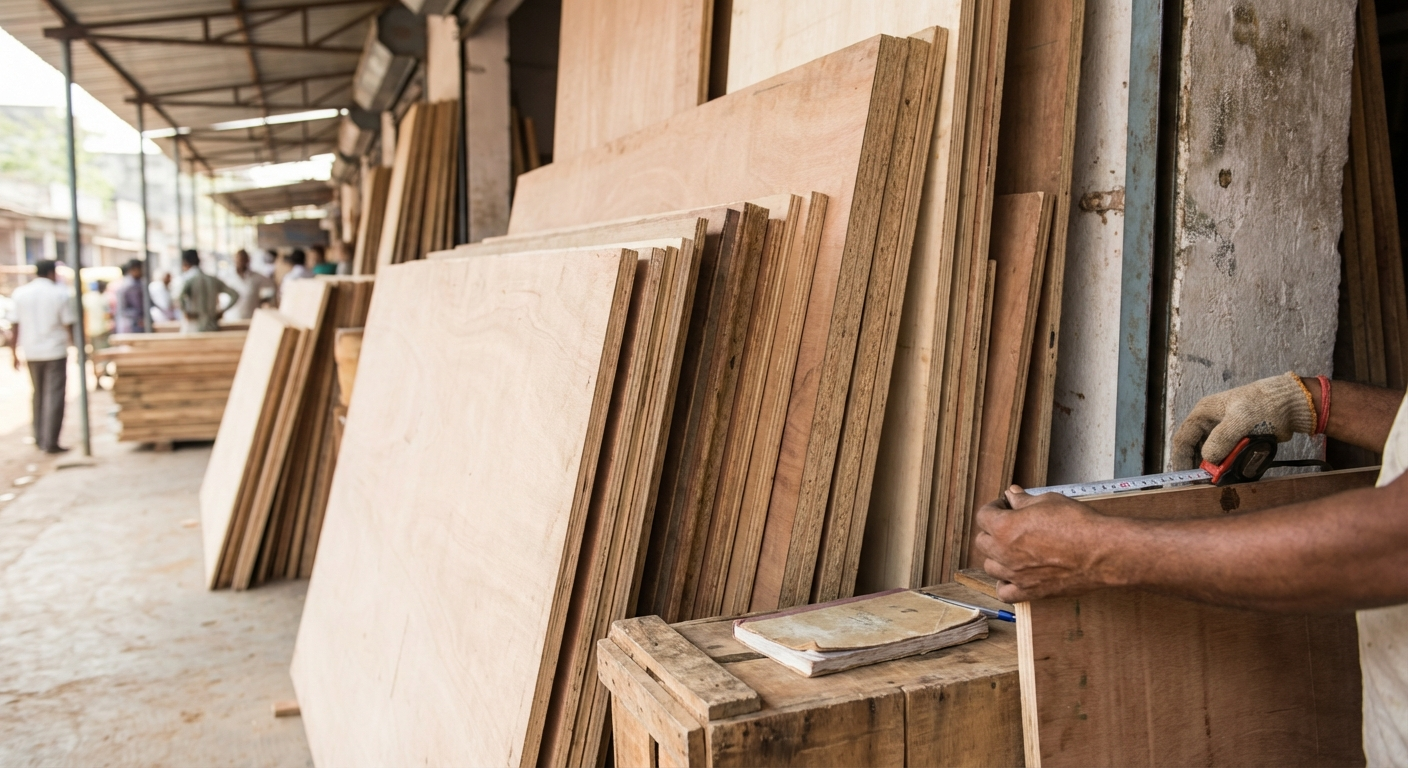
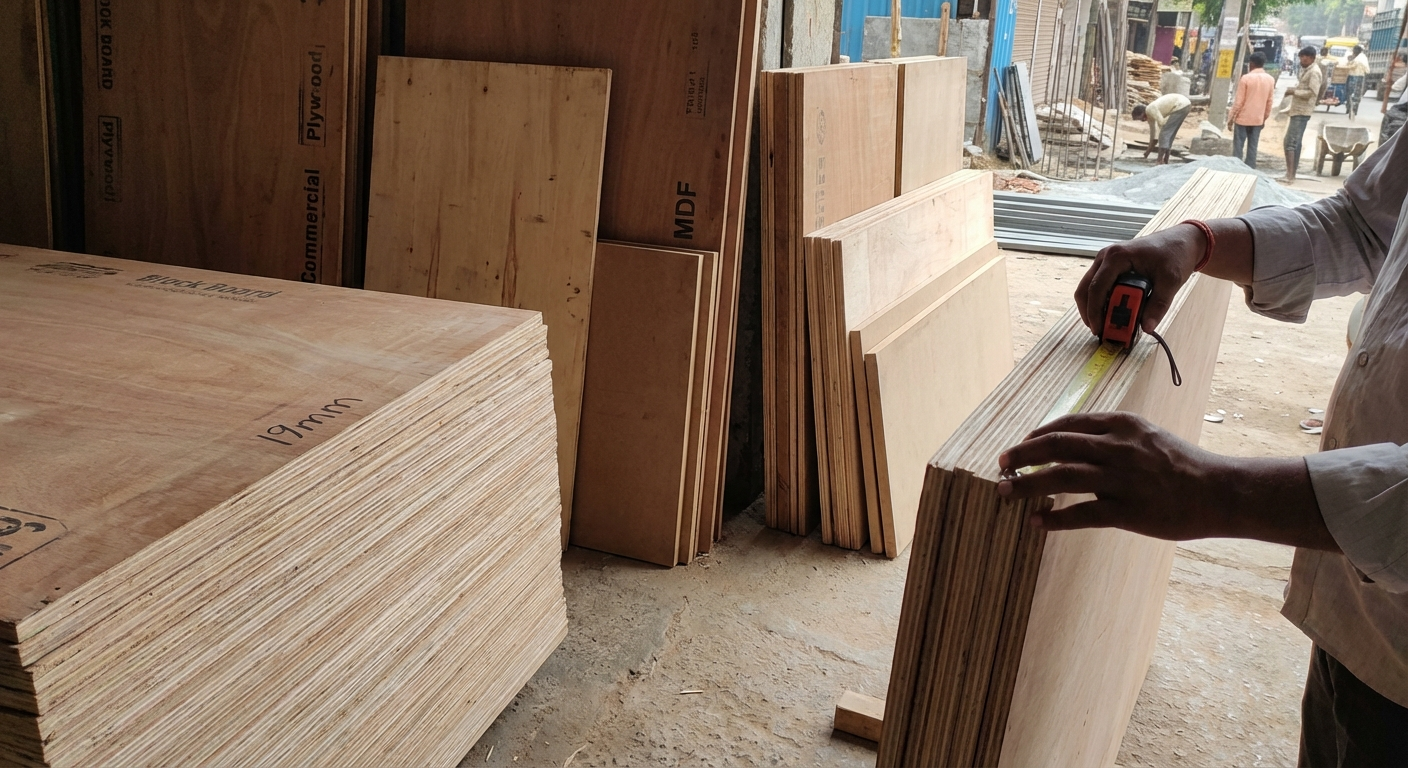
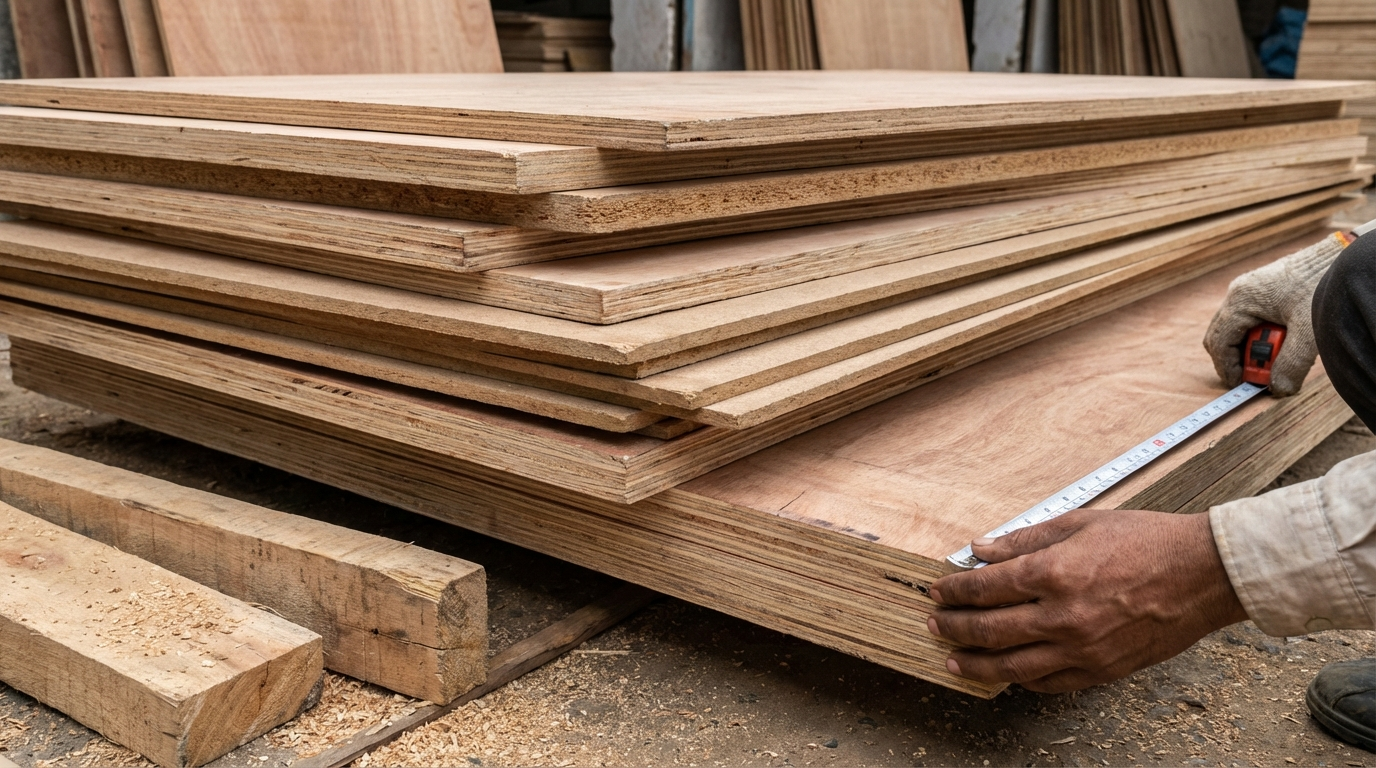
Plywood prices in Mangalore reflect coastal humidity, frequent monsoons and port-linked timber supply, which is why BWP dominates local purchases even though it costs more than MR or BWR. Raw material costs for gurjan, eucalyptus and rubberwood move with imports and Western Ghats plantations.
Last updated: . National price benchmark and BIS grade details checked; local rates are indicative.
Key Factors Shaping Plywood Prices in Mangalore
Mangalore's plywood market reflects its unique position as a coastal hub in Karnataka's Dakshina Kannada district. High humidity levels, frequent monsoons, and proximity to the New Mangalore Port influence both supply chains and demand patterns. Raw material costs—primarily hardwood like gurjan, eucalyptus, or rubberwood—fluctuate with global timber imports, local sourcing from Western Ghats plantations, and logistics via NH-66 or port shipments.
Buyer segments drive pricing logic differently: homeowners prioritize interior-grade options for modular kitchens or wardrobes, while contractors handling commercial projects or coastal renovations lean toward moisture-resistant grades. Dealer margins add 10-20% over wholesale rates, with retail prices peaking during peak construction seasons like post-monsoon (October-March). Economic pressures, such as fuel surcharges and adhesive resin imports, push entry-level prices higher than inland cities like Bengaluru, but bulk marine-grade deals remain competitive due to port access.
Core drivers include:
- Grade and Bonding: MR (moisture-resistant) uses urea-formaldehyde for basic interiors; BWR (boiling water-resistant) employs phenolic resins for semi-wet areas; BWP (boiling water-proof, IS:303, or IS:710 for marine) offers full immersion resistance for marine or high-humidity use.
- Thickness and Density: Common 6-25mm sheets; denser cores (600-700 kg/cum) command premiums.
- Core Composition: Softwood cores cheaper but prone to swelling; hardwood or poplar mixes balance cost and strength.
- Local Demand: 40-50% of sales skew toward BWP/marine due to salty air corrosion risks in homes near Panambur Beach or port warehouses.
Current Price Ranges Across Plywood Grades and Thicknesses
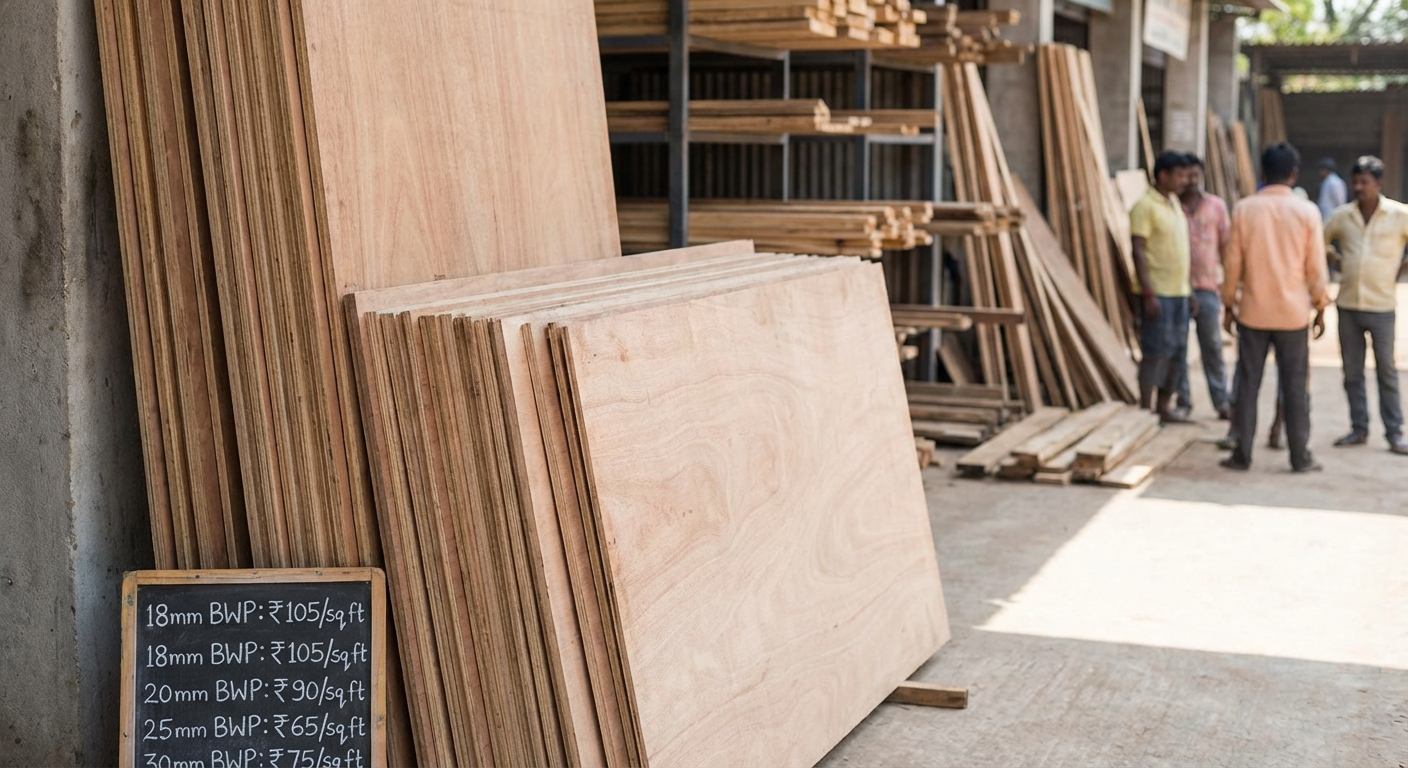
Mangalore prices for premium grades often sit above national averages, reflecting freight and humidity-driven demand. Entry-level commercial plywood starts lower for dry interiors, while marine options reflect superior glue lines and face veneers. These ranges account for standard 8x4 ft (2440x1220mm) sheets, quoted per square foot for easy scaling—multiply by 32 sq ft per sheet.
| Type/Grade | Thickness (mm) | Price Range (₹/sq ft) | Typical Applications in Mangalore |
|---|---|---|---|
| MR Commercial | 6-9 | 35-55 | Wardrobes, partitions in low-moisture homes |
| MR Commercial | 12-18 | 45-75 | Basic furniture, false ceilings |
| BWR Waterproof | 12-18 | 65-105 | Kitchens, bathrooms in apartments |
| BWP Marine | 12-18 | 85-140 | Coastal exteriors, boat repairs, high-rises |
| Shuttering/Construction | 12-20 | 40-70 | Concrete formwork in ongoing projects |
| Blockboard (Alternative) | 18-25 | 70-120 | Doors, heavy cabinets where screw-holding matters |
2026 national benchmark: in October 2026, 18-19mm plywood cost about ₹45-80 per sq ft for local MR, ₹45-85 for local BWR and ₹78-113 for local BWP across India, and about ₹85-130, ₹95-160 and ₹120-175 for branded sheets. CenturyPly lists Sainik 710 at ₹122 per sq ft including GST, the same in every city. Local quotes can sit above or below these bands; see plywood price in India for thickness and brand rates.
Note: Wholesale rates 15-25% below retail; branded adds 10-20%. Prices exclude GST (18%) and transport. Verify with dealers as wood shortages can spike ranges by 10-15% quarterly.
Mangalore's Local Market Dynamics and Dealer Ecosystem
Mangalore's plywood trade clusters around Bunder, Kankanady, and Bejai areas, with wholesalers sourcing from Baikampady industrial zones or direct from mills in Kerala and Goa. Port proximity cuts marine plywood lead times to 2-3 days versus 7-10 inland, stabilizing premium supplies. Key hubs include:
- Bunder Wholesale Markets: High-volume dealers offering unbranded MR/BWR at base rates; ideal for contractors buying 50+ sheets.
- Kankanady Retail Chains: Branded outlets with cut-to-size services; homeowners pay slight premiums for delivery to suburbs like Kadri or Surathkal.
- Industrial Suppliers near Panambur: Focus on BWP for shipyards and warehouses; bulk discounts up to 20% for verified projects.
Dealer networks like those handling Greenply, Duroply, or local Kanara Woods emphasize ISI-bis certification (IS:303 for MR, BWR and BWP; IS:710 for marine). Unorganized players undercut by 10-15% but risk inconsistent boiling tests—critical in Mangalore's 80-90% monsoon humidity.
Climate-Driven Choices: Why BWP Dominates Mangalore Purchases
Mangalore's tropical climate (average 3,500mm annual rain, 28-32°C year-round) accelerates plywood delamination if low-grade. Homeowners in flood-prone areas like Jeppu face warping within 6-12 months using MR; contractors on port expansions specify BWP to meet 72-hour boil tests under IS norms.
Decision logic:
- Home Interiors: BWR suffices for enclosed wardrobes (saves 20-30% vs BWP); pair with laminates for veneer protection.
- Commercial/Renovations: BWP essential for kitchens or balconies; expect 2-3x lifespan in salty air.
- Alternatives like HDHMR: Emerging for humidity (₹80-130/sq ft, 18mm); lighter but less screw-hold than plywood.
First-principles: Glue line strength (phenolic vs urea) determines 70% of coastal durability; ignore "waterproof" labels without BIS stamps.
Thickness, Size, and Customization Cost Breakdown
Standard 8x4 ft dominates (32 sq ft), but Mangalore carpenters request 7x4 ft for doors or cut pieces, adding ₹5-10/sq ft labor. Thicker sheets (19-25mm) suit structural doors, costing 20-40% more per sq ft due to core plies.
| Thickness (mm) | MR Range (₹/sq ft) | BWP Range (₹/sq ft) | Load-Bearing Insight |
|---|---|---|---|
| 6-9 | 35-55 | 60-90 | Partitions; avoid heavy loads |
| 12 | 50-70 | 80-110 | Furniture bases |
| 18 | 60-85 | 95-140 | Standard cabinets; 120-150kg/sq m safe |
| 25+ | 80-110 | 120-160 | Doors, beams |
Customization (veneers, grooves) adds 15-25%; bulk orders (100+ sheets) yield free polishing or transport within 20km.
Retail vs Wholesale vs Contractor Pricing Realities
Homeowners face 20-30% retail premiums at neighborhood shops; contractors negotiate 15-25% off via direct mill ties. Example scenario: A 500 sq ft kitchen uses 20 sheets (18mm BWR)—retail ₹1.5-2 lakh total; wholesale drops to ₹1.2-1.6 lakh.
- Homeowner Tip: Buy from Kankanady showrooms for warranties; avoid roadside unbranded.
- Contractor Strategy: Source from Baikampady wholesalers; verify glue via edge tap test (hollow = poor).
- Dealer Variations: Branded (e.g., national players) 10-20% higher but with lab-tested emissions; locals cheaper for non-critical use.
Quality Verification and ISI Norms in Practice
Indian Standards Institute (ISI) marks ensure glue shear strength: IS:303 (MR, BWR, BWP), IS:710 (marine). Mangalore buyers test via:
- Moisture Meter: Under 12% ideal; coastal storage risks 15%+.
- Knife Test: Core shouldn't crumble; face veneer uniform.
- Boil Test: BWP survives 72 hours delamination-free (dealer demos common).
Unmarked or fake-ISI sheets cannot legally be sold and can fail in 1-2 monsoons, costing 2x in repairs.
Seasonal Trends and Economic Influences
Post-Diwali (Nov-Dec) sees 10-15% hikes from construction rush; monsoons stabilize via indoor demand. 2026 factors: resin chemical costs rose sharply in March and April; CenturyPly raised plywood prices by about 7% and Greenply by about 4-5%. Compare to Bengaluru (5-10% lower due to drier climate) or Mumbai (similar coastal premiums).
Strategic Buying Advice for Mangalore Buyers
Align choices to use case:
- Budget Home Reno: 12-18mm MR/BWR; total ₹40-60/sq ft installed.
- Coastal Villa: 18mm BWP; invest upfront for 15-20 year life.
- Project Bulk: Mix grades—MR interiors, BWP wet zones; negotiate 10% credit terms.
Steps: 1) Match grade to exposure (humidity map your site). 2) Get 3 quotes, check BIS holograms. 3) Factor 5-10% buffer for wastage. 4) Pair with termite oil for extra coastal protection.
Alternatives to Traditional Plywood in Mangalore
HDHMR (₹70-120/sq ft) resists humidity better than MR without BWP cost; MDF for carvings (₹50-90) but swells faster. Blockboards for flush doors where flatness trumps water resistance.
Navigating Bulk Purchases and Negotiations
Wholesalers offer tiered discounts: 5% (10 sheets), 15% (50+), 20-25% (200+). Coastal logistics favor rail/port over road; time buys for off-peak (April-June).
Related guides on PlyPrice
Want Plywood Suggestions?
Share a few details and a PlyPrice specialist will suggest suitable brands and connect you to responsive dealers.